
What Is the Best Flat Roof Material for Orlando Homes?
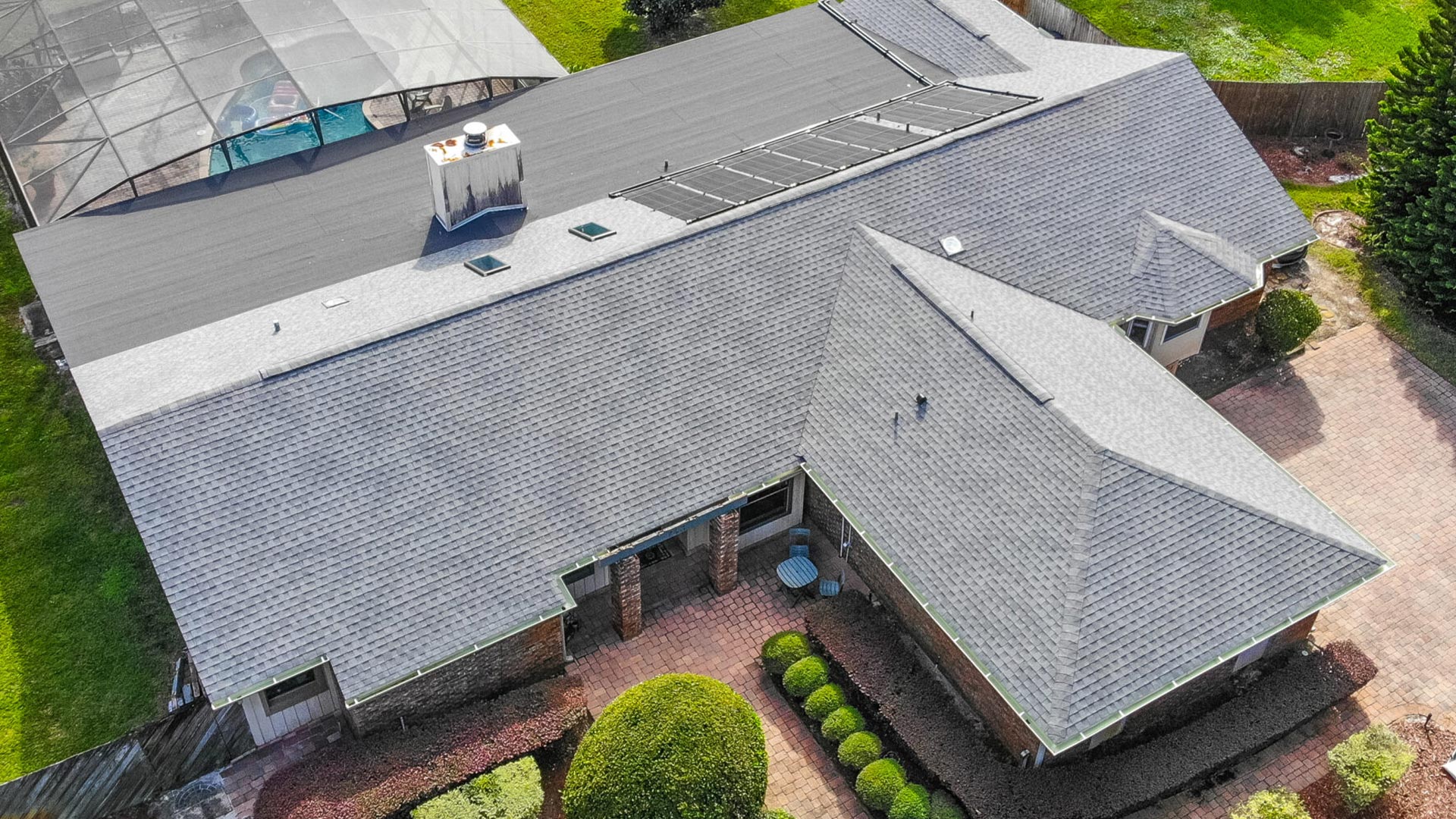
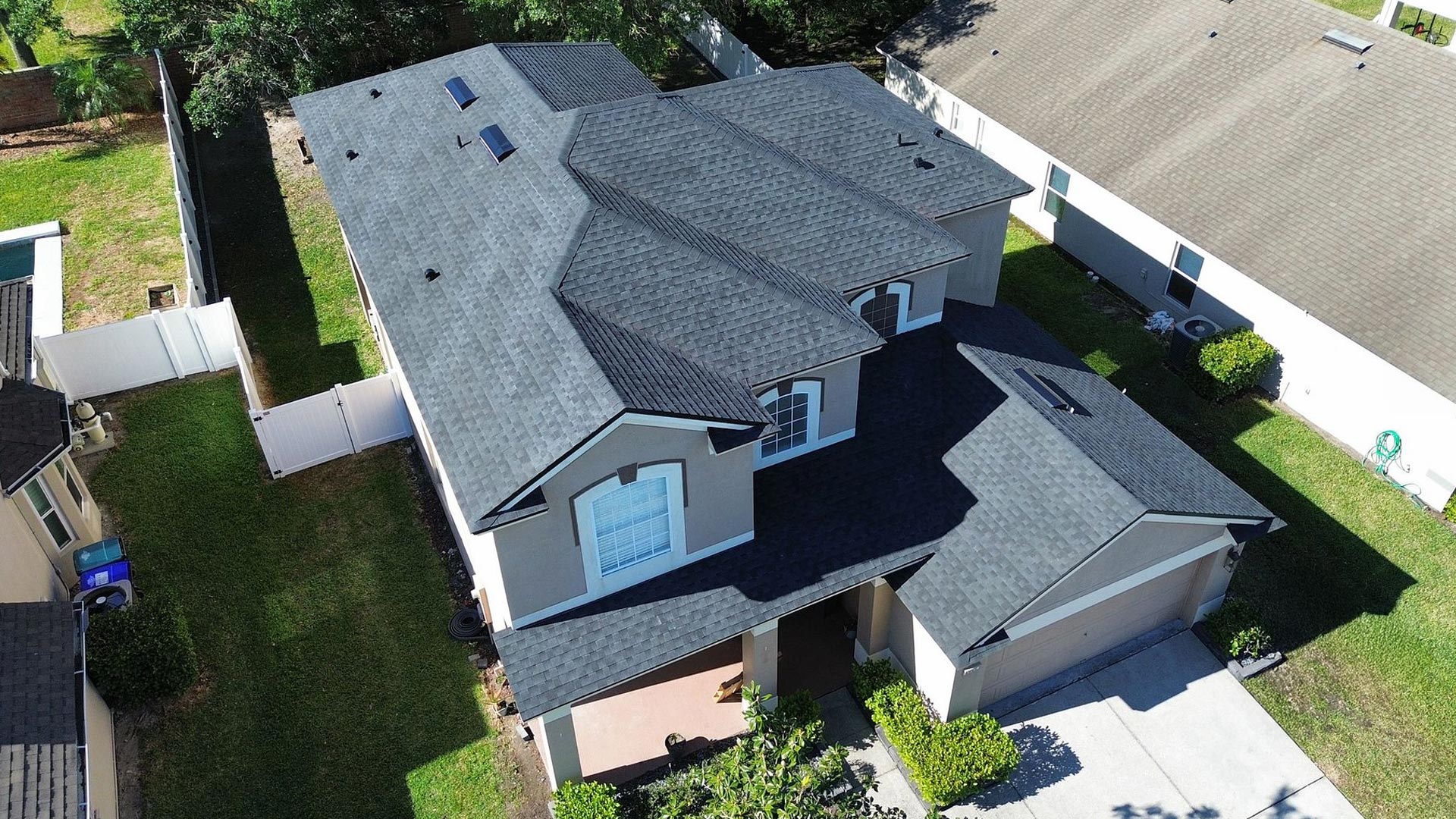
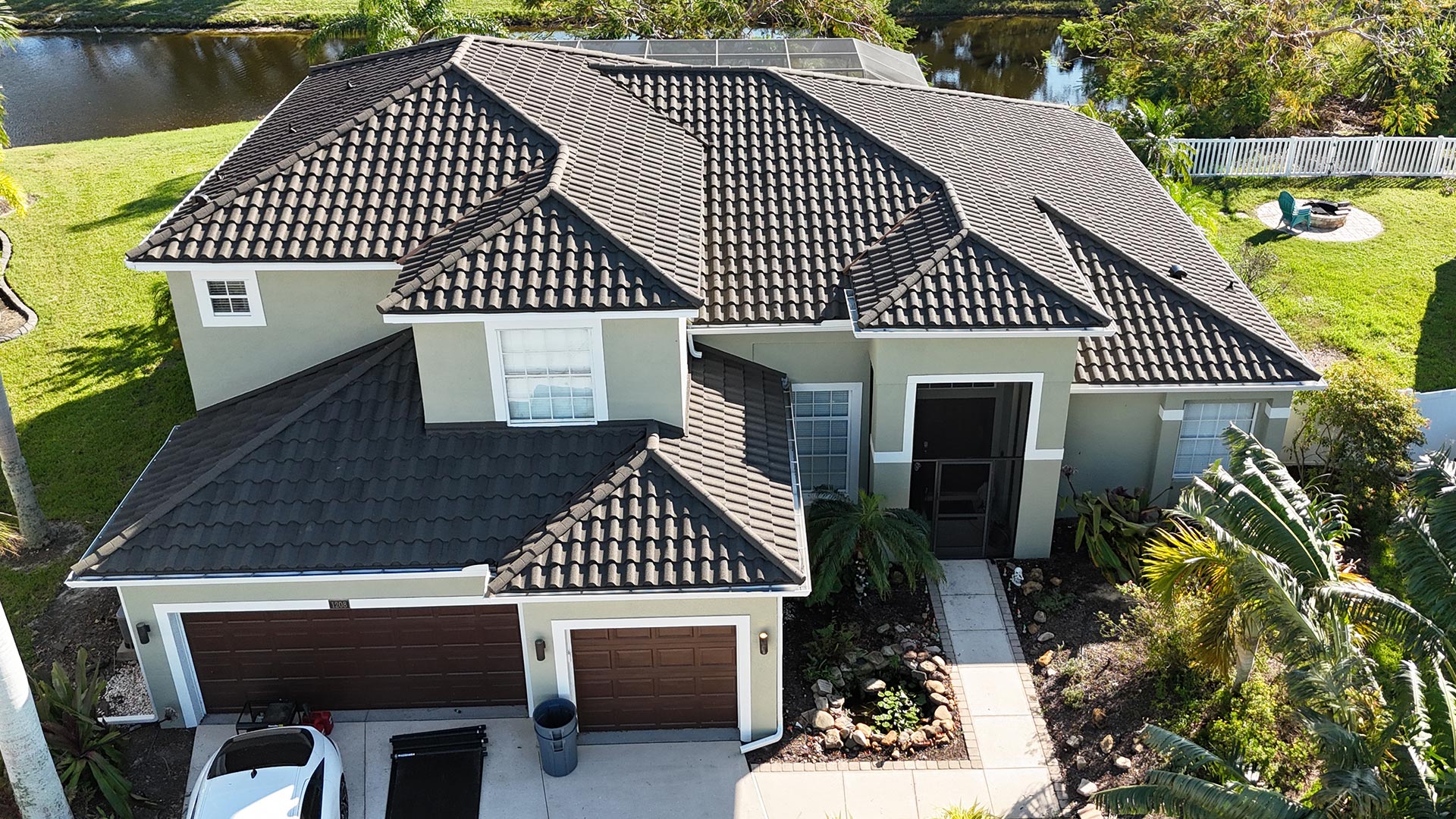
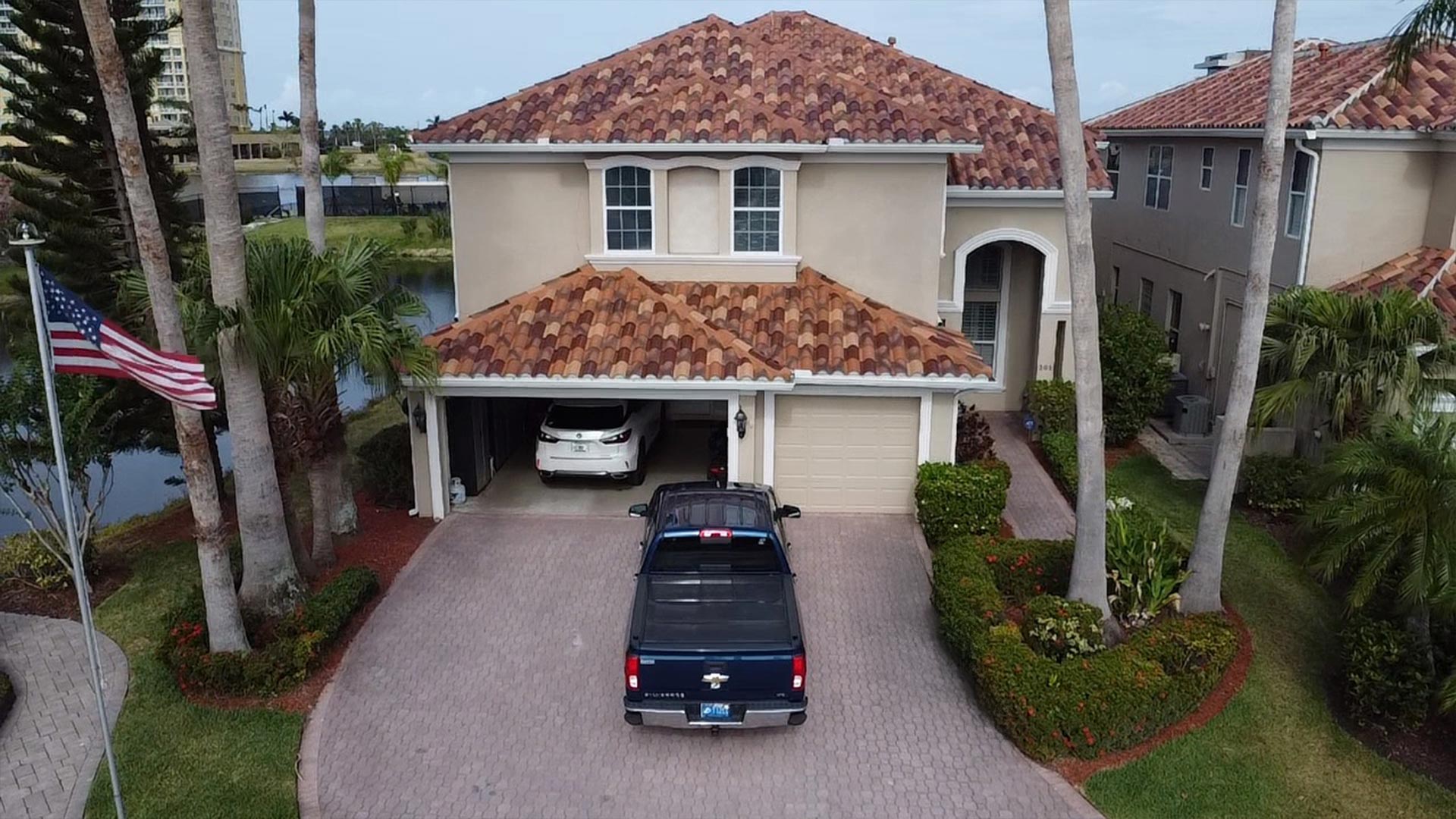
TPO (thermoplastic polyolefin) is the best flat roof material for most Orlando homes and additions, offering strong UV resistance, energy-efficient reflectivity, and a 20 to 30-year lifespan at a competitive installed price of $5.50 to $9.00 per square foot [1]. EPDM rubber membrane and modified bitumen are also viable options depending on your budget, sun exposure, and how the flat roof section is used. Many Orlando homes are not entirely flat-roofed — they have a flat or low-slope section over a lanai, garage, room addition, or porch that requires a different material system than the main sloped roof above. Understanding the strengths and limitations of each flat roof material helps you make the right choice for your specific situation. Here is a complete comparison from 3MG Roofing & Solar in Orlando.
Why Do Flat Roofs Need Different Materials Than Sloped Roofs?
Flat and low-slope roofs — defined as roofs with a pitch of 2:12 or less — cannot shed water by gravity the way a steep-slope roof does [2]. Water moves across the surface slowly and can pond in low spots, which means the roofing membrane must be completely waterproof at every seam, penetration, and edge. Standard asphalt shingles are designed for steep-slope applications and will leak on a flat roof because they rely on gravity and overlap rather than sealed seams to keep water out. Flat roof systems use continuous membranes that are either heat-welded, glued, or torched at every seam to create a monolithic waterproof surface. In Orlando, these membranes must also withstand extreme UV exposure, high temperatures, heavy seasonal rainfall, and occasional hurricane-force winds — making material selection especially important.
How Does TPO Roofing Perform in Orlando?
TPO is a single-ply thermoplastic membrane that has become the most widely installed flat roofing material in Florida over the past decade [1]. Its white or light-colored reflective surface bounces solar radiation rather than absorbing it, which significantly reduces cooling costs in Orlando’s eight-to-ten-month air conditioning season. Independent testing shows that reflective TPO membranes can reduce roof surface temperatures by 50 to 60 degrees Fahrenheit compared to dark-colored alternatives, translating to meaningful energy savings for the conditioned space below [3].
TPO membranes are heat-welded at the seams using hot-air welding equipment, creating a bond that is actually stronger than the membrane itself. This means seam failure — the most common point of failure on flat roofs — is virtually eliminated when the installation is performed correctly by an experienced crew. TPO also resists mold, algae growth, punctures, and chemical exposure, making it well-suited for Central Florida’s humid, demanding environment. The material typically lasts 20 to 30 years with proper installation and maintenance, and most manufacturers offer 15 to 20-year warranties on their premium TPO products.
What Does TPO Cost for an Orlando Flat Roof?
Installed TPO costs $5.50 to $9.00 per square foot in Orlando, depending on membrane thickness (60-mil vs 80-mil), insulation requirements, and roof access complexity [1]. For a typical 500-square-foot flat roof section over a Florida room or lanai, that translates to approximately $2,750 to $4,500 fully installed. Thicker 80-mil TPO costs more upfront but offers greater puncture resistance and longer service life — a worthwhile upgrade if the flat section is accessible for foot traffic or has rooftop HVAC equipment. For a complete breakdown of roofing costs by material type, see our Orlando roof replacement cost guide.
Is EPDM a Good Choice for Orlando Flat Roofs?
EPDM (ethylene propylene diene monomer) is a synthetic rubber membrane with one of the longest performance track records in the flat roofing industry. Properly installed EPDM roofs have documented service lives of 30 to 50 years, making it the most durable flat roof option available [4]. The material is extremely flexible, which allows it to accommodate building movement and thermal expansion without cracking — a significant advantage in Florida’s daily temperature swings. EPDM also maintains its performance characteristics across a wide temperature range, resists ozone and UV degradation, and is one of the easiest flat roof membranes to repair if punctured.
The primary drawback of standard black EPDM in Orlando is heat absorption. A black rubber membrane on a sun-exposed flat roof can reach surface temperatures of 150 to 170 degrees Fahrenheit on a summer afternoon, increasing the cooling load for the space below. White EPDM formulations are available and provide reflective performance closer to TPO, but they cost more and are less commonly stocked by distributors. EPDM is an excellent choice for flat roof sections that are shaded by an upper-story overhang, covered by a porch structure, or located on the north-facing side of the building where direct sun exposure is limited.
What Does EPDM Cost for an Orlando Flat Roof?
Installed EPDM costs $5.00 to $8.00 per square foot in Orlando, making it slightly less expensive than TPO in most applications [4]. For the same 500-square-foot flat roof section, expect $2,500 to $4,000 fully installed. EPDM seams are bonded with adhesive or seam tape rather than heat-welded, which makes the seams more vulnerable to failure over time compared to TPO’s welded seams. Seam integrity should be checked during annual inspections, and resealing is a straightforward maintenance task that extends the system’s life.
When Should You Choose Modified Bitumen for a Flat Roof?
Modified bitumen is a multi-layer asphalt-based roofing system that is applied using either a torch, hot asphalt, cold adhesive, or self-adhering sheets. It costs $4.00 to $8.00 per square foot installed and lasts 15 to 20 years in Florida conditions [2]. Modified bitumen’s key advantage is durability under foot traffic — the multi-layer construction and granulated cap sheet resist scuffing, punctures, and compression better than single-ply TPO or EPDM. This makes modified bitumen the best choice for flat roof sections that require regular access for HVAC maintenance, satellite equipment service, or other rooftop activities.
The trade-off is a shorter lifespan and lower reflectivity compared to TPO. Standard modified bitumen absorbs heat similarly to black EPDM, though reflective aluminum or white granule coatings can be applied to improve energy performance. Modified bitumen also requires more skilled installation than TPO or EPDM, particularly when torch-applied, and the installation process creates fire risk that must be managed by an experienced crew. Cold-applied and self-adhering modified bitumen products eliminate the fire risk but may have slightly lower seam performance in extreme heat.
How Do TPO, EPDM, and Modified Bitumen Compare?
| Feature | TPO | EPDM | Modified Bitumen |
|---|---|---|---|
| Installed cost (per sq ft) | $5.50 – $9.00 | $5.00 – $8.00 | $4.00 – $8.00 |
| Lifespan (Orlando climate) | 20 – 30 years | 30 – 50 years | 15 – 20 years |
| Energy efficiency | Excellent (reflective white) | Poor (black) / Good (white) | Moderate (with coating) |
| Seam method | Heat-welded (strongest) | Adhesive / tape | Torch, adhesive, or self-adhering |
| Foot traffic resistance | Moderate | Moderate | Excellent |
| Puncture resistance | Good (80-mil) | Good | Excellent (multi-layer) |
| UV resistance | Excellent | Excellent | Good (with coating) |
| Best application | Sun-exposed flat sections | Shaded flat sections | High-traffic / HVAC access areas |
What Maintenance Do Flat Roofs Require in Orlando?
Flat roofs in Orlando require more active maintenance than sloped roofs because water does not drain by gravity as quickly and debris tends to accumulate rather than slide off. At minimum, flat roofs should be inspected twice per year — once before hurricane season in May and once after in November — and after every significant storm event. During inspections, check for ponding water that has not drained within 48 hours, debris accumulation blocking drains or scuppers, membrane punctures or tears from wind-driven debris, seam separation or lifting at edges and penetrations, and clogged or slow-draining roof drains. Clearing debris and ensuring unobstructed drainage are the two most important maintenance tasks for extending the life of any flat roof system in Florida. Most flat roof failures in Orlando trace back to neglected drainage rather than membrane failure [2].
Can You Install a Flat Roof Over an Existing One in Orlando?
Florida Building Code allows one layer of new flat roofing material to be installed over an existing single layer in some circumstances, but this approach has limitations [2]. The existing membrane must be in reasonably good condition with no trapped moisture in the insulation below, and the total weight of the combined system must not exceed the structural capacity of the roof deck. In most cases, 3MG Roofing & Solar recommends full tear-off and replacement rather than overlay, because removing the old membrane allows us to inspect the deck for hidden damage, replace deteriorated insulation, and ensure proper slope for drainage. An overlay may cost less upfront but can mask underlying problems that shorten the new membrane’s life.
Frequently Asked Questions
Can a flat roof handle Orlando’s heavy rain?
Yes, when properly installed with correct drainage design. Flat roofs are not truly flat — they are built with a slight slope, typically a minimum of one-quarter inch per foot, to direct water toward internal drains, scuppers, or gutters [2]. The membrane system provides a continuous waterproof barrier, and the slope ensures water moves off the surface rather than ponding. Ponding water — defined as water that remains on the roof for more than 48 hours after rain — is the primary enemy of flat roof longevity and must be addressed through proper drainage design during installation.
How long does a flat roof last in Florida?
In Central Florida’s climate, TPO typically lasts 20 to 30 years, EPDM lasts 30 to 50 years, and modified bitumen lasts 15 to 20 years [1][4]. These ranges assume professional installation by a licensed roofing contractor, proper drainage design, and regular maintenance inspections. Neglected flat roofs can fail in as little as 8 to 10 years regardless of the membrane quality.
Do flat roofs need more maintenance than sloped roofs?
Yes. Flat roofs should be inspected at least twice per year and after every major storm. The primary maintenance tasks are clearing debris from drains and scuppers, checking for ponding water, and inspecting seams and penetrations for separation or damage. This maintenance takes 30 minutes to an hour per inspection and dramatically extends the roof’s service life. Many Orlando roofing companies offer annual maintenance programs for flat roof systems.
Is TPO or EPDM better for a Florida room addition in Orlando?
For a sun-exposed Florida room or lanai addition, TPO is the better choice because its reflective white surface reduces cooling costs and keeps the space below more comfortable. If the flat section is shaded by an upper-story overhang or covered porch, EPDM provides superior longevity at a lower cost since the heat-absorption drawback is neutralized by shade. Your contractor can recommend the optimal material based on a site assessment of your specific roof’s sun exposure and use requirements.
Can I put solar panels on a flat roof in Orlando?
Yes. Flat roofs are actually well-suited for solar panel installation because the panels can be angled on racking systems to optimize solar capture regardless of the roof’s orientation. TPO and EPDM membranes both accommodate solar racking with proper penetration flashing. If you are planning a flat roof replacement and considering solar, coordinate both projects with a full-service contractor like 3MG Roofing & Solar to ensure the membrane, flashing, and racking are installed as an integrated system. For a broader look at roofing material options including sloped-roof products, see our Orlando roofing materials comparison guide.
What is the biggest cause of flat roof failure in Orlando?
Neglected drainage is the number-one cause of premature flat roof failure in Central Florida [2]. When drains, scuppers, or gutters become clogged with leaves, debris, or algae, water ponds on the membrane surface. Prolonged ponding degrades the membrane, adds structural weight, and eventually leads to leaks. The second most common cause is improper seam installation — particularly on adhesive-bonded EPDM systems where seam tape can separate over time if not properly applied. Both failure modes are preventable with professional installation and routine maintenance.
References
- SPRI (Single Ply Roofing Industry). “TPO Roofing Membrane Systems — Performance and Installation Standards.” spri.org
- National Roofing Contractors Association (NRCA). “Low-Slope Roofing Systems — Materials, Drainage, and Code Requirements.” nrca.net
- U.S. Department of Energy. “Cool Roofs — Reflective Roofing Materials and Energy Savings.” energy.gov
- EPDM Roofing Association (ERA). “EPDM Membrane Proven Performance and Longevity Data.” epdmroofs.org
Written by the licensed roofing professionals at 3MG Roofing & Solar — Orlando, FL. Updated February 2026.