
What Roofing Materials Are Trending in Orlando in 2026?
Three major trends are reshaping Orlando’s residential roofing market in 2026: accelerating adoption of metal roofing driven by insurance savings and hurricane protection, growing demand for impact-resistant shingles that qualify for premium discounts, and renewed interest in tile roofing as a long-term hedge against rising material costs [1]. These shifts are not happening in isolation — they are interconnected responses to Florida’s evolving insurance landscape, increasingly severe storm seasons, and homeowners’ growing awareness that the cheapest upfront option often costs the most over time. Here is what is driving each trend and what it means for Orlando homeowners planning a roof replacement this year, from the team at 3MG Roofing & Solar.
Why Are More Orlando Homeowners Choosing Metal Roofing?
Metal roofing installations in Central Florida have grown significantly over the past three years as homeowners prioritize hurricane resilience, insurance savings, and long-term value over the lower upfront cost of asphalt shingles. The numbers behind the shift are compelling: standing-seam and stone-coated metal roofs carry wind ratings of 140 to 160+ mph, lifespans of 40 to 70 years, energy savings of 10 to 25 percent on cooling costs, and insurance premium reductions of 15 to 35 percent when paired with a favorable Wind Mitigation Inspection [1][2]. When you model the total cost of ownership over 30 years — factoring in one metal roof versus two or three shingle replacement cycles plus the cumulative insurance savings — metal often costs less than shingles over the life of the home.
The aesthetic barrier that historically slowed residential metal adoption has also disappeared. Modern metal roofing products replicate the look of barrel tile, flat tile, cedar shake, and architectural shingles so convincingly that many homeowners and HOA committees cannot distinguish them from the traditional materials at street level. This has led many Orlando and Winter Park HOAs to update their architectural guidelines to approve metal profiles that match the community’s existing aesthetic [3]. If your HOA previously denied a metal roof request, it may be worth resubmitting with current product samples — the industry has evolved rapidly. For a detailed comparison of all roofing materials available in Orlando, including metal options, see our materials guide.
Why Are Impact-Resistant Shingles Becoming Standard in Orlando?
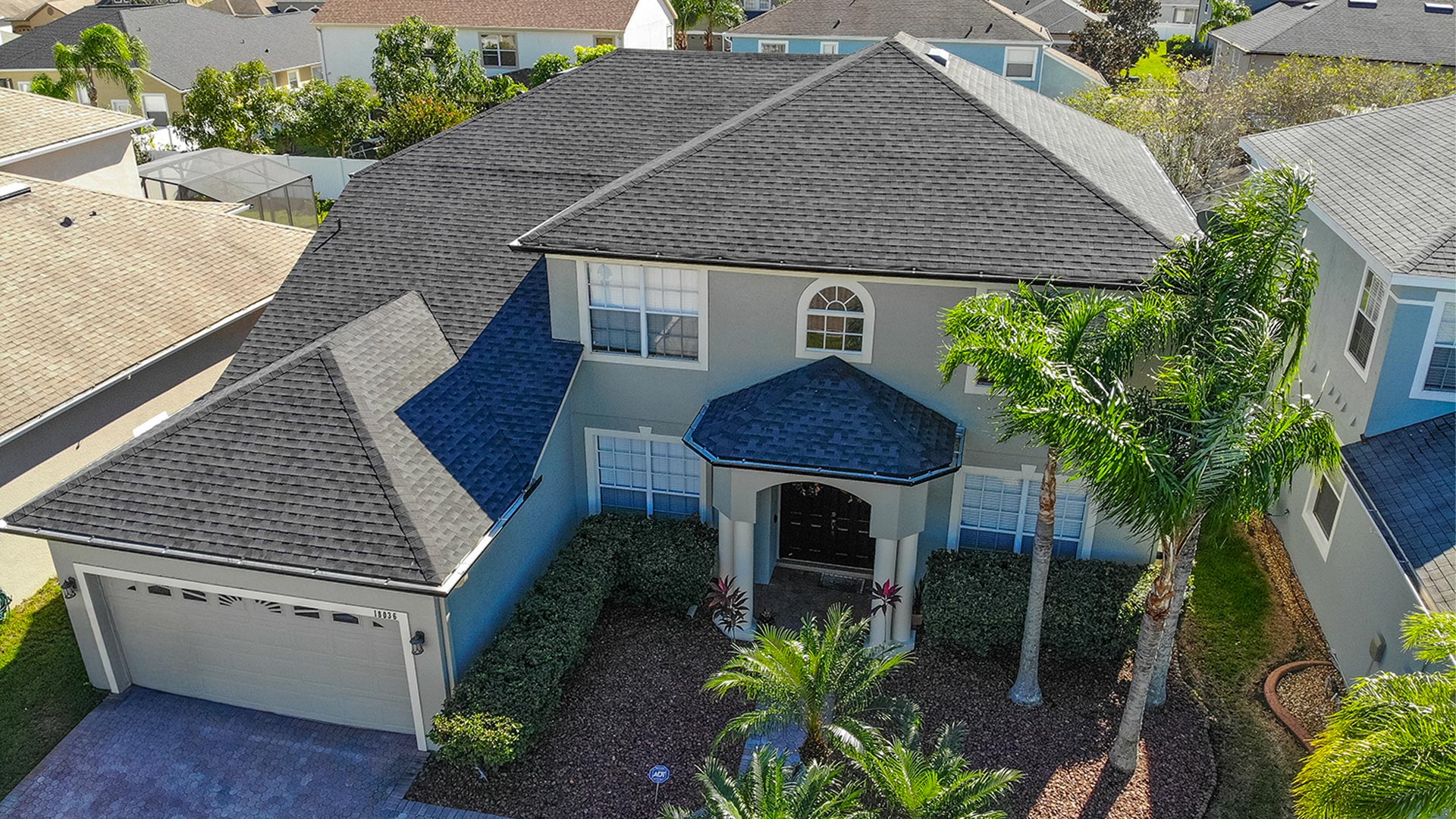
Class 4 impact-resistant shingles — rated to withstand the impact of a two-inch steel ball dropped from 20 feet per UL 2218 testing — have moved from a premium upgrade to nearly standard specification in new Orlando roof installations [4]. Florida’s volatile homeowners insurance market is the primary driver. Carriers are pricing standard (non-impact-rated) roofing policies significantly higher than impact-rated alternatives, and some carriers are making impact resistance a practical prerequisite for coverage at competitive rates.
The economics work strongly in the homeowner’s favor. Impact-resistant shingles typically cost 15 to 25 percent more than standard architectural shingles of the same manufacturer and product line. On a $15,000 roof replacement, that premium amounts to roughly $2,250 to $3,750. But the insurance premium reductions from a qualifying impact-resistant roof — combined with other Wind Mitigation credits — often save $500 to $1,500 per year, meaning the upgrade pays for itself within two to four years of installation [2]. After that break-even point, every year of insurance savings is pure return on your investment. As Florida insurers continue tightening underwriting standards, impact-resistant roofing is becoming less of an optional upgrade and more of a financial necessity for affordable coverage.
Which Impact-Resistant Shingles Are Most Popular in Orlando?
The most commonly installed Class 4 shingles in Central Florida include GAF Timberline HDZ (with LayerLock technology), Owens Corning Duration FLEX, and CertainTeed Landmark IR. All three carry UL 2218 Class 4 impact ratings and meet Florida Building Code requirements for the High-Velocity Hurricane Zone. The choice between brands typically comes down to your contractor’s certification level — a GAF Master Elite contractor can offer enhanced GAF warranty coverage, while an Owens Corning Platinum Preferred contractor unlocks the best Owens Corning warranty tier. Ask your contractor which manufacturer certification they hold, as this directly affects your warranty options.
Why Is Tile Roofing Making a Comeback in Orlando?
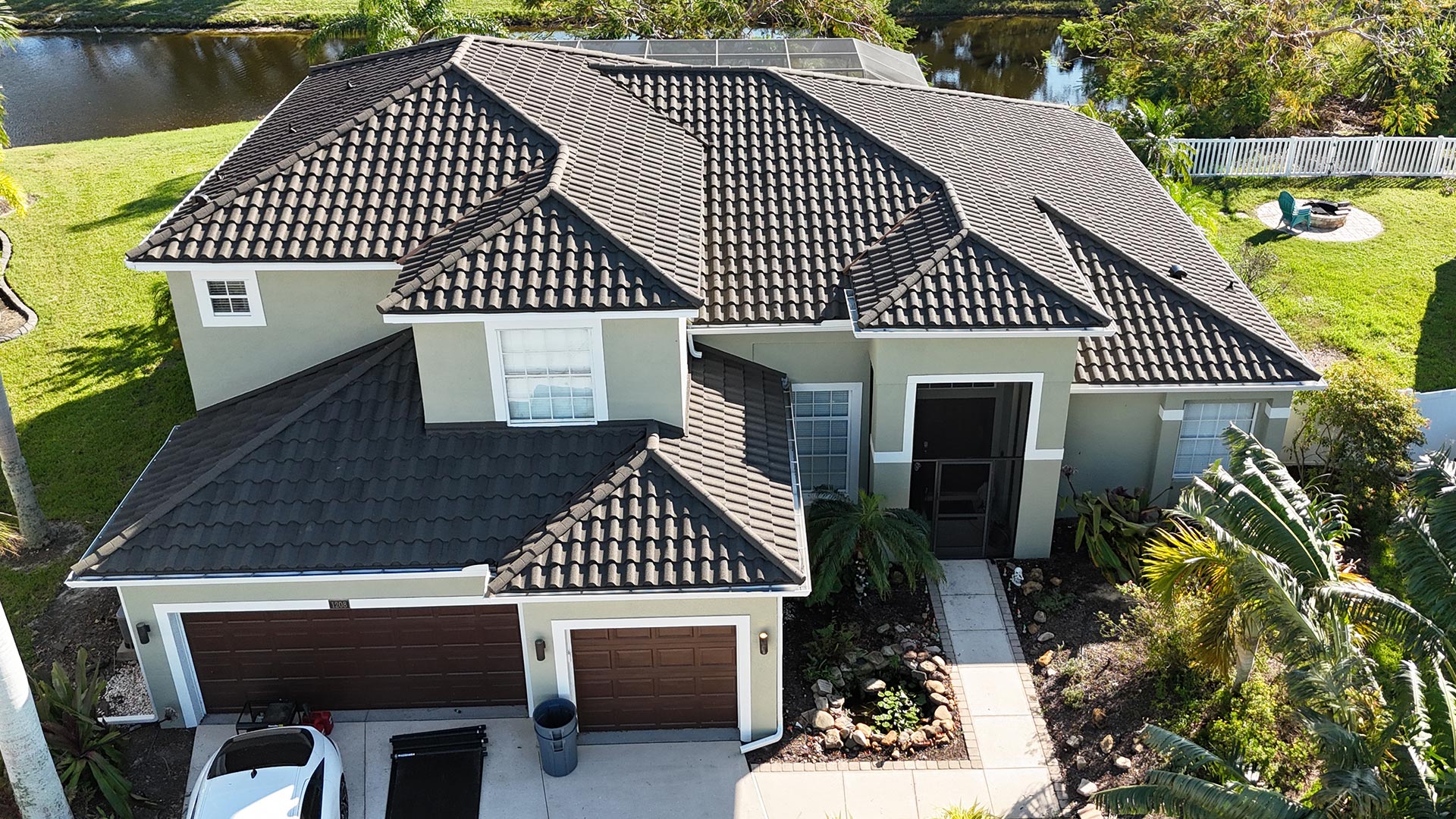
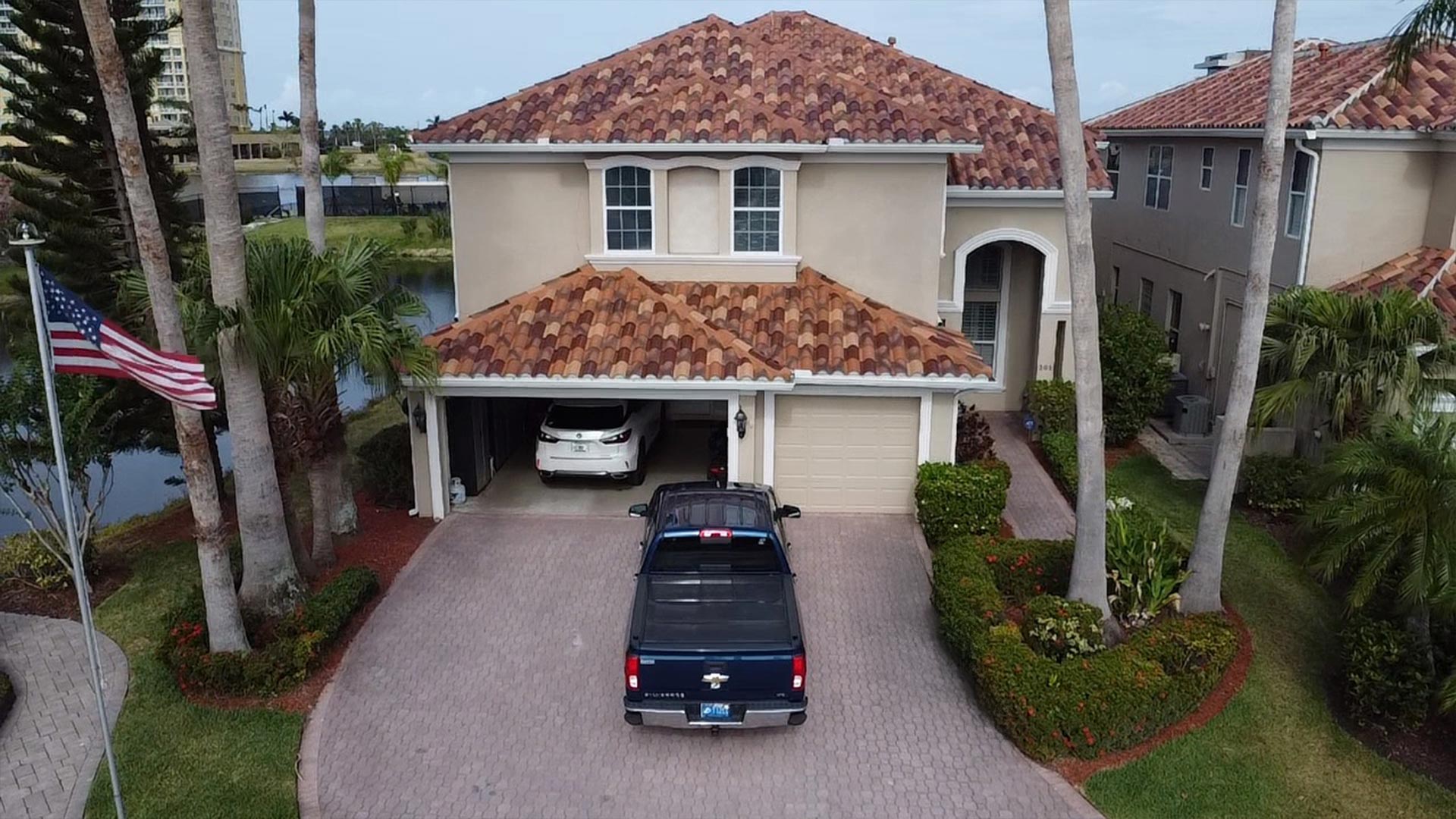
With roofing material costs rising steadily year over year and no indication of price relief on the horizon, more Orlando homeowners are viewing tile roofing as a one-time investment that outlasts multiple shingle replacement cycles. A concrete or clay tile roof installed in 2026 may still be performing in 2076 or beyond — a lifespan of 50 to 100 years that eliminates two to three full shingle replacement cycles and their associated future costs [5]. For homeowners who plan to stay in their Orlando or Winter Park home long-term, or who want to pass the property to the next generation without the burden of another major roof expense, tile’s upfront premium is increasingly viewed as inflation-protected cost savings rather than a luxury surcharge.
Tile also provides excellent hurricane performance. Concrete and clay tile roofs routinely achieve wind ratings of 150+ mph when properly installed with mechanical fastening systems that meet Florida’s current code requirements. The mass and profile of tile resist uplift forces more effectively than lightweight materials, and individual tiles can be replaced if damaged without requiring a full roof tear-off. The combination of longevity, storm performance, and insurance-favorable ratings makes tile one of the most financially rational choices for Orlando homeowners with a 20-plus-year ownership horizon.
| Factor | Metal Roofing | Impact-Resistant Shingles | Tile Roofing |
|---|---|---|---|
| Typical installed cost (2,000 sq ft) | $20,000 – $35,000 | $14,000 – $20,000 | $18,000 – $30,000 |
| Expected lifespan (Orlando) | 40 – 70 years | 20 – 30 years | 50 – 100 years |
| Wind rating | 140 – 160+ mph | 110 – 130 mph | 150+ mph |
| Insurance discount potential | High (15 – 35%) | Moderate to High (10 – 25%) | High (15 – 35%) |
| Energy efficiency | Excellent (reflective) | Standard to Good | Good (thermal mass) |
| HOA acceptance trend | Rapidly improving | Universally accepted | Required in many communities |
| Maintenance requirements | Very low | Low | Low to moderate |
| Best for | Long-term owners, max savings | Budget-conscious, selling in 5–15 yrs | HOA communities, generational homes |
Are Solar-Integrated Roofing Products Trending in Orlando?
Yes. Building-integrated photovoltaic (BIPV) products like GAF Timberline Solar Shingles, which 3MG Roofing & Solar installs, combine roofing and solar energy generation in a single system. These solar shingles replace conventional shingles on designated roof sections while generating electricity, eliminating the need for rack-mounted solar panels. The appeal for Orlando homeowners is twofold: the roof replacement and solar installation happen in one project with one contractor and one permit process, and the integrated aesthetic is significantly cleaner than traditional panel arrays. As electricity costs continue to rise and Florida net-metering policies evolve, solar-integrated roofing is gaining traction among homeowners who want both a new roof and energy independence without the visual tradeoff of conventional panels.
How Is Florida’s Insurance Market Driving Roofing Decisions?
Florida’s homeowners insurance market is arguably the single largest force shaping roofing material choices in 2026. Carriers have implemented aggressive pricing tiers based on roof age, material type, and wind-mitigation features, creating a financial environment where the roofing material you choose directly affects your annual insurance costs for the life of the roof [2]. Homes with roofs older than 15 years face surcharges, non-renewal notices, or outright coverage denials from many carriers. Homes with new, impact-rated or wind-resistant roofs qualify for substantial premium reductions that compound into thousands of dollars over a decade.
This insurance-driven dynamic has shifted the homeowner’s calculation from “what is the cheapest roof I can install?” to “what roof gives me the best combination of protection, insurability, and long-term cost?” That shift is precisely why metal, impact-resistant shingles, and tile are all gaining market share at the expense of standard non-impact-rated asphalt shingles. For a comprehensive guide to navigating Florida roof insurance claims and mitigation credits, see our insurance guide.
What Should Orlando Homeowners Consider When Choosing a 2026 Roof?
If you are planning a roof replacement in 2026, evaluate materials on total cost of ownership rather than installation price alone. Factor in the expected lifespan (how many times will you replace this roof over your ownership period?), insurance premium impact (request quotes from your carrier for each material option before deciding), energy savings (especially relevant for metal and light-colored tile), HOA compliance (confirm material approval before committing), and resale impact (match or exceed neighborhood standards). 3MG Roofing & Solar installs all three trending systems and can model the long-term cost comparison for your specific situation — including insurance estimates, energy projections, and financing options — during a free consultation. For detailed pricing by material type, see our Orlando roof replacement cost guide.
Frequently Asked Questions
Will insurance companies require impact-resistant roofing in Florida?
While not currently mandated by Florida law, many carriers are making impact-resistant roofing a practical requirement by pricing non-impact policies at rates that make them unaffordable relative to the cost of upgrading [2]. This trend is expected to continue as Florida’s insurance market remains under pressure from hurricane losses. Homeowners who install impact-rated materials now are positioning themselves ahead of potential future requirements.
Can I switch from shingles to metal in my HOA community?
Increasingly, yes. Many Orlando and Winter Park HOAs have updated their architectural guidelines to approve metal roofing profiles that replicate tile, shake, or shingle aesthetics [3]. Submit a formal inquiry to your HOA’s architectural review committee with current product samples and manufacturer spec sheets. Modern stone-coated steel and standing-seam profiles are significantly more realistic than the corrugated metal panels that HOAs historically rejected. For more on navigating the HOA approval process, see our HOA roof replacement guide.
How much more does a metal roof cost than shingles in Orlando?
For a standard 2,000-square-foot home, a standing-seam metal roof typically costs $20,000 to $35,000 compared to $12,000 to $18,000 for architectural shingles — roughly 60 to 100 percent more upfront. However, when you factor in the metal roof’s 40 to 70-year lifespan (eliminating one or two future shingle replacements), higher insurance discounts, and energy savings, the total cost of ownership over 30 years often favors metal. See our cost guide for a detailed comparison.
Is tile roofing worth the investment if I’m selling in five years?
Probably not. Tile’s value proposition is built on its extraordinary lifespan, which you would not benefit from with a short ownership period. If you plan to sell within five to ten years, impact-resistant architectural shingles deliver the highest percentage ROI because the lower upfront cost keeps your break-even point low while still providing insurance benefits and buyer appeal [4]. Tile makes the most financial sense for homeowners with a 20-plus-year ownership horizon.
What is a Wind Mitigation Inspection and why does it matter?
A Wind Mitigation Inspection is a standardized assessment of your home’s wind-resistance features, including roof shape, roof-to-wall connections, roof covering type, and opening protection. Florida law requires insurance companies to offer premium discounts for homes that meet specific wind-mitigation criteria [2]. After installing a new metal, tile, or impact-resistant shingle roof, schedule a Wind Mitigation Inspection to document the upgrades and unlock the maximum insurance discount available for your property. The inspection typically costs $75 to $150 and can save you hundreds to thousands annually.
Are stone-coated steel roofs as durable as standing-seam metal?
Stone-coated steel panels offer excellent durability with lifespans of 40 to 50 years and wind ratings comparable to standing-seam systems. The stone coating provides additional impact resistance and a more textured aesthetic that closely resembles tile or shake. Standing-seam metal may edge out stone-coated steel in absolute longevity (50–70 years) and has no granule layer to eventually wear, but stone-coated steel often has better HOA acceptance because it more closely mimics traditional roofing aesthetics. Both are excellent choices for Orlando’s climate.
References
- Metal Roofing Alliance. “Residential Metal Roofing: Performance, Lifespan, and Energy Benefits.” metalroofing.com
- Florida Statutes §627.0629. “Residential Property Insurance — Hurricane Mitigation Discounts.” flsenate.gov
- Florida Statutes, Chapter 720. “Homeowners’ Associations — Architectural Review Standards.” flsenate.gov
- Insurance Institute for Business & Home Safety (IBHS). “Impact-Resistant Roofing: UL 2218 Testing and Insurance Benefits.” ibhs.org
- Tile Roofing Industry Alliance. “Concrete and Clay Tile Lifespan and Performance Data.” tileroofing.org
Written by the licensed roofing professionals at 3MG Roofing & Solar — Orlando, FL. Updated February 2026.