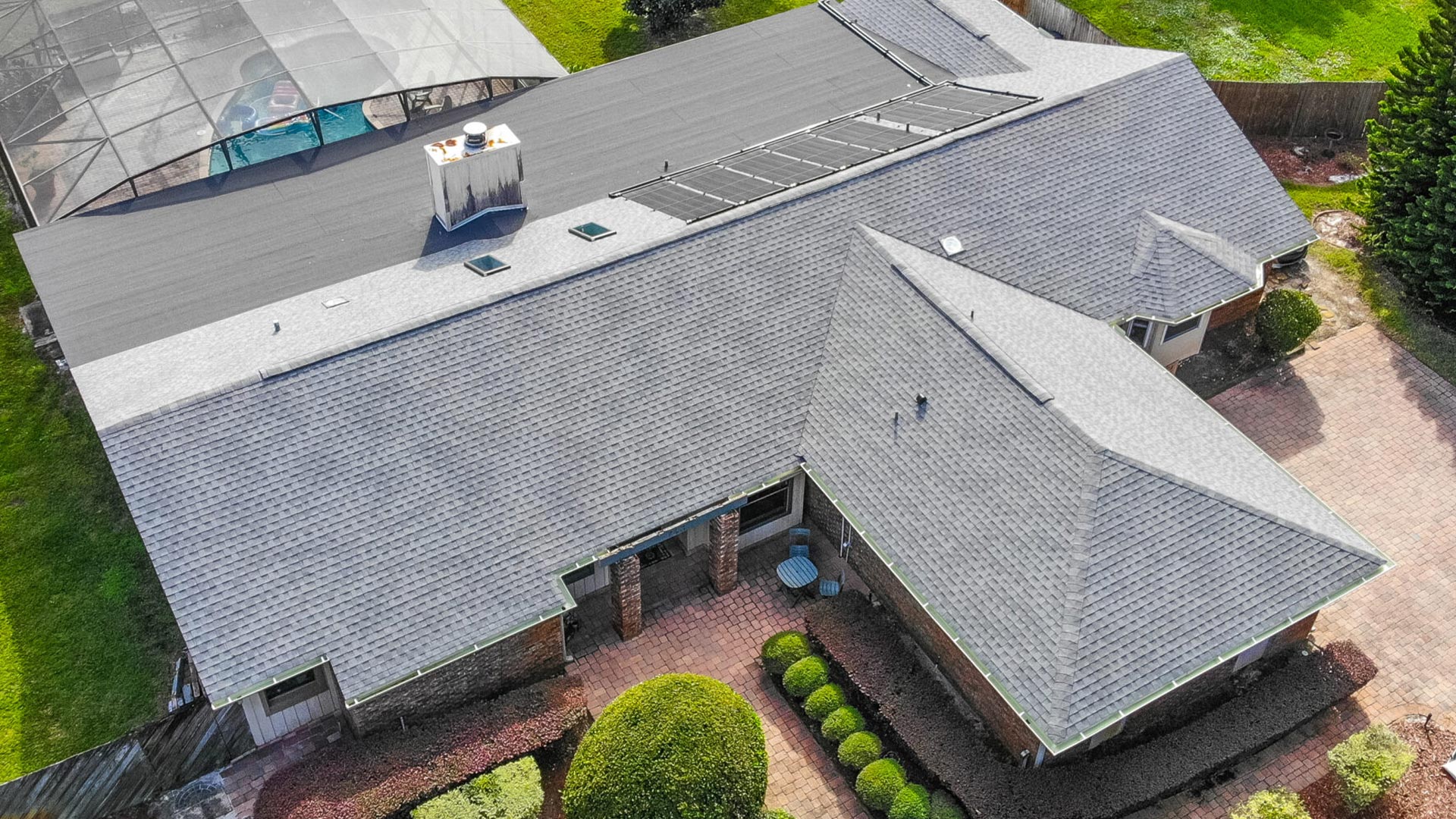
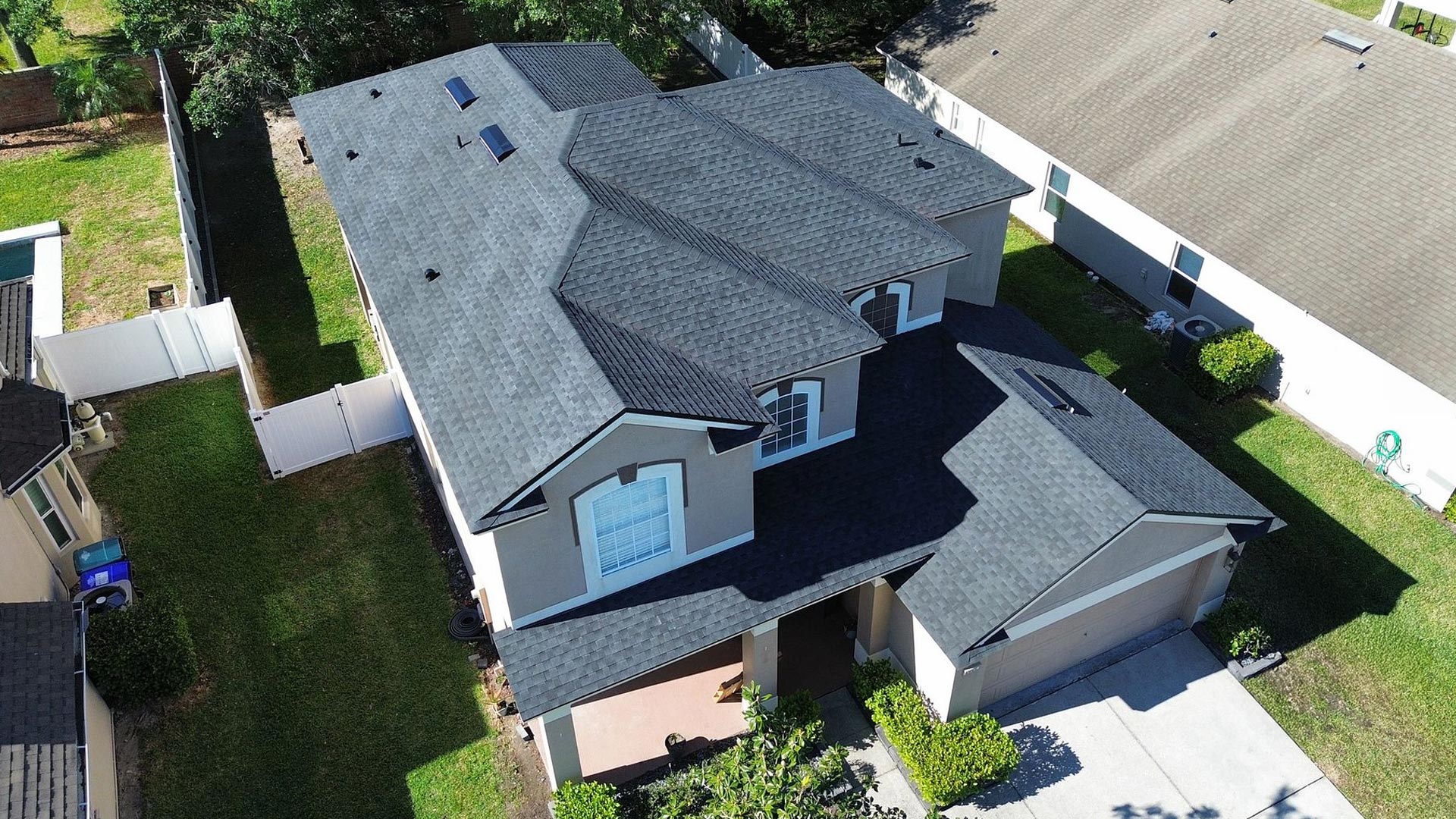

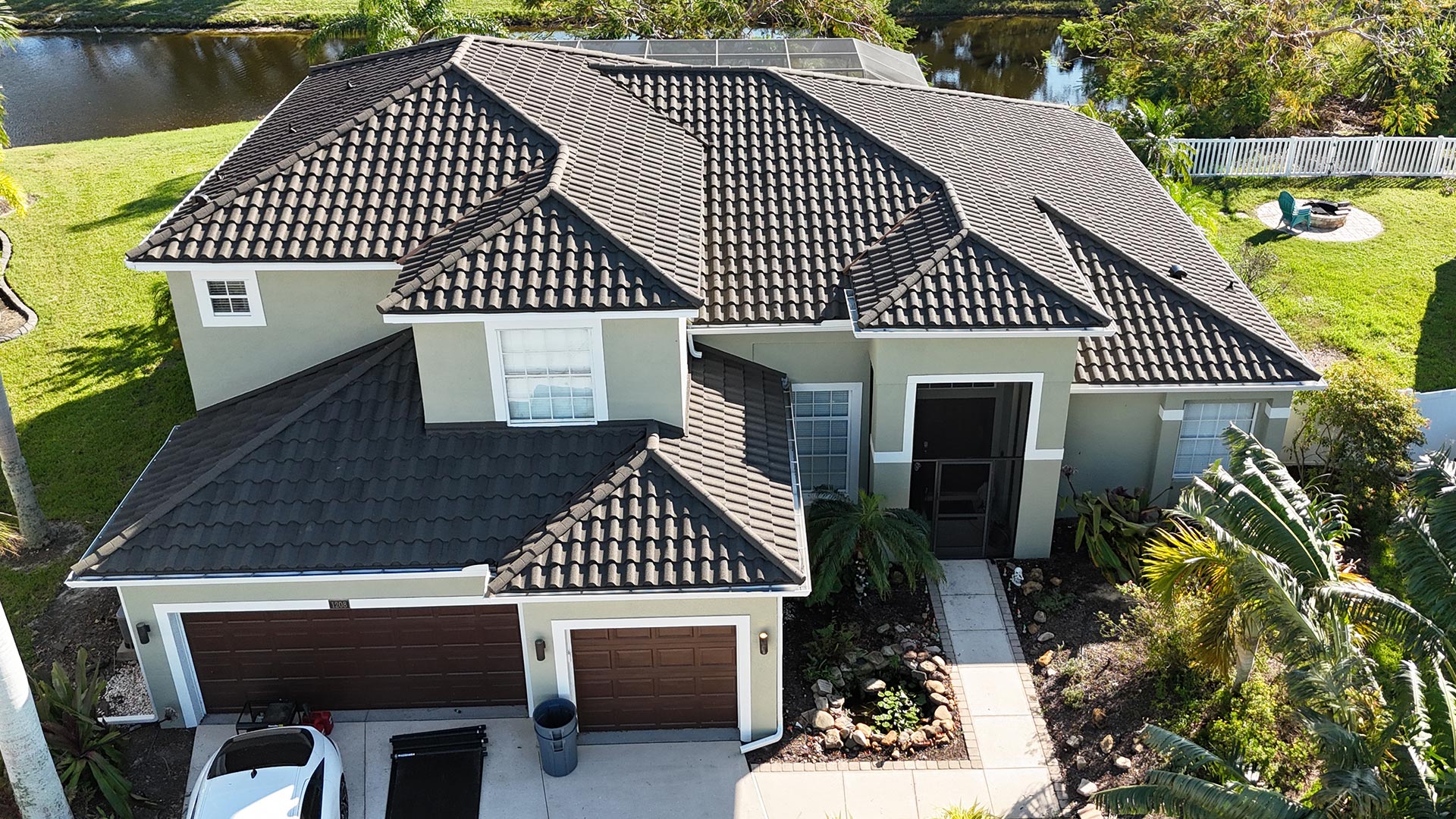
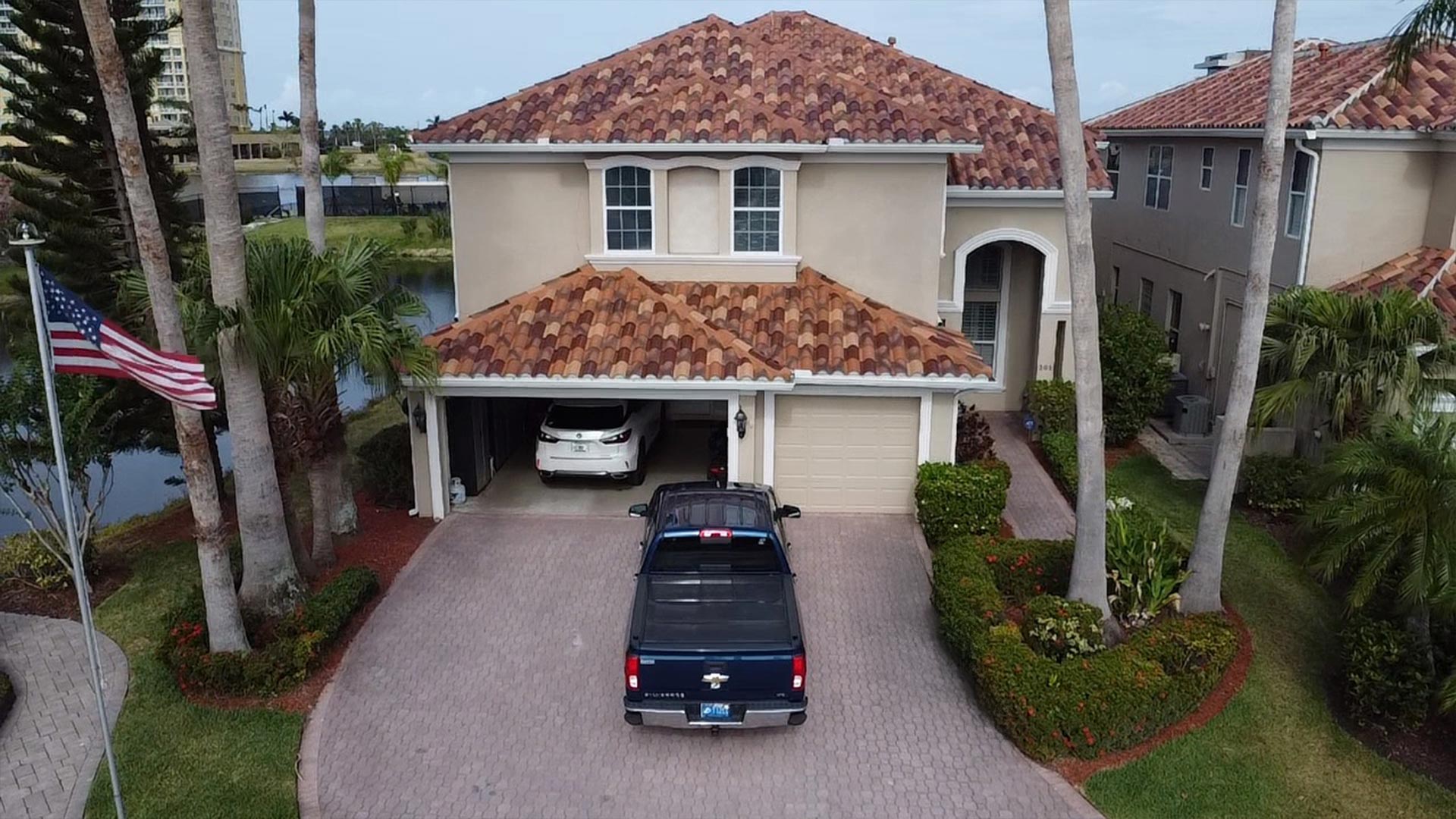
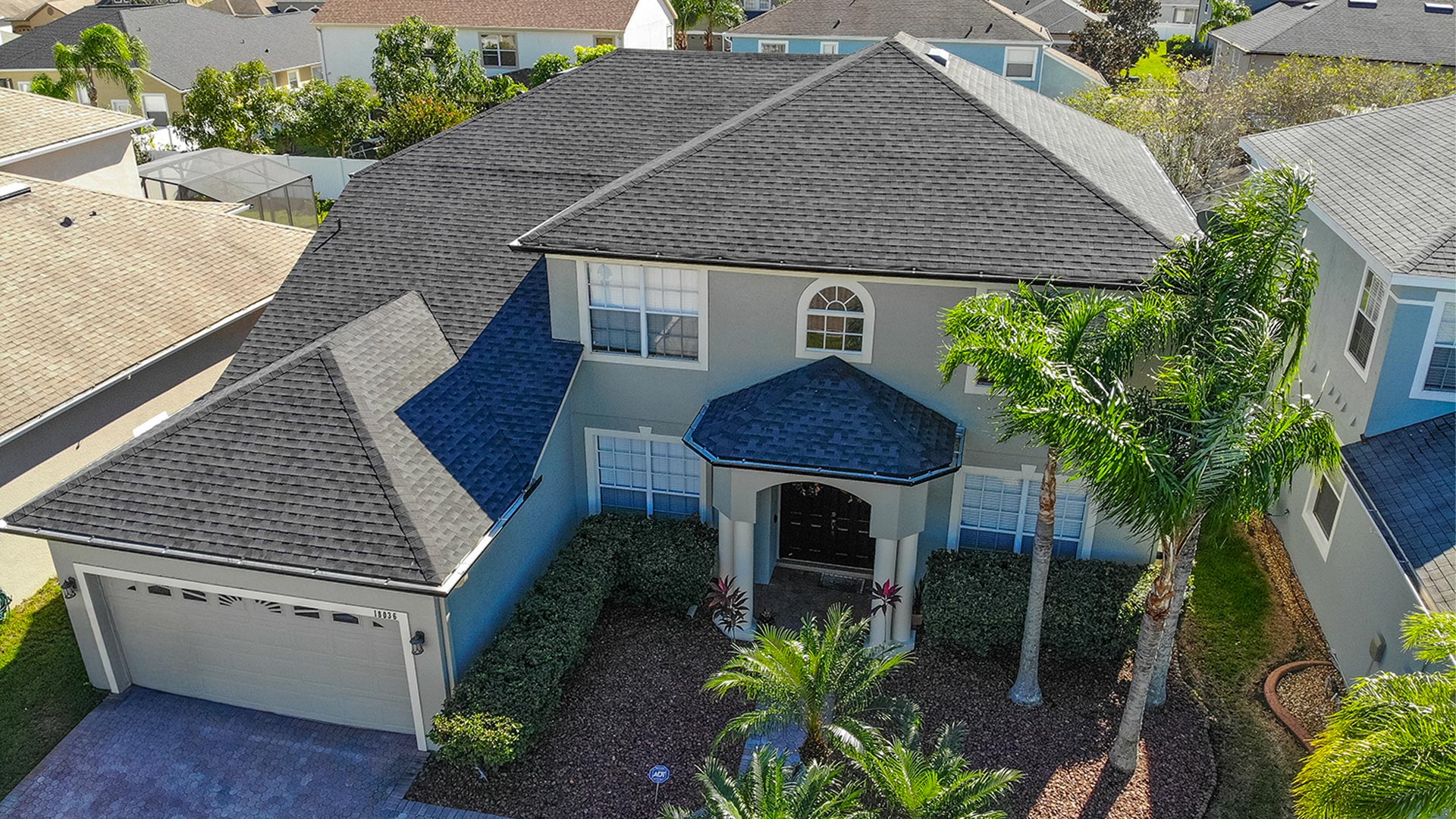
How Do You Know If You Need a New Roof in Orlando?
The clearest signs you need a new roof in Orlando include a roof over 15 years old with visible deterioration, widespread curling or buckling shingles, excessive granules accumulating in gutters, recurring leaks after rain (in that case you need an emergency roof leak repair service), visible daylight through roof boards from the attic, and sagging roof sections [1]. Any single one of these warning signs warrants a professional inspection; two or more appearing together typically indicate the roof has reached or passed its functional end of life in Florida’s demanding climate. If you notice any of these conditions, schedule a free professional roof inspection with 3MG Roofing & Solar to get an honest assessment of your roof’s remaining useful life and your options for repair or replacement.
Why Do Orlando Roofs Fail Faster Than the Manufacturer Rating?
Asphalt shingle manufacturers typically rate their products for 25 to 30 years, but those ratings are based on moderate climate assumptions. In Orlando, the combination of intense year-round UV exposure, daily thermal cycling, heavy seasonal rainfall, high humidity, and periodic hurricane-force winds accelerates deterioration well beyond what manufacturers model [1]. As a result, most asphalt shingle roofs in Central Florida reach functional end of life between 15 and 20 years — even with proper installation and maintenance. Tile and metal roofs last significantly longer, but even they require inspection after 20 to 25 years to check for underlayment degradation, fastener corrosion, and flashing deterioration that may not be visible from the ground.
What Are the Exterior Warning Signs of a Failing Roof?
Many signs of roof failure are visible from the ground or from a safe vantage point. You do not need to climb onto the roof to identify these red flags — in fact, walking on an aging roof can cause further damage. Here are the most common exterior indicators that your Orlando roof is approaching or past its useful life.
Are Your Shingles Curling, Buckling, or Missing?
Shingle curling occurs in two forms: cupping, where the edges turn upward while the center stays flat, and clawing, where the center rises while the edges stay flat. Both indicate the shingle has lost flexibility and is no longer sealing properly against wind and rain [2]. Buckling — a visible wave or ridge pattern across the shingle surface — usually signals moisture trapped in the roof deck below. Missing shingles leave exposed dark patches that are easy to spot from the ground. In Orlando, even a few missing shingles are a serious concern because Florida’s wind-driven rain can penetrate through exposed nail holes and underlayment seams in minutes.
Do You See Excessive Granules in Your Gutters?
Check your gutters and downspout splash areas after a rain. Asphalt granules — which look like coarse, dark sand — accumulate when shingles begin shedding their protective surface layer. Some granule loss is normal on newly installed shingles, but heavy granule accumulation from a roof that is more than a few years old signals the shingles are losing the coating that protects the underlying asphalt from UV degradation [2]. Once granules are lost, the exposed asphalt layer deteriorates rapidly under Florida’s sun, accelerating the timeline to failure from years to months.
Is Your Roof Sagging or Showing Uneven Lines?
A sagging roofline — visible as a dip, bow, or uneven contour when you look at your roof from the street — indicates structural problems beneath the roofing material. The most common causes in Orlando are prolonged water intrusion that has rotted the plywood decking, inadequate structural support, or accumulated moisture damage from poor ventilation [3]. Sagging is never cosmetic — it indicates the roof deck or supporting structure has been compromised and requires immediate professional evaluation. Do not delay on this sign; a sagging roof can progress to partial collapse under the weight of heavy rain or wind loading during a storm.
Do You See Damaged or Missing Flashing?
Flashing — the thin metal strips that seal transitions around chimneys, skylights, plumbing vents, and roof valleys — is one of the most failure-prone elements on any roof. In Orlando, flashing is subjected to constant thermal expansion and contraction that can loosen sealants, lift edges, and create gaps that allow water penetration. If you can see flashing that is lifted, rusted, cracked, or missing from the ground, water is almost certainly getting underneath [1]. Flashing repairs can sometimes extend a roof’s life, but widespread flashing failure on a roof that is already 15 or more years old is often a sign that full replacement is the more cost-effective path.
What Interior Signs Indicate Your Roof Is Failing?
Some of the most important warning signs are found inside your home, not on the roof itself. Check your attic space at least twice a year — once before hurricane season in May and once after in November — using a flashlight to look for these conditions.
Can You See Daylight Through the Roof Boards?
If you can see pinpoints or streaks of daylight from inside your attic, the roofing materials and underlayment have failed or shifted enough to create gaps in the envelope. This means water can enter during any rain event, and wind-driven rain can penetrate even through small openings during storms. Daylight visible from the attic is a clear indicator that the roof needs immediate professional assessment — this is not a situation where monitoring is appropriate.
Do You See Water Stains or Smell Mold in the Attic?
Dark stains on the underside of the roof deck, on rafters, or on attic insulation indicate past or ongoing water intrusion. A musty or mildew smell in the attic — even without visible stains — suggests trapped moisture that can lead to mold colonization within 24 to 48 hours in Florida’s humidity [3]. If water stains have progressed to your interior ceilings or walls below the attic, the leak has been ongoing long enough to cause damage beyond just the roof, potentially affecting insulation, drywall, framing, and electrical systems.
What Does the “Gutter Test” Tell You About Your Roof?
The gutter test is one of the simplest self-assessments an Orlando homeowner can perform. After a moderate to heavy rain, check your gutters, downspout discharge areas, and any ground-level splash blocks for accumulation of dark, gritty material. If you find a significant amount of granule debris — more than a light dusting — your shingles are actively losing their protective surface [2]. Scoop a small amount and compare it to the granule texture on a visible shingle edge. If the material matches, your roof is deteriorating at an accelerated rate. Perform this check seasonally; increasing granule volume over time confirms a declining trajectory that will eventually require replacement.
When Does Roof Repair Make Sense vs Full Replacement?
The repair-versus-replace decision in Orlando comes down to three factors: the roof’s age, the scope of the damage, and the cost trajectory of continued repairs. If your roof is under 10 years old and the damage is isolated — a few missing shingles, a single localized leak, or one area of damaged flashing — repair is typically the right call and can extend the roof’s life cost-effectively. However, if your roof is over 15 years old and showing multiple warning signs across different sections, repeated repairs become a losing financial strategy. Each repair addresses one symptom while the underlying system continues to age, and the cumulative cost of patches often exceeds what a full replacement would have cost. For a detailed decision framework with cost thresholds, see our roof repair vs replacement guide.
| Indicator | Likely Repair Candidate | Likely Replacement Candidate |
|---|---|---|
| Roof age | Under 10 years | Over 15 years |
| Damage scope | Isolated to one area | Multiple areas or widespread |
| Leak history | First occurrence | Recurring or multiple locations |
| Shingle condition | Mostly intact, localized issues | Curling, granule loss, brittleness |
| Structural integrity | Deck and framing sound | Sagging, soft spots, or rot |
| Insurance status | No carrier concerns | Carrier flagged or non-renewal notice |
| Repair cost vs replacement | Repair < 30% of replacement cost | Repair > 30% of replacement cost |
What Should You Do If Your Insurance Company Flags Your Roof?
Florida insurance carriers are increasingly aggressive about requiring roof replacements on aging properties. If you receive a letter from your insurer stating that your roof must be replaced within a specified timeframe — or that your policy will not be renewed — take it seriously and act promptly. Schedule a professional roof inspection immediately to assess the scope of work needed. In some cases, a contractor’s inspection report showing the roof is in better condition than the insurer’s drive-by assessment can be used to contest the requirement. In other cases, replacement is unavoidable, and acting quickly gives you time to select the right contractor, choose materials, and potentially file an insurance claim if storm damage contributed to the deterioration. Do not ignore these notices — letting your policy lapse leaves your largest asset unprotected.
How Often Should You Have Your Orlando Roof Inspected?
The National Roofing Contractors Association recommends professional roof inspections at least once per year [4], with additional inspections after any significant storm event including hurricanes, tropical storms, and severe thunderstorms with hail. In Orlando, the ideal inspection schedule is twice per year — once in April or May before hurricane season and once in November or December after the season ends. Annual inspections catch developing problems before they become emergencies, document your roof’s condition for insurance records, and give you advance notice if replacement is approaching so you can plan financially and schedule the work during the optimal dry-season window.
Frequently Asked Questions
Can I just replace the damaged section of my roof?
Partial replacement is technically possible but comes with significant challenges. New materials will not match the color and weathering profile of existing materials, creating visible patchwork. The transition zone between old and new sections requires meticulous flashing to prevent water intrusion. And if the remaining roof is already past its midlife point, you will likely need full replacement within a few years anyway. If your roof is over 15 years old, full replacement is usually more cost-effective and provides uniform protection across the entire structure.
How long do different roof types last in Orlando?
In Central Florida’s climate, expect asphalt shingles to last 15 to 20 years (despite manufacturer ratings of 25–30), metal roofing to last 40 to 70 years, concrete tile to last 50 to 75 years, and clay tile to last 75 to 100 years [1]. These ranges assume proper installation by a licensed contractor, adequate attic ventilation, and regular maintenance. For more on choosing between these materials, see our Orlando roofing materials guide.
Does 3MG offer free roof inspections in Orlando?
Yes. 3MG Roofing & Solar provides complimentary professional roof inspections for homeowners in Orlando, Winter Park, and the surrounding Central Florida area. Our inspectors provide honest assessments with detailed documentation and no-pressure recommendations — whether the result is a minor repair, continued monitoring, or full replacement.
Should I get a roof inspection before buying a home in Orlando?
Absolutely. A standard home inspection includes a general roof assessment, but hiring a licensed roofing contractor for a dedicated roof inspection provides a much more detailed evaluation of remaining useful life, hidden damage, code compliance, and estimated replacement timeline. Given that a roof replacement in Orlando typically costs $12,000 to $30,000 depending on material type, this inspection is one of the most valuable due-diligence steps you can take before closing on a property. See our roof replacement cost guide for detailed pricing.
Can algae or moss on my roof mean I need a replacement?
Not necessarily. Algae staining — the dark streaks common on Orlando roofs — is primarily a cosmetic issue caused by a type of blue-green algae called Gloeocapsa magma. It does not directly damage shingles, though it can reduce curb appeal and affect resale perception. Moss, however, is more concerning because its root structures lift shingle edges and trap moisture against the roof surface, accelerating deterioration [2]. Light moss can be treated and removed; heavy, widespread moss growth on a roof that is already aging is often a contributing factor that tips the repair-vs-replace decision toward replacement.
What if my roof looks fine from the ground but my insurance company says it needs replacement?
Insurance carriers often make roof-age determinations based on permit records and drive-by inspections, not detailed condition assessments. A roof that appears intact from the ground may still have underlying issues invisible without close inspection — or it may be in better condition than the insurer assumes. Have a licensed roofing contractor perform a full inspection and provide a written condition report. This report can either confirm the need for replacement or serve as evidence to contest the insurer’s determination. Either way, you will have actionable information rather than an insurance company’s assumption.
References
- National Roofing Contractors Association (NRCA). “Roof System Lifespan by Climate Zone and Material Type.” nrca.net
- Asphalt Roofing Manufacturers Association (ARMA). “Understanding Shingle Granule Loss and UV Degradation.” asphaltroofing.org
- FEMA. “Mold, Moisture, and Structural Damage Prevention After Storms.” fema.gov
- National Roofing Contractors Association (NRCA). “Homeowner’s Guide to Roof Maintenance and Inspection.” nrca.net
Written by the licensed roofing professionals at 3MG Roofing & Solar — Orlando, FL. Updated February 2026.