




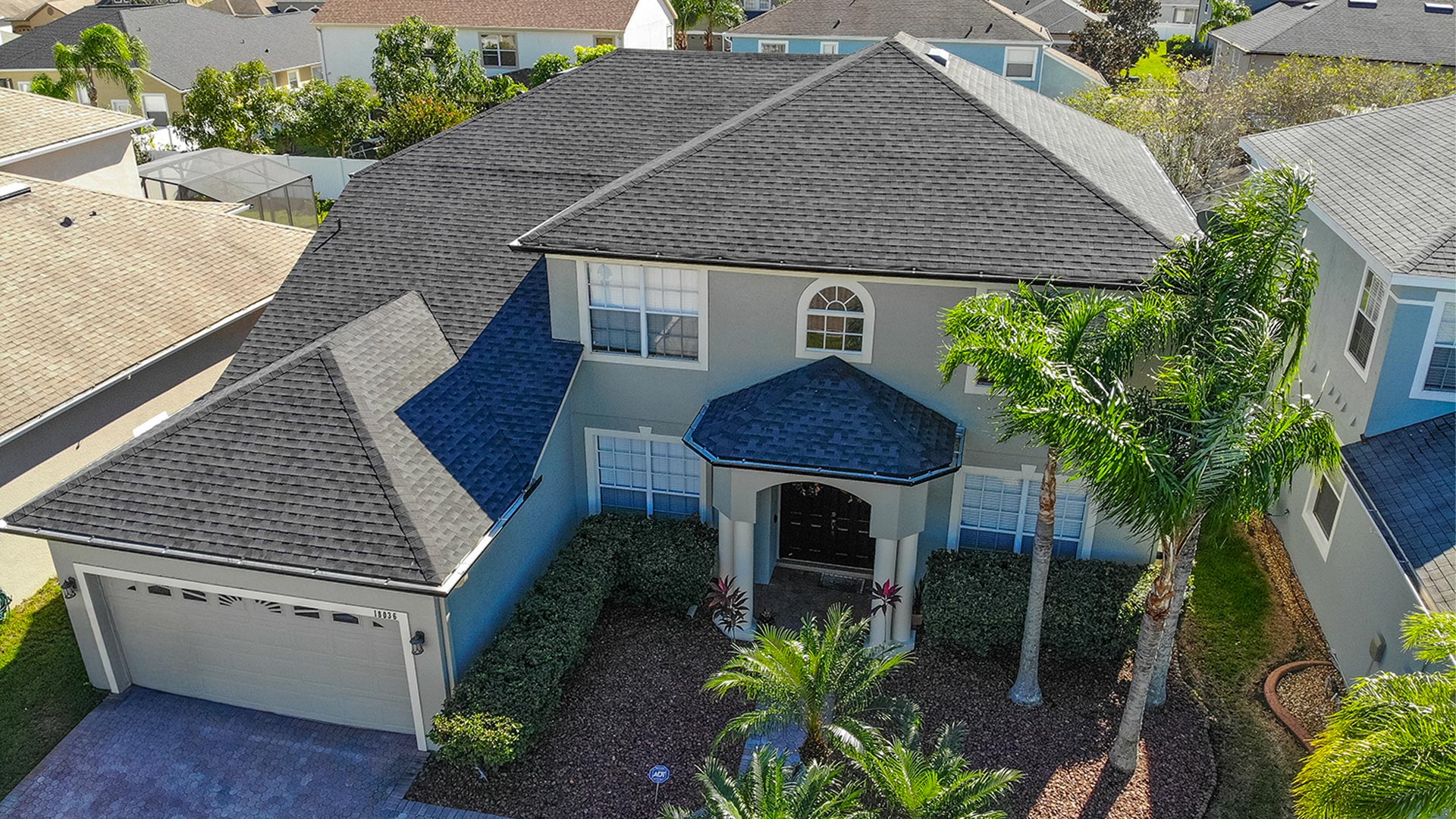
How Long Is Your Roofing Warranty?: What is the duration of your roofing guarantee in Orlando, FL?
At 3MG Roofing and Solar in Orlando, FL, we decode the roof warranty length puzzle with clear-eyed expertise, guiding homeowners through paperwork, fine print, and clock-and-calendar realities. Our team compares coverage horizons, explains workmanship protections versus material pledges, and aligns climate-smart choices with your home’s age, pitch, and budget envelope. We translate legalese into plain talk, spotlight transfer rules for buyers, and map sun, storm, and salt-air exposure to the right pledge duration, so your shingles, tiles, or metal skin carry a promise that matches Florida’s mood swings. From eligibility checks to registration steps, from upgrade options to coverage tiers, we assemble the right mix so your roof’s guarantee timeframe keeps pace with wind loads, UV intensity, and code shifts.
Roofing Warranty Duration in Orlando, FL: Terms, Timelines, and Trade‑offs
In Central Florida’s heat-and-hurricane corridor, the span of roof assurances hinges on two pillars: material commitments and craft guarantees. Manufacturers typically clock coverage in multi-year brackets, yet exclusions, prorating, and algae or wind riders can bend that timeline. Workmanship promises—tied to installation skill—address leaks, misfastening, or flashing missteps, but they often live on a different calendar than product pledges. Sun-baked UV, tropical downpours, and gusty squalls stress seams, sealants, and coatings, so duration isn’t just a number; it’s a weather-tested wager. Assess underlayment grade, ventilation balance, fastener specs, and uplift ratings; these choices can stretch or shrink the promise window. Transferability matters when selling—some terms reset, some prorate, some vanish. Read the exclusions ledger: ponding, neglect, or unapproved modifications can truncate the clock. Verify required documentation, registration deadlines, and inspection notes; a missing form can mute coverage. For tile, metal, or asphalt, compare uplift clauses, impact language, and stain safeguards. In short, the wisest timeline pairs resilient assemblies with clear, enforceable terms that match Orlando’s sunshine, steam, and storm cycles. Choose systems that harmonize with code, slope, and attic airflow, then lock in paperwork that memorializes dates, conditions, and remedies, so the roof’s promise isn’t just ink—it’s insurance against the everyday weather theater above your rafters.
- Different clocks: material vs. workmanship
- Climate modifiers: UV, wind, rain, and humidity
- Transfer rules: sell-ready or seller-bound
- Documentation: registration, proof, and deadlines
| Coverage Type | Common Span (Range) |
|---|---|
| Material (asphalt/metal/tile) | 10–50+ years, often prorated |
| Workmanship (installer) | 2–15 years, non-prorated |
| Algae/Wind add-ons | 5–15 years, conditional |
3MG Roofing and Solar 1127 Solana Ave First Floor, Winter Park, FL 32789, +13216385655
For more information – Click Here
Understanding Roof Warranty Coverage
Key Distinctions That Shape Real Protection
Coverage isn’t a monolith; it’s a mosaic of promises, carve‑outs, and thresholds. Material pledges typically shield shingles, membranes, and coatings from manufacturing defects, while craftsmanship assurances target flashing seams, fastener patterns, and underlayment laps. Read the remedy clause: some contracts limit relief to repair, others to replacement, a few to credit—often capped and excluding collateral harm to drywall, insulation, or decking. Climate clauses matter: wind endorsements may cite 110–130 mph ratings, hail language might hinge on impact classes, and ponding water exclusions can surface on low‑slope decks. Look for proration tables that step down value year by year versus non‑prorated intervals up front. Installation compliance is pivotal; deviations from slope minimums (e.g., 2:12), venting ratios, or ASTM/UL specs can nullify otherwise sturdy assurances, even when the roof looks pristine.
Scope boundaries hide in plain sight. Many agreements omit thermal shock, foot traffic abrasion, chemical exposure, or algae discoloration, yet include limited sealant or accessory coverage for a shorter window. Transfer rules can be strict: some allow a one‑time handoff with written notice within 30–60 days, others reset terms or demand an inspection. Pay attention to leak‑origin tests—if the drip traces to skylight curbs, satellite brackets, or unapproved solar mounts, expect denial. Quantifiable thresholds clarify disputes: fastener density per square, nail embedment depth, or moisture readings in percent by weight can make or break a claim. Document with dated photos, invoices, and deck reports. Finally, confirm coordination clauses: code upgrades, tear‑off disposal, and temporary dry‑ins may be excluded unless specifically named, turning a small defect into a bigger, uncovered expense.
- Verify remedy type: repair, replace, or credit.
- Check proration schedule versus upfront full coverage.
- Confirm transferability, notice windows, and inspection needs.
| Coverage Type | Typical Focus | Common Limits |
|---|---|---|
| Material | Defect in shingles/membranes | Proration; wind/hail thresholds |
| Workmanship | Installation errors | Shorter term; excludes add‑ons |
| System | Components as a whole | Approved details only |
- Pros: Defined remedies; measurable standards; transfer options.
- Cons: Exclusions for ponding, traffic, chemicals; prorated value.
- Expert tip: Align product ratings with local gust maps and impact risks.
Factors Influencing Roofing Guarantees
Coverage on the crown of a house hinges on physics, paperwork, and place. Material science drives the promise: polymer chemistry, asphalt blend gradation, and metal gauge dictate crack resistance, creep, and corrosion. Heavier mats and denser granules blunt hail (Class 3–4), while reflective coats (solar reflectance ≥0.65) tame heat soak and slow oxidation. Assembly matters just as much: fastener pattern density, sealed laps, ice-barrier placement, and drip-edge geometry curb uplift and capillary wicking. Roof pitch alters hydrostatics—2:12 behaves like a shallow lake, 8:12 sheds like a slate chute—so underlayment perms (≤0.3) and ventilation ratios (NFA 1:300) change the moisture math. Climate fingerprints the agreement; coastal salt fog (ISO 9227), alpine freeze–thaw cycles (±40°C), desert UV index 8–11, and hurricane exposure demand different clauses and exclusions. Documentation is the quiet governor: load calcs (30–60 psf), wind uplift ratings, and photos of substrate prep can unlock stronger assurances or trip a loophole. Even attic conditions steer outcomes: balanced intake–exhaust cuts deck temp deltas by 15–25°C, easing thermal fatigue and asphalt volatilization. Finally, code cycle and permit trail matter—meeting current editions of structural, energy, and fire code often widens protection per square, while deviations can shrink it to a postage stamp.
Expert tip: specify compatible stacks—underlayment, flashing alloy, sealant chemistry, and shingle binder—so galvanic maps, plasticizer migration, and adhesive shear don’t void otherwise robust terms. Ask for wind-field verification (ASCE 7 zone maps) and require uplift testing data to match your ridge height and terrain category.
- UV index
- Slope
- Fasteners
| Factor | Metric |
|---|---|
| Vent | NFA 1:300 |
| Uplift | ASCE 7 |
Importance of Comprehensive Roofing Warranties
A roof’s promise—its assurance, pledge, and guarantee—matters most when the sky turns unruly and the ledger grows thin. A broad, soup-to-nuts policy doesn’t just cover shingles; it shelters accessories, flashings, underlayments, and the craft itself—workmanship, labor, and installation. Look for language that bundles defects, premature aging, wind uplift thresholds (e.g., 110–130 mph), and algae or staining, rather than a narrow, threadbare clause. Breadth beats brevity: non-prorated windows delay depreciation, while transfer provisions let value move, migrate, and pass to the next owner, stabilizing appraisal and easing negotiations. Scrutinize exclusions: cosmetic-only rulings, ponding water, or “consequential damages” carve-outs can turn protection into parchment. Demand clarity on claim timelines—notice, inspection, and remedy—so a leak doesn’t become litigation. Coverage for tear-off, disposal, and code upgrades is pivotal when repair morphs into replacement, and when old decks reveal soft spots, voids, or hidden seams.
- Seek combined material + workmanship coverage to dodge blame ping-pong.
- Favor clear wind, impact, and fire ratings tied to tested standards.
- Verify proration curves: slower decline, stronger shelter for budgets.
| Feature | Why It Matters | Watch-Out |
|---|---|---|
| Non-prorated period | Max cost recovery early | Short windows erode value |
| Transfer rights | Resale leverage | One-time limits, fees |
| Code upgrade | Funds new requirements | Caps, exclusions |
Expert tip: read definitions—the fine print, the footnotes, the glossary—because terms like “manufacturing defect,” “occurrence,” or “catastrophic event” can narrow, widen, or invert outcomes. Comprehensive means integrated, layered, and durable; anything less is an umbrella in a gale, a lock without a key, a shield with a seam.
Comparing Roof Warranty Options in Orlando
When considering roof warranty options in Orlando, it is essential to delve beyond just the length of coverage provided. Here are some key points to keep in mind:
- Scope of Coverage
- Exclusions and Limitations
- Transferability
Understanding the scope of coverage is crucial as it outlines what aspects of your roof are protected. Some warranties may only cover manufacturing defects, while others include workmanship and installation.
Exclusions and limitations can significantly impact the effectiveness of a warranty. Be sure to review these carefully, as they may exclude certain types of damage or limit the circumstances under which the warranty applies.
Transferability is another important factor to consider. A warranty that can be transferred to a new homeowner can add value to your property if you decide to sell.
- Expert Tip: Request a written copy of the warranty terms and conditions for your records.
- Expert Tip: Consider the reputation and reliability of the roofing manufacturer when evaluating warranty options.
By thoroughly comparing these aspects of different roof warranty options in Orlando, you can make an informed decision that provides you with the most comprehensive coverage for your specific needs.
Ensuring Roof Warranty Compliance
Compliance isn’t a slogan; it’s a paper trail, a toolkit, and a tape measure working in concert. Start with the spec sheet: match membrane, shingle, or panel grade to climate loads—wind uplift ratings (e.g., ASTM D3161 Class F), ice-dam zones, and snow loads measured in psf. Verify substrate conditions: moisture content below 19%, deck deflection under L/240, and plane deviation under 1/8 inch in 10 feet, or the guarantee can evaporate. Fastener logic matters—spacing, pattern, and corrosion class (e.g., 300-series stainless near coasts) must mirror the book, not a hunch. Ventilation is a silent enforcer: target net free area at 1:150 (or 1:300 with baffles), preventing condensation that turns coverage to confetti. Slopes set boundaries: low-slope areas need fully adhered or mechanically attached systems, not nailed dreams; steep-slope roofs demand underlayment tiers (e.g., two layers at 2:12–3:12). Flashing is the diplomat: counterflashing heights of 8–10 cm and staggered laps stop water from negotiating its way in. Penetrations—satellite masts, solar stanchions, skylight curbs—require factory-approved boots or curb kits; field improvisation is a coverage killer. Document every layer: photos of underlayment laps (minimum 10 cm), fastener embedment depth, and the chain of custody for sealants. Chemicals are landmines—avoid petroleum solvents on bituminous products and bleach-heavy cleaners on coatings. When adjacent trades step onto the roof, log foot traffic and protect paths; post-install holes read like signatures on a denial letter. After storms, time-stamp inspections within 48 hours; delay invites disputes.
Quick Checks
- Measure intake/exhaust vents; confirm 1:150 ratio.
- Record fastener density (e.g., 12 per board in corners).
- Expert tip: Include a calibration shot of your gauge or meter in photos.
Compliance Matrix
| Item | Threshold | Evidence |
|---|---|---|
| Deck Moisture | < 19% | Meter readout image |
| Flashing Height | 8–10 cm | Ruler in photo |
Pros and Cons of Strict Adherence
- Pro: Faster approvals; fewer disputes.
- Pro: Better performance under 3–second gusts.
- Con: More documentation time on site.