




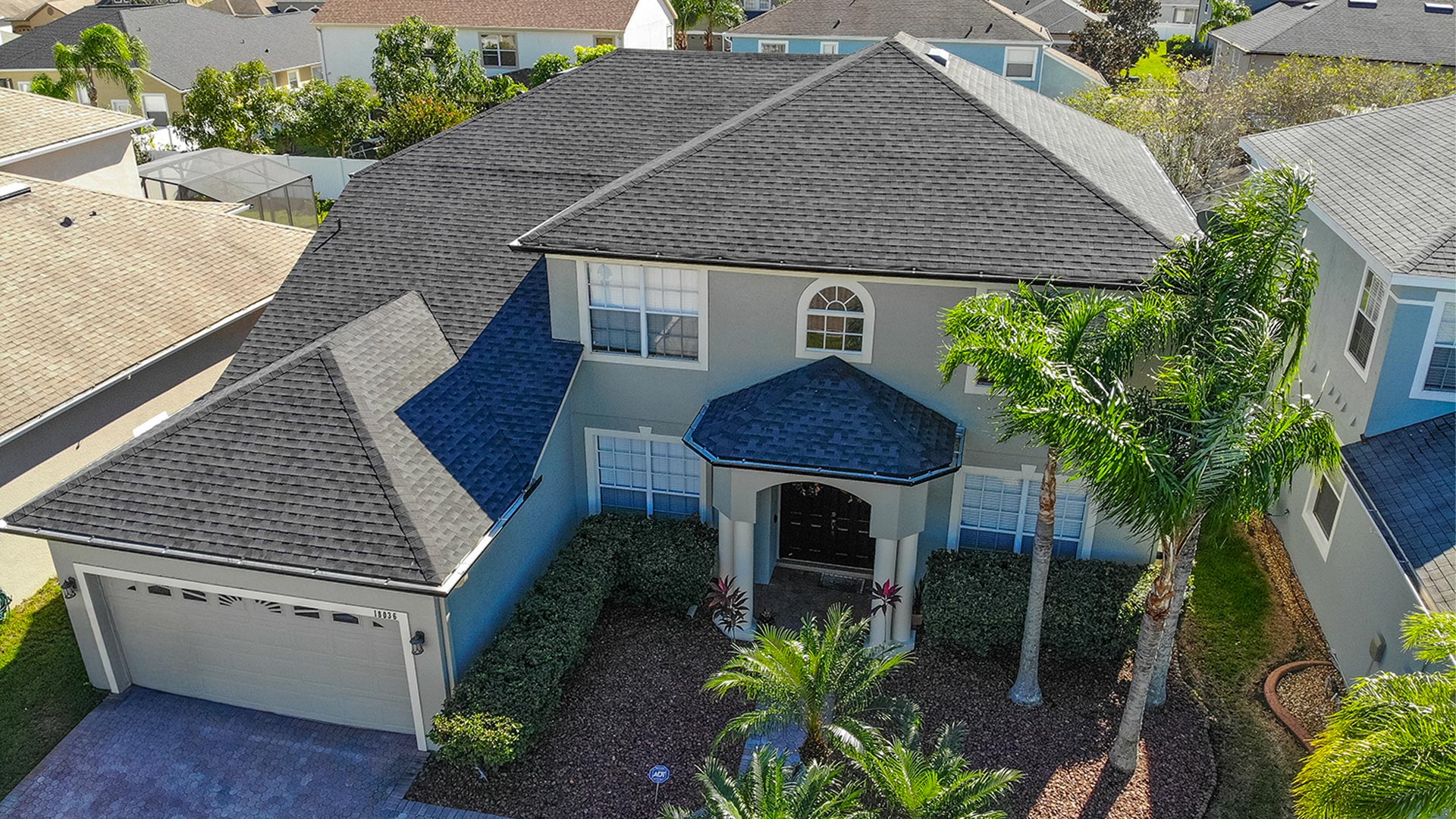

What Is Drip Edge And Do I Need It?: Understanding the importance of a metal flashing along the roof perimeter in Orlando, FL is crucial for property owners
At 3MG Roofing and Solar in Orlando, FL, our crew deciphers the puzzle of roof-edge safeguards—think “what is eave flashing and do I need it?”—by inspecting fascia lines, eaves, and rakes, then specifying metals, profiles, and fastening patterns that tame wind-driven rain, sunbaked heat, and surprise squalls. We blend building-science rigor with jobsite pragmatism, translating codes into clear choices, comparing gauge, coatings, and overlaps, and sequencing installs so shingles, underlayments, and trim interlock like gears. Whether your home is coastal-bright or inland-shaded, we calibrate drip-line geometry, kick-out angles, and fastener spacing to outsmart capillary creep, thwart splash-back, and banish rot before it starts, delivering clean edges, dry soffits, and a warranty-friendly finish that looks sharp and lasts long.
The Importance of Drip Edge for Your Roof in Orlando, FL
In Central Florida’s see-saw climate—sudden downpours, blazing UV, salt-kissed breezes—the slim metal along your eaves and rakes acts as a bouncer, guide, and shield: it channels runoff, blocks wind-lift, and keeps fragile sheathing from sipping water. Without this quiet guardian, rain can backtrack under shingles, stain fascia, swell plywood, and invite ants, mold, and mischief. With it, water exits cleanly, gutters behave, and the roof deck stays bone-dry. The right profile (D, F, or T), the proper hem, and a crisp drip line create a tiny but mighty gap that defeats capillary action and splash.
Precision matters: overlap joints, sealed corners, and fasteners set high under the shingle edge create a continuous armor that resists hurricanes instead of surrendering to gusts. In Orlando, code alignment and storm-savvy detailing aren’t luxuries; they’re the difference between tidy edges and costly tear-outs. Pair compatible metals to avoid galvanic spats, select coatings that shrug off corrosion, and tuck underlayment correctly—below at the eave, above at the rake—for a belt-and-suspenders system.
- Directs water away from fascia, siding, and foundations
- Stiffens shingle perimeters and curbs wind uplift
- Prevents capillary wicking under the roof covering
- Choose profile and gauge for local wind/rain loads
- Install with consistent overhang and sealed joints
- Verify compatibility with gutters and flashing
| Area | Risk | Edge Priority |
|---|---|---|
| Eave | Backflow, ice-free but intense rain | Water channeling |
| Rake | Wind-driven intrusion | Uplift resistance |
3MG Roofing and Solar 1127 Solana Ave First Floor, Winter Park, FL 32789, +13216385655
For more information – Click Here
How Drip Edge Protects Your Home from Water Damage
Think of the drip edge as a quiet sentinel along the eave and rake—steering rain, meltwater, and dew safely away from the skin of your house. By kicking runoff past the fascia and into the gutter trough, this slender metal lip prevents capillary creep, the sneaky upward wicking that soaks plywood, stains soffits, and feeds mold. A crisp hem and a 5–10° cant throw droplets clear of the wooden edge, while a 1–2 in overhang shuttles sheets of water into the channel rather than onto siding. Under high-wind squalls, the downward flange blocks backflow from curling beneath shingles, preserving the shingle underlayment and the roof deck. With 26–28 gauge aluminum or galvanized steel (approx. 0.016–0.019 in), the profile resists oil-canning and salt-laden spray, yet stays flexible for tight corners. Ice dams? The metal nose teams with waterproof membrane to shunt thaw cycles outward, reducing freeze–thaw splitting along the line of nails. Even in sunbaked zones, a baked-on finish deflects UV and reduces staining streaks that telegraph into the gutter face. Proper lap—at least 2 in—prevents seam drips, and sealed joints deny wind-driven mist a pathway. In short, this simple strip becomes a control joint for water: guiding, shedding, and isolating it before droplets can breach the roof’s perimeter and gnaw at the home’s bones.
- Pros: diverts water; shields fascia/soffit; stabilizes shingle edges.
- Cons: poor fit invites noise; mismatched metals may corrode.
- Maintain 1/4–1/2 in gap from drip line to fascia.
- Lap joints 2 in; fasten 12 in on center.
- Kick-out flashing at wall ends: 3 in projection.
| Area | Role |
|---|---|
| Eave | Channels bulk flow into gutters |
| Rake | Blocks lateral, wind-driven rain |
- Expert tip: isolate copper from aluminum with a membrane to avoid galvanic bite.
Installing Drip Edge: A Crucial Step in Roofing Projects
Precision, sequencing, and moisture management
Installing drip edge is more than trim; it’s a hydraulic control, a capillary brake, and a wind baffle guiding rain, meltwater, and roof-sweat away from the fascia, sheathing, and soffit. Proper placement starts under the underlayment at the rakes and over the ice-and-water at the eaves, creating a shingle-by-shingle handoff that denies backflow and siphoning. Aim for a 3/8–1/2 in. overhang from the roof deck, a snug 1/4 in. gap off the fascia, and corrosion-resistant metal—26–29 gauge steel or 0.019–0.024 in. aluminum—to shrug off storms, salt, and ultraviolet punishment. Fasten high and tight: nails every 8–12 in., staggered, with seams lapped 2 in. minimum and corners hemmed to kill capillary creep. Pay attention to gutters; slide the flange into the trough’s plane so runoff hits the bead instead of behind it, preventing ice dams from sneaking under shingles and chewing the plywood. Where dormers, valleys, and kick-outs intersect, treat the metal as choreography: notch, back-cut, and seal with compatible butyl or polyurethane, not asphalt that cracks in freeze–thaw cycles. In high-wind zones, add a continuous bead of sealant under the flange and step up fastener spacing to 6–8 in. on center. For coastal roofs, consider painted or anodized finishes to resist galvanic feuds with copper or stainless components. Small details—square eave starts, clean hems, true lines—translate into big dividends: quieter edges, drier siding, straighter gutters, and shingles that live their full service life instead of curling early. Measure twice, dry-fit once, then nail with purpose and weather-wise rhythm and precision.
- Dry-fit along eaves and rakes; verify 3/8–1/2 in. overhang.
- Lap joints 2 in.; hem corners; fasten every 8–12 in.
- Integrate with underlayment sequence; align to gutter plane.
- Expert tip: Use butyl sealant in cold zones; polyurethane in hot, sunny climates.
- Field check: Probe for capillary gaps with a 0.020 in. feeler gauge.
| Pros | Cons |
|---|---|
| Controls capillary action; protects edges; extends shingle life | Requires precise sequencing with membranes and gutters |
| Improves wind resistance and runoff alignment | Metal incompatibility risks without finish selection |

Drip Edge Regulations and Requirements in Orlando, FL
In Orlando’s wind‑tested corridor, inspectors look for edge metal that matches Florida Building Code (FBC) language: corrosion‑resistant metal (galvanized steel G90, 0.019–0.024 in; or aluminum per ASTM B209), fastened tight, and layered correctly with the roof’s skin. Eaves get metal installed beneath the underlayment; rakes typically receive it over the sheet, a shingle‑by‑shingle shield that prevents capillary creep and wind‑driven wicking. Overlap joints ≥2 in, nail spacing usually ≤12 in on center (tighter—≈4–6 in—on corners, ridges, and windward rakes), and a flange projecting 2 in onto the deck with a drip leg set proud of the fascia by about 1/4–1/2 in to break water tension. Orlando isn’t in the High‑Velocity Hurricane Zone, yet Orange County plan reviewers often lean on HVHZ‑style rigor near lakefronts and open exposures: hemmed edges, sealed laps (compatible polyurethane or butyl), and ring‑shank nails with 3/8 in heads penetrating the deck ≥3/4 in. Pros: boosts shingle wind uplift resistance, shields the soffit line, and curbs fascia rot; cons: sloppy sequencing can trap water if under/over‑laps are reversed. Practical thresholds: wind design 130–140 mph calls for shorter nail spacing and wider flanges (3 in vs 2 in), while gutters should ride under the drip leg, not over it, with hangers avoiding punctures at laps. Field trick: color‑matched coating hides fasteners but also adds an extra corrosion buffer near coastal corridors; in Orlando’s inland climate, G90 or 3003‑H14 aluminum with baked enamel typically outlasts the shingles by a cycle.
Common Misconceptions About Drip Edge in Roofing
Many folks assume the metal lip along the eaves is mere trim, a cosmetic cuff, a decorative flourish; in reality, that slim flange choreographs water, wind, and wicking. Myth one: “Any metal will do.” Not so—coated aluminum (0.019–0.027 in) resists oxidation differently than galvanized steel (G60–G90), while coastal salt spray demands marine‑minded alloys or heavier coatings. Myth two: “Alignment doesn’t matter.” A 1/4–1/2 in projection past the decking, a 1/4 in gap to the fascia for capillary break, and a snug kickout angle are small numbers with outsized consequences for siding staining, soffit rot, and sheathing decay. Myth three: “Put it wherever.” Sequence matters: along rakes it should tuck under the underlayment; along eaves it belongs beneath ice/water membrane but over the starter course—reversed layering invites wind‑driven rain and capillary creep. Myth four: “It’s useless on low slope.” Paradoxically, shallow pitches benefit most, where runoff lingers and surf‑like backflow can ride shingles backward. Myth five: “It stops ice dams.” It doesn’t; it redirects meltwater away from the fascia while the real fix is attic R‑value, airtightness, and venting. Under‑discussed: thermal movement—long runs need expansion tolerance; galvanic mismatch—copper gutters can chew through zinc‑coated steel; fastener placement—nails too high can oil‑can the flange, too low pierce the drip line. Think of this edge as a pressure‑managing, capillary‑defeating, fascia‑shielding control joint, not a fashion strip. Done precisely, it trims callbacks, quiets leaks, and lengthens the life of shingles, boards, and paint alike.
Expert Tips
- Target 1.5 in face, 3/4 in hem, 10°–15° kickout.
- Seal joints with butyl; overlap 2 in (minimum).
- Pre‑finish cuts; avoid dissimilar‑metal contact.
Pros and Cons
| Pros | Cons |
|---|---|
| Controls runoff; deters wicking; protects fascia. | Requires precise sequencing; galvanic risks. |
| Reduces wind‑driven intrusion; cleaner drip line. | Thermal expansion gaps must be managed. |
Drip Edge Benefits Beyond Just Aesthetics
Think of that slim metal flange at the eaves as a traffic cop for water: it steers rain, snowmelt, and dew away from the fascia, soffit, and sheathing, preventing capillary creep and splashback. By extending 0.75–1.5 inches past the deck and locking over the fascia line, it breaks surface tension, shielding underlayment seams from wind-driven storms that can exceed 60–90 mph. This small rim also creates a clean handoff to gutters, reducing overshoot during cloudbursts and minimizing ice-dam backflow in freeze–thaw cycles. In hot-sun belts, it shades board edges, lowering UV degradation of paint films and sealants; in coastal zones, it lessens salt-laden intrusion at vulnerable joints. When paired with a kick-out at rakes, it arrests diagonal runoff that would otherwise tattoo siding with dirty teardrops and accelerate rot at fastener penetrations.
- Controls capillary action at shingle edges, curbing hidden moisture loading.
- Stiffens perimeter, improving wind uplift resistance at the first course.
- Optimizes gutter capture, reducing splash erosion around the foundation.
- Specify corrosion class suitable for climate (e.g., aluminum inland, coated steel near salt spray).
- Maintain a 0.25–0.5 inch drip gap to prevent back-wicking into fascia.
- Lap joints 2 inches with sealant only where code or climate warrants.
| Aspect | Pros | Cons |
|---|---|---|
| Moisture Control | Limits rot, mold, delamination | Improper gaps can trap vapor |
| Structure | Adds edge rigidity | Poor fastener choice invites galvanic issues |
| Gutter Interface | Less overshoot, cleaner flow | Misalignment causes noise and drip-back |
Field data show roof edges without this barrier can exhibit 20–35% higher moisture content at the deck rim after driving rain. That elevated wetting shortens paint life by seasons, not months, and nudges fasteners toward oxidation. Choose profiles with hemmed edges to resist sharp-edge oil canning, and fasten at 8–12 inch centers with compatible coatings. For steep pitches (8:12+), prefer a longer nose to better intercept high-velocity runoff; for low-slope margins, integrate with self-adhered membrane to block wind-borne spray. A modest component, yes—but it orchestrates water, air, and sun at the most exposed inch of the roof, trading cosmetic tidiness for measurable durability, tighter energy performance at the eave line, and a calmer, quieter gutter system during downpours.