




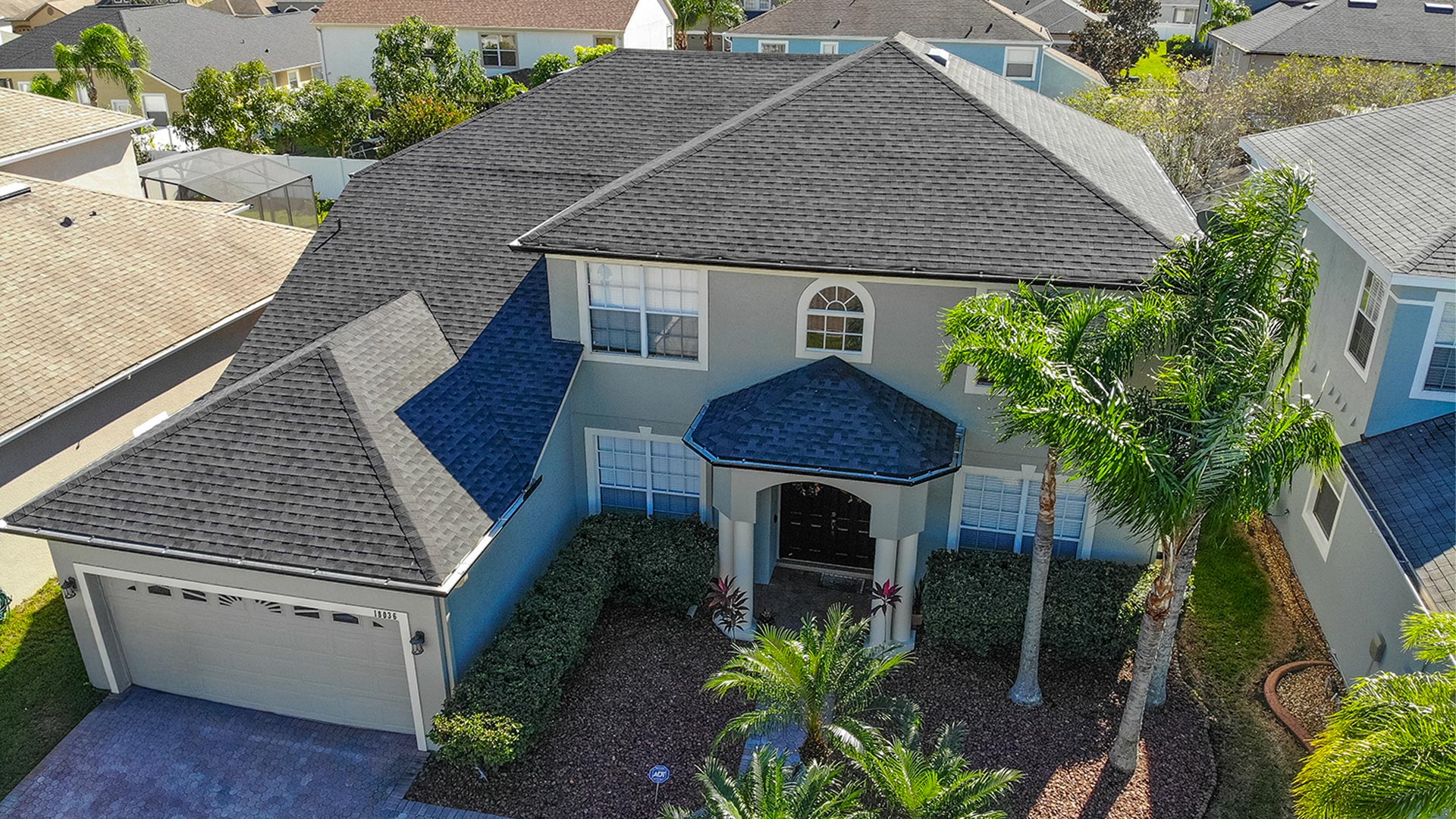

Does Hail Damage Qualify For Insurance Coverage?: Is hail damage covered by insurance in Orlando, FL?
3MG Roofing and Solar in Orlando, FL navigates the maze so you don’t wrestle with the fine print. Our team deciphers hail loss eligibility for policy benefits, clarifying whether storm-spawned dents, bruised shingles, or fractured skylights meet your carrier’s yardstick. From photo-rich inspections to line-item estimates, we align insurer lingo with rooftop realities, translating adjuster jargon into plain-sense options. We organize evidence, timestamp weather verifications, and present documentation that withstands scrutiny, cross-exam, and second looks. When you need clarity on whether hail impacts are eligible for policy protection, we orchestrate the paperwork, the timelines, and the claims choreography—so approvals move, repairs start, and your home returns to form without you chasing the wind.
Understanding Insurance Claims for Hail Damage in Orlando, FL
When storm cells roll off the Gulf and lake-breeze boundaries collide, Orlando roofs face ice-shot pellets that bruise, pit, and prematurely age coverings. Insurers weigh proof, causation, and policy language; homeowners need evidence, chronology, and credible scope. Start with a methodical survey: granule displacement, soft-metal dimples, fractured mats, and compromised flashing. Pair high-resolution photos with chalk-circled impacts, date-stamped radar reports, and a repair-versus-replacement analysis. Orlando’s humid furnace accelerates unseen moisture intrusion, so underlayment breaches, ridge caps, and vents deserve detective-level attention. File promptly: delays can muddy origin, inflate doubts, and shrink outcomes. An estimate should mirror carrier formats—line codes, quantities, waste factors—so appraisal reads clean and defensible. If an adjuster’s view feels narrow, request a reinspection with side-by-side findings and manufacturer bulletins. Keep conversations courteous yet documented; paper trails outlast memories. Policy deductibles, depreciation rules, and code upgrades can twist totals, so parse endorsements that govern ventilation, decking, and wind resistance. Above all, show consistent patterns across slopes, not random blemishes from ladder scuffs or acorns. Hail signatures prefer soft metals: gutters, downspouts, chimney caps; photograph those “telltale” surfaces to corroborate shingle marks. Leverage weather forensics—hail swaths, stone diameters, and impact energy—to anchor your narrative. In Central Florida’s capricious sky theater, preparation, precision, and persistence turn a tempest into a documented event, a documented event into a decision, and a decision into restored shelter.
- Photograph soft-metal hits (gutters, vents, caps) to validate roof markings.
- Collect radar data and local storm logs for date-specific corroboration.
- Match estimates to carrier formatting to reduce friction and rework.
- Request reinspections when field notes and evidence diverge.
| Step | Key Evidence | Typical Window |
|---|---|---|
| Initial Inspection | Photos, test squares, soft-metal checks | 48–72 hours post-storm |
| Filing | Weather reports, estimate, policy review | Within policy notice period |
| Reinspection | Side-by-side documentation, manufacturer info | As scheduled with carrier |
3MG Roofing and Solar 1127 Solana Ave First Floor, Winter Park, FL 32789, +13216385655
For more information – Click Here
Qualifying Factors for Hail-Related Claims in Orlando
In Central Florida’s stormbelt, hail seldom lingers, but its fingerprints remain: impact rings, granule craters, and metal “spatter” where oxidation was scrubbed away. Qualifying hinges on verifiable event data and building condition. Carriers compare reported strike size—pea to golf-ball (0.25–1.75 in; 6–45 mm)—with the roof’s resilience: asphalt hardness, metal gauge, tile brittleness, and slope (10–45°) that changes impact angles. Wind shear matters; gusts above 40–60 mph turn small stones into bruisers, producing non-uniform patterns on windward facets. Age and upkeep weigh heavily; a 18-year shingle with cupping or thermal cracking invites denials for wear-and-tear, while a 3–8-year system with clean spatter and fresh fractures suggests recent harm. Documentation within 3–10 days—photos of downspouts, condenser fins, ridge caps, soft metals—helps establish temporality. Code compliance (FBC nailing patterns, underlayment type, permitted reroofs) and prior claims history can tilt decisions. Finally, collateral hits on gutters, mailbox tops, and window beads corroborate roof marks, reinforcing causation over coincidence.
Insurers also cross-check radar footprints, NOAA storm reports, and hail swaths to validate timing and location. Density counts (impacts per 100 sq ft) and bruise depth (>1/8 in) distinguish cosmetic dimples from functional impairment. Mechanical damage—ladder scuffs, footfall, or pressure-washer marks—undercuts eligibility, while hail-specific indicators—fractured mat, crescent chips on tiles, dented ridge vents—support it. HVAC fin deformation measured in fins-per-inch flattened (>30%) and paint spall on flashings build the chain of proof. Gutters holding granules post-storm signal accelerated shingle aging. Keep an eye on interior symptoms delayed by weeks: ceiling shadowing, moisture readings above 16%, or IR cold spots along valleys. Timeliness, traceable meteorology, and impartial inspection notes—photos with timestamps, compass orientations, and scale references—create a defensible narrative for storm-driven harm in Orlando’s sea-breeze collision zone.
- Event verification: radar echoes, swath maps, and local reports.
- Material response: shingle mat fractures, metal gauge dents, tile chips.
- Pattern consistency: slope-specific, windward clustering.
- Age/maintenance: documented upkeep vs. deterioration.
- Collateral indicators: gutters, fins, soft metals.
- Expert tip: Use coin-sized scales in photos; include azimuth and slope.
- Expert tip: Log moisture with a calibrated meter (≥16% flags concern).
- Expert tip: Capture pre-storm images annually to establish baseline.
| Approach | Pros | Cons |
|---|---|---|
| File promptly | Preserves evidence; aligns with reports | Less time to gather estimates |
| Wait for follow-up inspection | Allows latent leaks to appear | Risk of weathering obscuring marks |
Steps to Take After Hail Damage Hits Your Roof in Orlando
First, treat the scene like a jobsite: stand back, scan the roofline, and listen for dripping, ticking, or wind-whistle that betrays punctures. Document relentlessly—shoot wide shots, then close-ups with a ruler or coin for scale, noting stone size (6–25 mm), dent depth (0.5–2.0 mm), and slope orientation (N/S/E/W). Check soft metals—the gutters, downspouts, vents, and flashing are the roof’s “tell”—and record creases or dimples. Inside, walk the attic with a flashlight and moisture meter; map readings above 16% MC as suspect, and mark rafters where daylight peeks. At dawn or dusk, a low-angle light or a modest thermal camera scan can reveal bruised mats and wet insulation that noon sun disguises. For temporary control, anchor a 6‑mil poly tarp upslope, overlap seams 300 mm, and use 1.25 in cap nails at 150 mm spacing along edges; keep the tarp shedding to the eaves, not under shingles. Avoid stepping on brittle shells or steep pitches over 6:12, and never seal vents shut—roofs breathe. Bag loose granules, label fragments by slope, and capture weather details—wind direction, hail window, and temperature swing—since Orlando’s sea-breeze collisions make damage patterns block-by-block. Preserve timestamps and EXIF data, and keep a simple log linking each photo to a roof area. If water entered, isolate circuits in damp zones, pull soggy insulation, and stage fans to exhaust, not recirculate, until readings drop below 12–14% MC. After the squall, quantify, stabilize, and then plan the lasting fix.
- Survey ground first; note shattered plants, chipped paint, dented mailboxes.
- Photograph each slope clockwise; include a tape/ruler for scale.
- Measure hail imprints on metals; record diameter and spacing.
- Probe attic: MC readings, staining, and odors within 24 hours.
- Install temporary weatherproofing; maintain ventilation paths.
- Expert tip: Chalk lightly across shingles; impacts reveal circular breaks as chalk halos.
- Expert tip: Compare shaded vs. sun-baked slopes—aging masks fresh bruises.
- Expert tip: Match impact side to storm vector; leeward anomalies may indicate preexisting wear.
| Indicator | Typical Measure | Action |
|---|---|---|
| Dent depth (flashing) | 1.0–1.5 mm | Photograph with gauge; map locations |
| Granule loss area | ≥ 20–30 cm² patches | Tarp and schedule targeted replacement |
| Attic moisture | > 16% MC | Dry-out, remove wet insulation, recheck in 48 hrs |
- Pros: Rapid tarping limits swelling, staining, and mold bloom.
- Cons: Poorly fastened tarps tear, trap vapor, and worsen sheathing.

Documenting Hail Damage for Insurance Purposes in Orlando, FL
In Central Florida’s wet-heat and thunder-echoing afternoons, the smartest play is to chronicle roof and siding trauma with rigor, not guesswork. Start the paper trail the moment the ice-fall ends: snap wide shots, then tight close-ups of bruised shingles, puckered metal, cracked tiles, and spalled stucco; include a ruler, coin, or caliper for scale (mm and inches). Preserve EXIF timestamps, compass headings, and skylight/slope orientation; Orlando’s sun angle and prevailing gusts often explain asymmetric scarring. Record hailstone diameters (0.75–1.50 in.), dent depths (0.5–2.0 mm), and impact density per square meter; quantify, don’t generalize. Note granule runoff in gutters, shingle mat exposure, and moisture readings with a meter (RH% and WME%) to link surface blemishes to subsurface intrusion. Capture transient clues—fresh granules on patios, aluminum oxidation streaks, and soft bruises that harden by sunrise. Cross-check with NWS storm logs, dual-pol radar snapshots, and neighborhood wind reports; triangulation beats memory. Label attic photos by joist bay, mark ceiling spots by diameter and color, and add thermal images if accessible; hot, damp Orlando attics mask slow leaks. Summarize conditions: wind direction, duration, and microburst notes; insurers favor precision over poetry. File everything in a single, dated archive with versioned captions and location tags.
- Map elevations: ridge, leeward slopes, eaves, valley pans; photograph each plane.
- Differentiate pre-existing wear from fresh strikes; note blistering versus impact fracturing.
- Document accessories: vents, flashings, gutters, AC fins, screens, and fence caps.
- Pros: Measured data, time-stamped images, third-party weather corroboration.
- Cons: Ephemeral marks fade fast; humid nights obscure moisture signatures.
| Item | Metric | Note |
|---|---|---|
| Hail size | 1.25 in | Quarter reference |
| Dent depth | 1.2 mm | North slope |
| Wind gust | 58 mph | W–NW |
| Impact density | 14/m² | Valley zone |
Common Misconceptions about Hail Damage Insurance in Orlando
Orlando homeowners often assume hail is a snowbelt nuisance, yet Central Florida’s pulse storms and seabreeze collisions can sling 0.25–1.25 in. stones at 35–55 mph, turning “minor” pellets into shingle bruisers and metal dimplers. A frequent myth: only cyclonic events matter. In reality, wind‑driven ice can fracture granules, crease laps, and pock HVAC fins, skylight lenses, and fascia—losses that don’t always shout from the curb. Another misconception: you must spot leaks to have a valid claim; many impacts are latent, showing as granule displacement, matt breaks, or coating micro‑cracks that accelerate UV decay. Deductibles confuse, too: the hurricane percentage rarely applies here; most policies use an “all‑other‑perils” threshold—often $500–$2,500—though endorsements can tweak the math. Timelines trip people up: carriers generally want prompt notice, with common windows near 12 months for first reports and 18 months for supplements, so waiting for the “next storm” can quietly forfeit options.
Documentation myths linger as well. Photos without scale lack probative bite; use calibrated hail cards or measure imprints to 1/16 in., capture all elevations (N/S/E/W), and log wind direction from nearby stations. Another fable: older roofs “don’t count.” Age influences depreciation (ACV vs. RCV), but damage remains damage; code‑upgrade provisions (Ordinance or Law) may bridge costs when replacement triggers nailing patterns or underlayment standards. Metal panels? Cosmetic marring exclusions exist, yet functional dents—seam distortion, coating fracture, puncture—are a different animal. Practical signals include spatter marks on caps, dents on downspouts, and bruised ridge lines. When results are disputed, appraisal or reinspection can recalibrate the scope, especially where slope‑specific impacts vary by 20–40% due to storm track or tree shielding. Precision beats assumptions—measure, map, and time‑stamp.
- Pros: Early inspections preserve evidence and deadlines.
- Cons: Delays increase oxidation, moisture ingress, and disputes.
- Map impacts by slope; note diameters to 0.0625 in.
- Record wind data (gusts mph) and storm time.
- Compare findings to deductible and policy endorsements.
| Myth | Reality |
|---|---|
| No leak, no issue | Subsurface bruising shortens service life |
| Hurricane rules apply | AOP deductibles and timelines often govern |
Benefits of Professional Roof Inspection for Hail Damage Insurance Claims in Orlando
When considering insurance claims related to hail damage in Orlando, engaging in professional roof inspections can yield numerous advantages and ensure a smoother claim process. Here are some key benefits:
- Accurate Assessment: Professional roof inspectors possess the expertise to accurately evaluate the extent of hail damage, providing a detailed report that can strengthen your insurance claim.
- Thorough Documentation: Through meticulous examination and documentation, professionals can capture all damage, ensuring no details are overlooked when filing your insurance claim.
- Expert Negotiation: Roof inspection experts can effectively negotiate with insurance companies on your behalf, maximizing the chances of receiving fair compensation for repairs.
By investing in a professional roof inspection after hail events, homeowners in Orlando can significantly enhance their insurance claim outcomes and ensure that all relevant damages are properly addressed. Additionally, timely inspections can prevent minor issues from escalating into more extensive and costly repairs down the line.