




Written by the licensed roofing professionals at 3MG Roofing & Solar — Orlando, FL. Updated February 2026.
What Type of Tile Roof Is Best for Orlando Homes?
Concrete tile is the best choice for most Orlando homeowners who want the tile aesthetic at a more accessible price point, while clay tile is ideal for premium homes and HOA communities that require the authentic Mediterranean or Spanish Colonial look with permanent color that will never fade. Both materials offer exceptional durability in Florida’s climate with lifespans measured in decades rather than years, but they differ significantly in cost, weight, lifespan, color retention, and appearance. Here is a detailed comparison from 3MG Roofing & Solar to help you choose the right tile for your home, neighborhood, and budget.
How Does Concrete Tile Roofing Perform in Orlando?
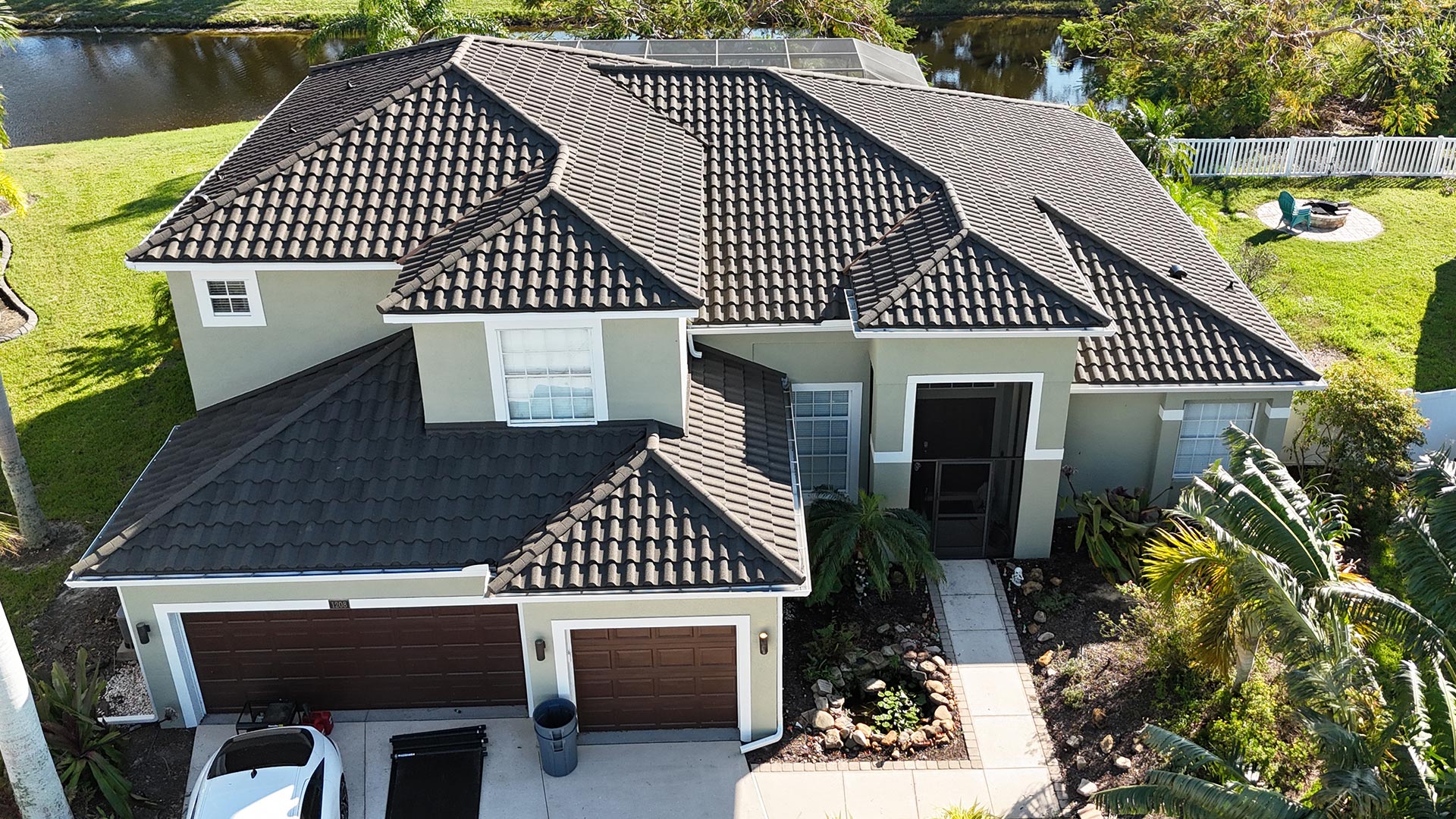
Concrete tiles are manufactured from a mixture of Portland cement, sand, water, and iron oxide pigments that are molded under high pressure and cured to create a dense, durable roofing material. They cost $10 to $15 per square foot installed in Orlando, making them the more affordable tile option for homeowners who want tile’s storm protection and longevity without the premium price of natural clay. Concrete tiles come in flat, low-profile, and high-profile barrel styles that can convincingly replicate the look of clay, natural slate, or wood shake depending on the profile and color you select.
With a lifespan of 40 to 50 years and Class A fire resistance [1], concrete tile offers excellent protection against Florida’s storms, heat, and fire risk from lightning strikes. Concrete tiles carry wind ratings of 125 to 150 mph when mechanically fastened per Florida Building Code requirements, providing hurricane protection that approaches what standing seam metal roofing delivers. The main limitation is that concrete tiles can fade over time as the surface pigment wears under Florida’s intense UV exposure, sometimes noticeably within 10 to 15 years. Some manufacturers offer premium coatings that extend color life, and concrete tiles can be painted or sealed to restore color, though this adds periodic maintenance cost.
How Does Clay Tile Roofing Perform in Orlando?
Clay tiles are the premium tile roofing option, crafted from natural clay that is kiln-fired at temperatures exceeding 2,000 degrees Fahrenheit. This firing process creates a tile with through-body color — meaning the color penetrates the entire thickness of the tile rather than sitting on the surface — so clay tiles will never fade even under decades of Florida’s punishing UV exposure. This permanent color is the single biggest advantage clay has over concrete and the primary reason it commands a premium price.
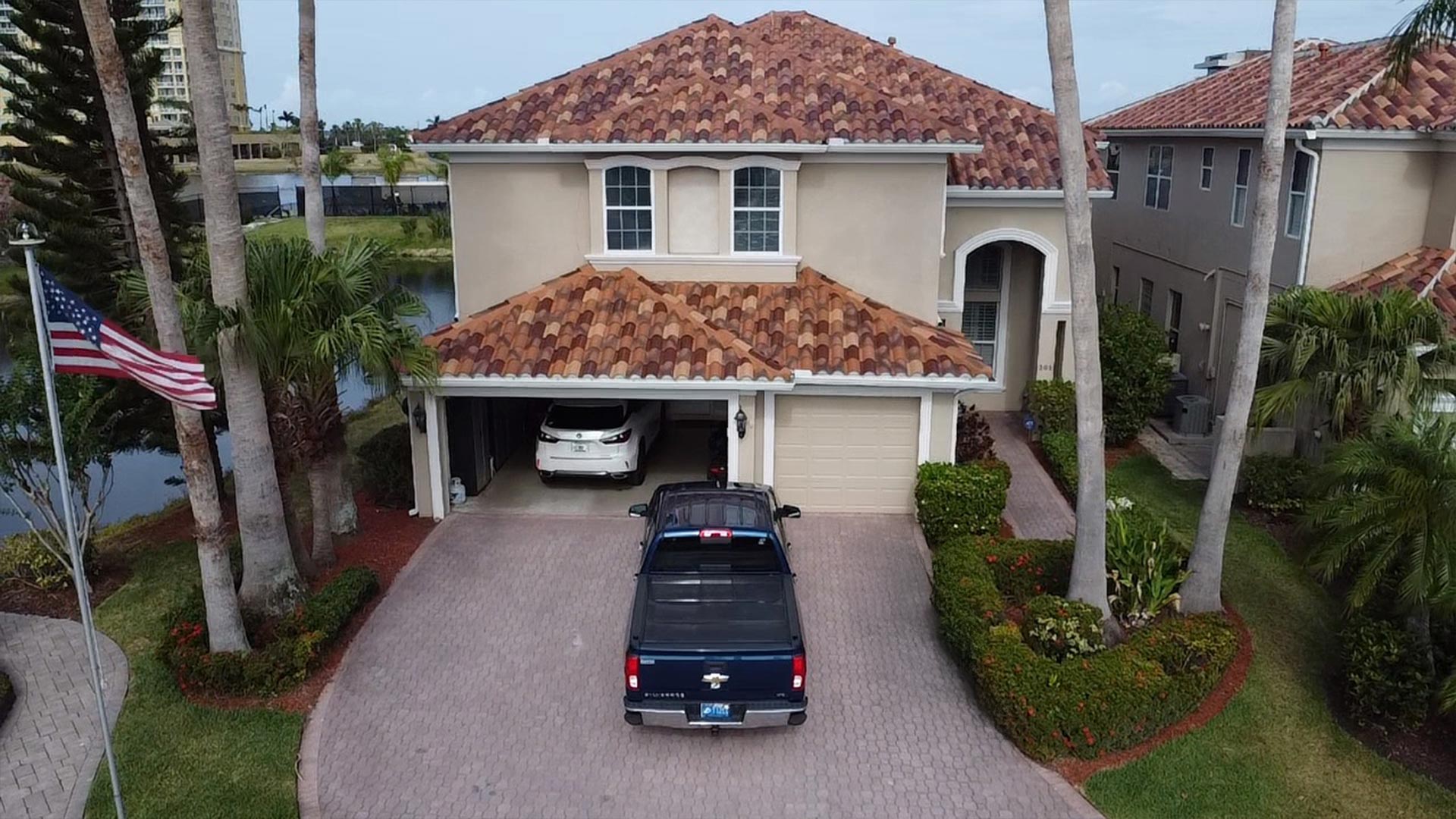
Clay tiles cost $12 to $21 per square foot installed in Orlando and can last 75 to 100 years or more with proper maintenance [2], making them the longest-lasting residential roofing material available. The natural earth tones ranging from terracotta reds and oranges to weathered browns and warm yellows, combined with the distinctive barrel or flat profiles, are prized in upscale Orlando and Winter Park neighborhoods. Clay tile is the specified standard in many HOA communities throughout Central Florida where architectural consistency and premium aesthetics are community priorities.
How Do Clay and Concrete Tile Compare Side by Side?
| Feature | Clay Tile | Concrete Tile |
|---|---|---|
| Cost Per Sq Ft Installed | $12-$21 | $10-$15 |
| Total Cost (2,000 sq ft roof) | $24,000-$42,000 | $20,000-$30,000 |
| Lifespan | 75-100+ years | 40-50 years |
| Cost Per Year of Service | $240-$560 | $400-$750 |
| Color Retention | Permanent (through-body) | Fades over 10-15 years |
| Weight Per Square | 800-1,100 lbs | 600-950 lbs |
| Wind Rating | 125-150 mph | 125-150 mph |
| Fire Rating | Class A | Class A |
| Profiles Available | Barrel, flat, S-tile | Barrel, flat, shake, slate |
| Maintenance | Low — inspect annually | Low — may need recoating |
The cost-per-year calculation reveals an important insight for Orlando homeowners making a long-term decision. Clay tile at $24,000 lasting 87 years averages roughly $276 per year. Concrete tile at $20,000 lasting 45 years averages $444 per year — and you will likely need a second concrete roof over the same period that clay covers with a single installation. When you factor in the avoided second replacement, clay tile can actually be the more economical choice for homeowners who plan to stay in their home long-term or who want to maximize the property’s roofing value for future owners.
How Much Does a Tile Roof Cost in Orlando?
For a standard 2,000-square-foot Orlando home, a concrete tile roof typically costs $20,000 to $30,000 fully installed including tear-off, underlayment, mechanical fastening, flashing, and all accessories. A clay tile roof on the same home ranges from $24,000 to $42,000 depending on the tile profile, manufacturer, and complexity of the roof design. Premium imported clay tiles from European manufacturers can push costs even higher for custom or historic applications.
These prices are significantly higher than asphalt shingle replacement which ranges from $11,000 to $18,000 for the same home, but the lifespan difference is substantial. If your home already has a tile roof and you are replacing tile with tile, costs may be lower if the existing underlayment and battens are in good condition and only the tiles themselves need replacement. For a complete comparison of tile versus all other material options, see our Orlando roofing materials guide.
Do Tile Roofs Require Structural Reinforcement in Orlando?
Both clay and concrete tile are significantly heavier than shingles or metal roofing, weighing 600 to 1,100 pounds per roofing square compared to 200 to 350 pounds for shingles [3]. Older Orlando homes originally built with shingle roofs may not have the structural capacity to support the additional load of tile without reinforcement to the trusses or rafters. A structural assessment before committing to tile is essential for any home that was not originally designed for tile roofing.
Structural reinforcement, when needed, typically involves sistering additional lumber alongside existing trusses or rafters to increase their load-bearing capacity. This work adds $1,000 to $5,000 to the project depending on the extent of reinforcement required and the accessibility of your attic space. Homes built in the last 20 to 25 years in Orlando are more likely to have been engineered with tile loading in mind, even if shingles were originally installed, because Florida building standards account for future material changes. Your contractor should verify structural capacity during the inspection phase before providing a final estimate.
How Do Tile Roofs Handle Orlando Hurricanes?
Properly installed tile roofing provides excellent hurricane resistance when fastened according to current Florida Building Code requirements. Modern tile installation in Florida uses mechanical fasteners — stainless steel screws or hurricane-rated clips — that secure each tile individually to the roof deck or batten system. This mechanical attachment has largely replaced the older mortar-set method that was common in Florida before updated codes required positive attachment.
The concern with tile roofs in hurricanes is not the tiles lifting off the roof when properly fastened, but rather individual tiles cracking from impact by airborne debris during a major storm. A cracked tile can be replaced individually without disturbing the surrounding tiles, which is a maintenance advantage over shingle roofs where patching often creates visible mismatches. After any hurricane or severe storm, have a licensed roofing professional inspect your tile roof from the roof surface rather than just from the ground, since hairline cracks in tiles are often invisible from ground level but can lead to water intrusion if not identified and replaced.
What About the Underlayment Beneath Tile Roofs?
One of the most misunderstood aspects of tile roofing is that the tiles themselves are not the primary waterproofing layer — the underlayment beneath the tiles is. While tiles shed the vast majority of water and protect the underlayment from UV degradation, the underlayment is what actually prevents water intrusion at the deck level. This matters because tile underlayment in Florida’s heat typically needs replacement every 20 to 25 years [4], even when the tiles themselves have decades of life remaining.
An underlayment replacement, sometimes called a re-felt or re-underlayment, involves carefully removing all tiles, replacing the deteriorated underlayment with new high-temperature synthetic material rated for Florida’s heat, and reinstalling the original tiles. This process costs significantly less than a full tile replacement — typically $8,000 to $15,000 for a standard Orlando home — because the tiles themselves are reused. Planning for this mid-life maintenance cost is important when budgeting for a tile roof since it is an expense that shingle and metal roofs do not incur.
Which Orlando Neighborhoods Require Tile Roofing?
Many HOA communities in Orlando and Winter Park specify tile roofing in their architectural guidelines, and some neighborhoods have near-universal tile roofing that creates a community aesthetic even without a formal requirement. Communities where tile is commonly required or strongly preferred include Baldwin Park, Windermere and Isleworth, the Ravaudage neighborhood in Winter Park, many communities along the Butler Chain of Lakes, and older Winter Park neighborhoods with Mediterranean and Spanish Colonial architecture.
Before selecting your tile type, profile, and color, review your HOA’s architectural review committee requirements. Some communities specify barrel profile tile only while others accept flat or S-tile profiles. Color ranges are often restricted to specific earth tone palettes. 3MG Roofing & Solar has extensive experience working within Orlando and Winter Park HOA guidelines and handles the approval submission process as part of our standard project management so you do not have to navigate the committee process yourself.
Why Choose 3MG for Tile Roofing in Orlando?
3MG Roofing & Solar installs both clay and concrete tile roofing systems across Orlando and Winter Park with crews experienced in the specific techniques that Florida’s building code requires for tile installation. Tile roofing is more complex and labor-intensive than shingle installation, and the quality of the installation determines whether your tile roof delivers its full potential lifespan or develops problems from improper attachment, flashing, or ventilation. We handle everything from structural assessment and HOA approval through permitting, installation, inspection, and warranty registration.
Frequently Asked Questions
Do tile roofs need regular maintenance in Florida?
Tile roofs are low maintenance but not maintenance-free. Annual professional inspections should check for cracked or shifted tiles, degraded underlayment around penetrations, debris buildup in valleys, and any biological growth. The tiles themselves last decades, but the underlayment beneath them typically needs replacement every 20 to 25 years, which is the most significant maintenance cost over a tile roof’s lifetime.
Can I walk on a tile roof safely?
Homeowners should avoid walking on tile roofs because tiles can crack under foot traffic, especially older tiles that have become more brittle with age. Professional roofers use specific stepping techniques, distributing weight on the lower third of each tile where it is supported by the tile below, and use foam-padded ladders and walkboards to navigate tile roofs without causing damage. Always hire a licensed professional for any tile roof inspection or repair.
Is tile roofing good for hurricane protection in Orlando?
Yes. Properly installed tile roofing with mechanical fasteners per current Florida Building Code provides excellent hurricane resistance with wind ratings of 125 to 150 mph. Tile roofs have performed well in Florida hurricanes when installed to current code standards. Individual tiles that crack from debris impact can be replaced without disturbing the surrounding installation.
Can I switch from shingles to tile on my Orlando home?
Yes, but a structural assessment is required first to confirm your roof framing can support the additional weight of tile. If reinforcement is needed, it adds $1,000 to $5,000 to the project. Homes built in the last 20 to 25 years in Central Florida are more likely to support tile without modification. Your contractor should evaluate structural capacity during the inspection before providing a final tile estimate.
How do I choose between clay and concrete tile for my Orlando home?
If permanent color, maximum lifespan, and premium aesthetics are priorities and budget allows, choose clay. If you want the tile look at a lower price point and are comfortable with potential recoating in 10 to 15 years, concrete is the practical choice. Both deliver excellent storm protection and longevity that far exceeds shingles. Your HOA requirements may also narrow the decision if they specify a particular tile type or profile.
References
- Tile Roofing Industry Alliance. “Concrete Roof Tile Guide.” tileroofing.org
- Tile Roofing Industry Alliance. “Clay Roof Tile Lifespan and Performance.” tileroofing.org
- Florida Building Code, 7th Edition. “Structural Loading for Roof Coverings.” floridabuilding.org
- National Roofing Contractors Association. “Tile Roofing Underlayment Best Practices.” nrca.net