



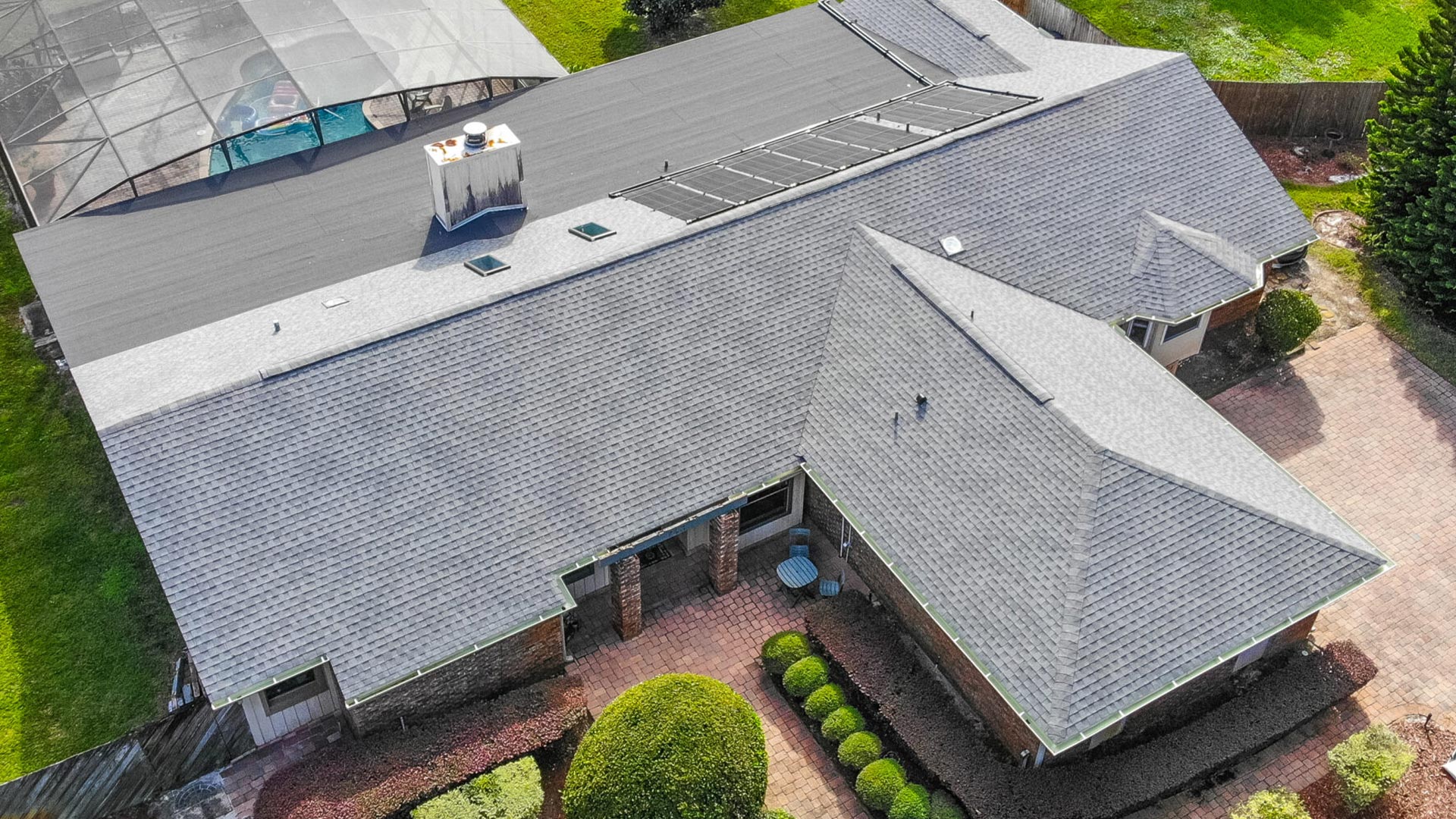
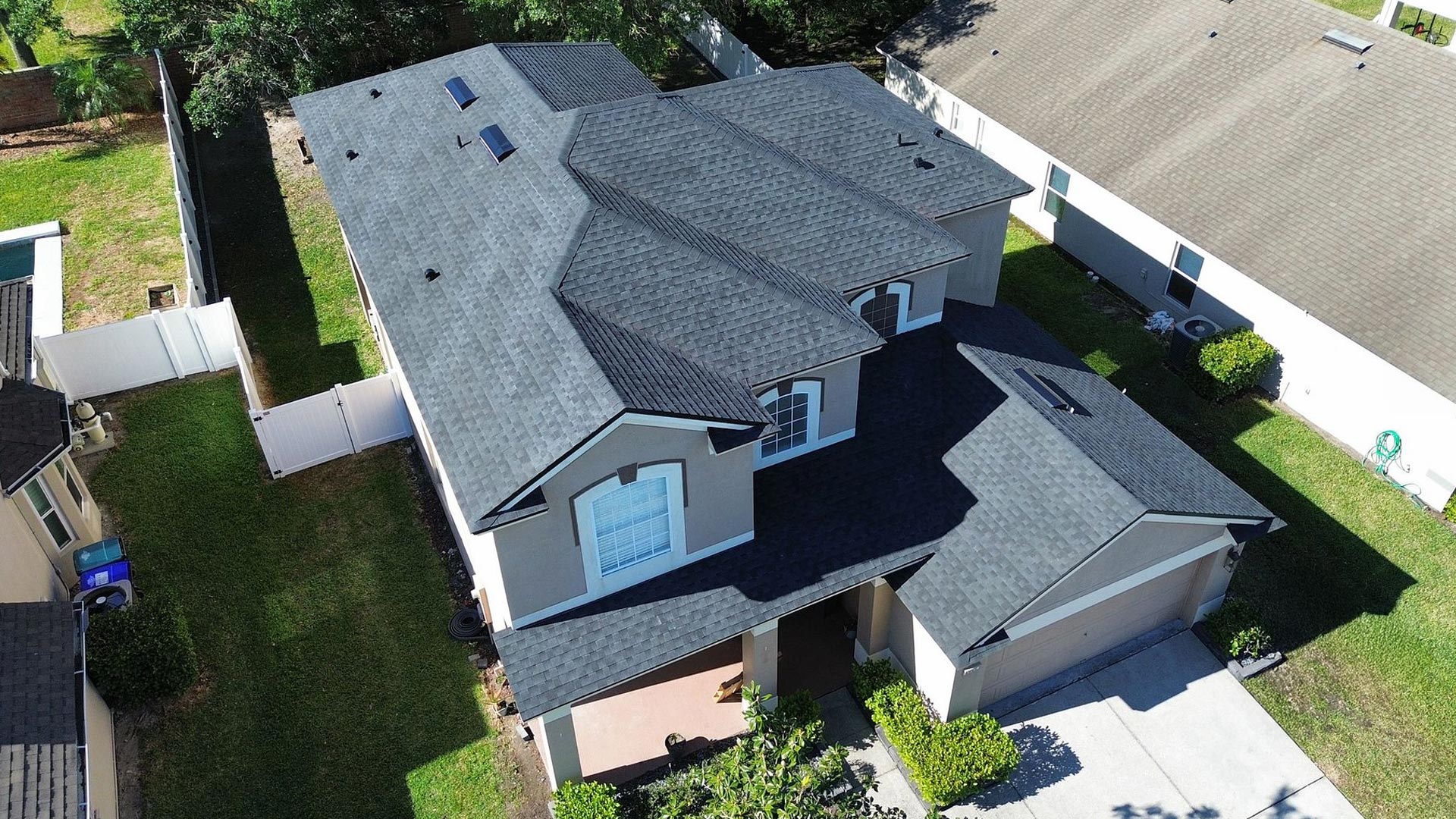

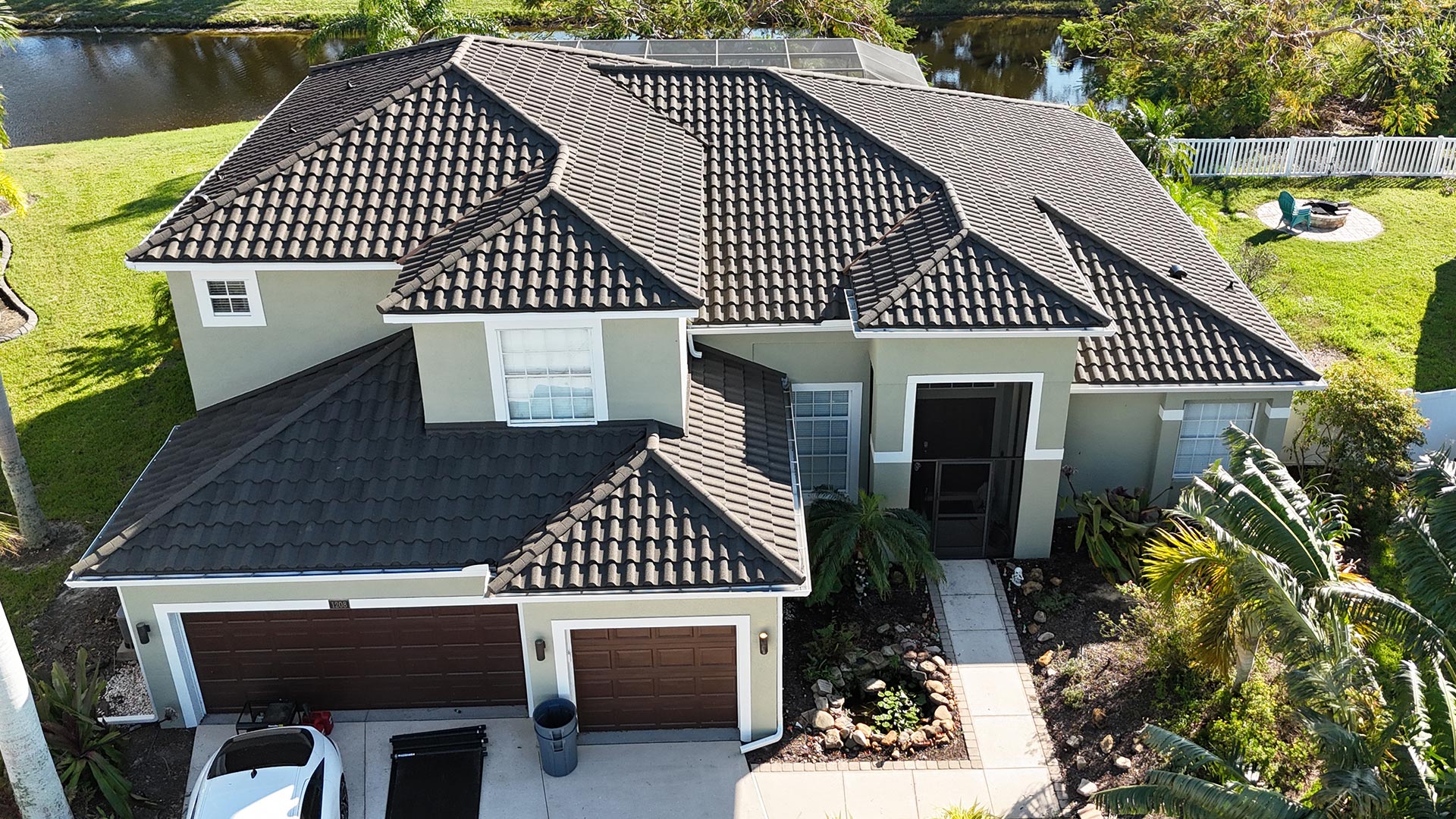
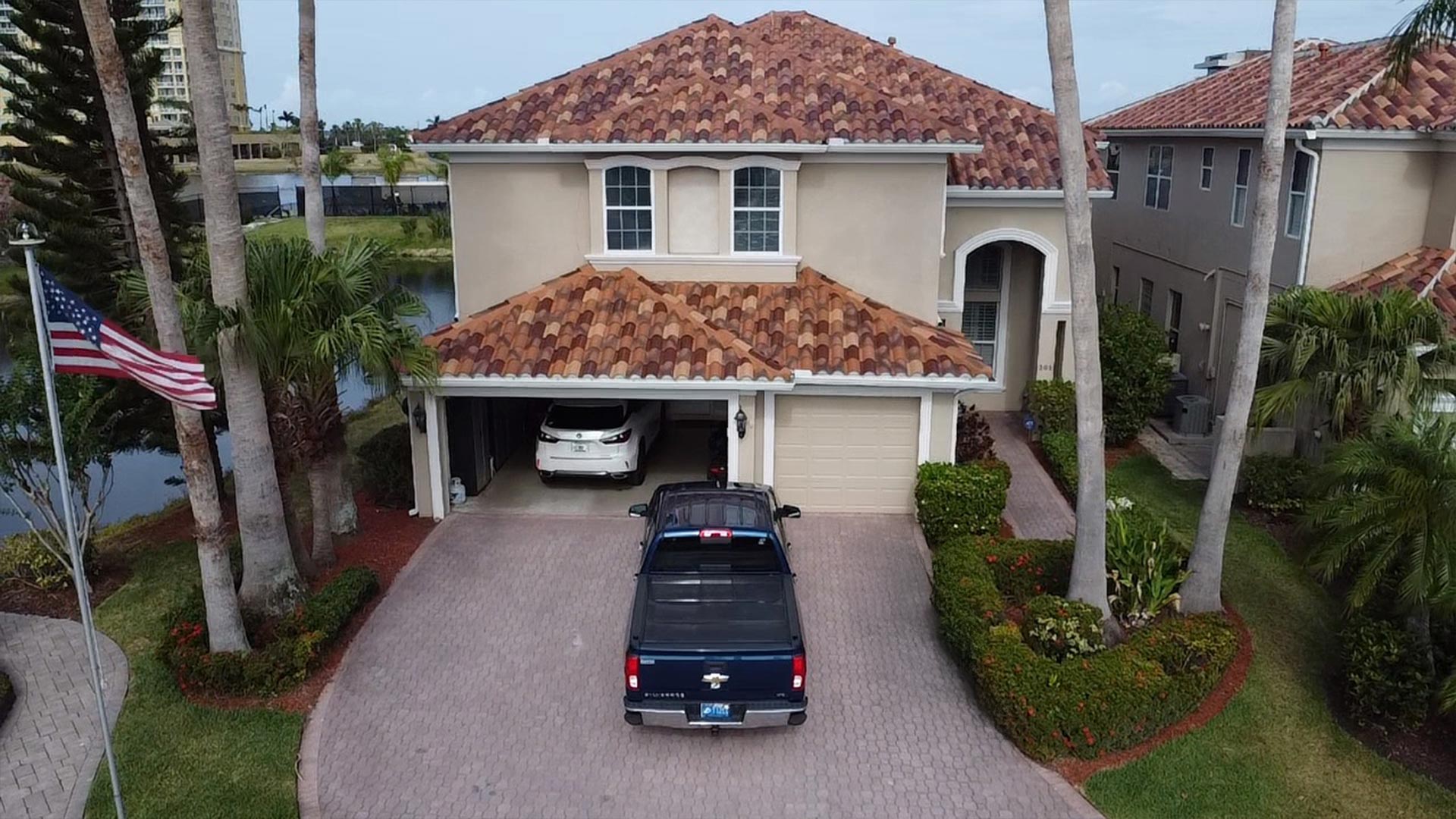
Can You Install A New Roof Over My Old One?: Installing a replacement roof on top of my existing one in Orlando, FL is something you can assist with?
3MG Roofing and Solar, a reputable roofing company in Orlando, FL, offers expert solutions for enhancing your roof’s durability and longevity. Our team of skilled professionals is well-versed in the process of adding an additional layer of roofing material to your existing roof structure. This technique not only provides an extra shield against harsh weather conditions but also helps improve energy efficiency and reduce maintenance costs in the long run.
Benefits of Installing a Second Layer of Roofing in Orlando, FL
When considering enhancing your roof in Orlando, FL, opting for a second layer of roofing material can bring about numerous advantages:
- Increased protection against environmental elements such as rain, wind, and UV rays
- Enhanced insulation properties, leading to better energy efficiency
- Cost-effective solution compared to a complete roof replacement
Additionally, by entrusting 3MG Roofing and Solar with your roofing needs, you can rest assured that the installation process will be carried out with precision and expertise. Our team prioritizes customer satisfaction and aims to deliver top-notch results that exceed expectations.
3MG Roofing and Solar 1127 Solana Ave First Floor, Winter Park, FL 32789, +13216385655
For more information – Click Here
Benefits of Roofing Over Your Existing Roof in Orlando
Layering a fresh shingle skin atop a sound, well-fastened deck can be a smart, swift maneuver in Central Florida’s stormy theater. In a city where afternoon squalls ambush job sites, an overlay trims exposure time, slashing tear-off delays and reducing the window for water intrusion. The extra course of material acts as a muffler against downpour drumming and street clatter, while adding modest thermal mass that steadies attic swings. Combine that with modern cool-pigment granules and you can shave peak attic temperatures by 5–12°F, curbing HVAC strain when the mercury and humidity tango. You’re also diverting heaps of old shingles from landfills—often 1–3 cubic yards saved per 10 squares—cutting waste without derailing curb appeal. In wind-prone corridors, correct fastening patterns, sealed edges, and starter-strip precision improve uplift resistance, a quiet ally when sea-breeze fronts whip gusts inland.
Speed isn’t the only dividend. With underlayment intact and decking verified dry, crews can focus on alignment, flashing finesse, and valley choreography rather than demolition logistics. Weight is typically manageable—about 2–4 pounds per square foot for an extra asphalt course—yet still demands a quick structural glance at truss spans, sheathing condition, and previous layers. In neighborhoods sensitive to noise and dust, the cleaner process keeps gardens, pools, and patios from becoming jobsite casualties. Schedule overlays ahead of the wet season (May–October, ~60–70% of annual rainfall) to capitalize on shorter install windows, and choose lighter-toned surfaces to mitigate radiant gain on south- and west-facing slopes.
Quick Metrics
- Typical added load: ~2–4 psf
- Potential attic temp drop: 5–12°F
- Landfill diversion: 10–30% per project
Pros and Cons
| Pros | Cons |
|---|---|
| Faster, cleaner installation | Not suitable over damaged substrates |
| Noise and heat moderation | Added weight requires evaluation |
| Waste reduction, lower disruption | Limited future tear-off simplicity |
Expert Tips
- Verify deck moisture with a meter; aim for ≤15% before covering.
- Use high-bond starters and sealed ridge lines for gust resistance.
- Upgrade intake and ridge ventilation to 1:150 net free area ratios.
Factors to Consider Before Adding a New Roof in Orlando
Orlando’s sky furnace, swampy air, and cyclone-prone gusts demand a roof plan that blends physics, finance, and foresight. Start with wind uplift: assemblies should document resistance in the 130–150 mph range, with ring-shank or SS fasteners and tight edge detailing to tame eave and ridge suction. Moisture is a silent saboteur; verify deck moisture content below 19%, confirm vapor behavior against dew-point migration, and pair intake and exhaust to meet 1:150 net free area—1:300 only with balanced, verified flow. The sun is a relentless torch; consider high-SRI surfaces, radiant barriers, and vented cavities to cut attic temperatures by 15–25°F, easing HVAC strain. Weight matters: calculate dead load (200–450 lb per square for common coverings) against truss spacing and span tables, not hope. In a lightning capital, integrate bonding paths and avoid mixed-metal shortcuts that invite galvanic feuds; specify G185 coatings or 300-series stainless in salt-tinged air. Code is a moving target—impact ratings, secondary water barriers, and drip-edge rules pivot with updates, so verify the latest local amendments before you commit. Summer deluges (May–Oct) shrink weather windows; sequencing, temporary dry-in layers, and material lead times reduce risk. Energy choices ripple: solar reflectance, thermal emittance, and airtightness can swing bills by double digits, while color, slope, and valley geometry steer water velocity and noise. Finally, think lifecycle: recycling pathways, tear-off weight for disposal, and insurer underwriting preferences can nudge style, slope, and fastening patterns more than aesthetics alone.
- Wind zone targeting: 130–150 mph
- NFA ventilation: 1:150
- Deck moisture: <19%
- Prioritize perimeter fastening.
- Balance intake/exhaust.
- Schedule outside peak storms.
| Pros | Cons |
|---|---|
| Lower cooling loads | Higher upfront detailing |
| Improved wind resistance | Narrow weather windows |
Types of Roofing Materials Suitable for Layering in Orlando
When considering layering new roofing materials in Orlando, it is important to choose materials that are lightweight yet durable to withstand the local climate conditions. Here are some suitable roofing materials:
- Asphalt Shingles:
- Pros: Affordable, easy to install, versatile in design options.
- Cons: Not the most environmentally friendly option, shorter lifespan compared to some alternatives.
- Metal Roofing:
- Pros: Long lifespan, excellent durability, energy-efficient.
- Cons: Higher initial cost, can be noisy during heavy rain or hail.
- Clay Tiles:
- Pros: Aesthetic appeal, long-lasting, low maintenance.
- Cons: Heavyweight, may require additional roof reinforcement.
Each type of roofing material offers its own set of advantages and drawbacks, so it is essential to consider factors such as cost, longevity, maintenance requirements, and aesthetic preferences when choosing the right material for layering in Orlando.
Understanding the Permit Requirements for Re-Roofing in Orlando
In Orlando’s mosaic of clay tiles, asphalt shingles, and gleaming metal panels, permits aren’t paperwork theater—they’re the gatekeeper for wind, water, and warranty integrity. The city and county apply the Florida Building Code (FBC) and ASCE 7 wind maps, meaning assemblies must match product approvals (Florida Product Approval FL# or Miami-Dade NOA) and list exact fasteners, underlayments, and edge metal. Expect three inspections: decking re-nail (often 8d ring-shank at 6 inches on-center at field, 4 inches on edges), dry-in, and final. Underlayment choices matter: two-ply ASTM D226 Type II felt or synthetic systems, with self-adhered ASTM D1970 membranes at valleys and penetrations to earn that secondary water barrier credit. Orlando’s ultimate design wind speeds hover around 140–150 mph; edge and corner zones demand higher fastener density and stronger uplift resistance—verify zoning pressures in drawings, not just brochures. Ventilation isn’t decorative: calculate net free area at 1:150 (or 1:300 with balanced intake/exhaust and baffles) to satisfy moisture, energy, and shingle temperature limits. Drip edge laps (minimum 2 inches), kick-out flashing at walls, and cricket requirements behind chimneys are inspected details, not niceties. If sheathing is 7/16 inch OSB, confirm panel span ratings and replace delaminated boards; inspectors reject spongy decks. Permit submittals typically include a site plan, scope narrative, product approvals, and if structure changes, a signed and sealed calc. Schedule inspections strategically—dry-in before forecasted rain—because failure can require tear-back. The smartest move: align the submittal precisely with the installation sequence so the field matches the file, line for line.
- Confirm wind zone pressures and zoning.
- Select FL# approvals matching slope and substrate.
- Submit scope, drawings, and approvals.
- Pass deck, dry-in, and final inspections.
- Pros: Code compliance, insurance eligibility, durability.
- Cons: Extra time, stricter detailing, inspection rework risk.
- Expert tip: Pre-label product bundles with FL# and lot numbers.
| Inspection | Focus | Typical Metrics |
|---|---|---|
| Deck | Nailing, substrate | 8d ring-shank, 6″/4″ |
| Dry-in | Underlayment, flashing | ASTM D226/D1970, laps ≥ 4″ |
| Final | Edges, penetrations | Drip edge laps ≥ 2″, vents balanced |
Tips for Hiring a Professional Roofing Contractor in Orlando
Credentials, Code, and Climate Savvy
In a city baked by ultraviolet glare and rattled by squalls, choose a roofer, tradesperson, or building outfit that treats wind, water, and heat as opposing teams to outmaneuver. Verify a current Florida license, active workers’ comp, and liability coverage; then press for permit handling and Florida Building Code wind-uplift compliance (think 130–150 mph design pressures). Ask how they stage work around the June–September deluge, and whether they measure attic breathability to the 1:150 or 1:300 net free ventilation rule to curb heat, humidity, and shingle fatigue.
Probe materials with precision, not buzzwords. Specify corrosion-resistant fasteners (ring-shank, hot-dip galvanized, or stainless), peel-and-stick or SBS-modified underlayments meeting relevant ASTM standards, and metal flashing in 26–24 gauge steel or 0.019–0.024 aluminum. Demand valley, chimney, and wall intersections be counterflashed, cricketed, and sealed, not merely caulked. For slopes near 4:12, confirm extra underlayment laps; for low pitches, require enhanced waterproofing layers. Insist on a written scope detailing tear-off depth, deck repair thresholds (e.g., replace any plank with >20% rot or >1/8 inch deflection), and fastener patterns per zone (field, perimeter, corner).
Scrutinize schedule, sequencing, and cleanup. Orlando breezes can scatter nails; request magnet sweeps in two passes and dumpsters with drip pans to protect driveways. Compare workmanship warranties in years and what triggers remedies, then tie payments to milestones: dry-in, inspection, punch list. A meticulous contractor, craftsperson, or crew chief will welcome this rigor—it filters pretenders, rewards pros, and keeps your roof, shell, and sanctuary resilient.
- Ask for moisture meter readings of deck (%MC before cover-up).
- Require photo documentation of hidden layers and flashing steps.
- Confirm algae-resistant granule ratings for humid neighborhoods.
- Interview on site.
- Review written scope.
- Validate code details.
- Stage weather windows.
- Inspect final.
| Pros | Cons |
|---|---|
| Code-aligned specs reduce storm loss. | Thorough vetting takes time. |
| Detailed scope curbs surprise change orders. | Premium materials raise upfront cost. |