




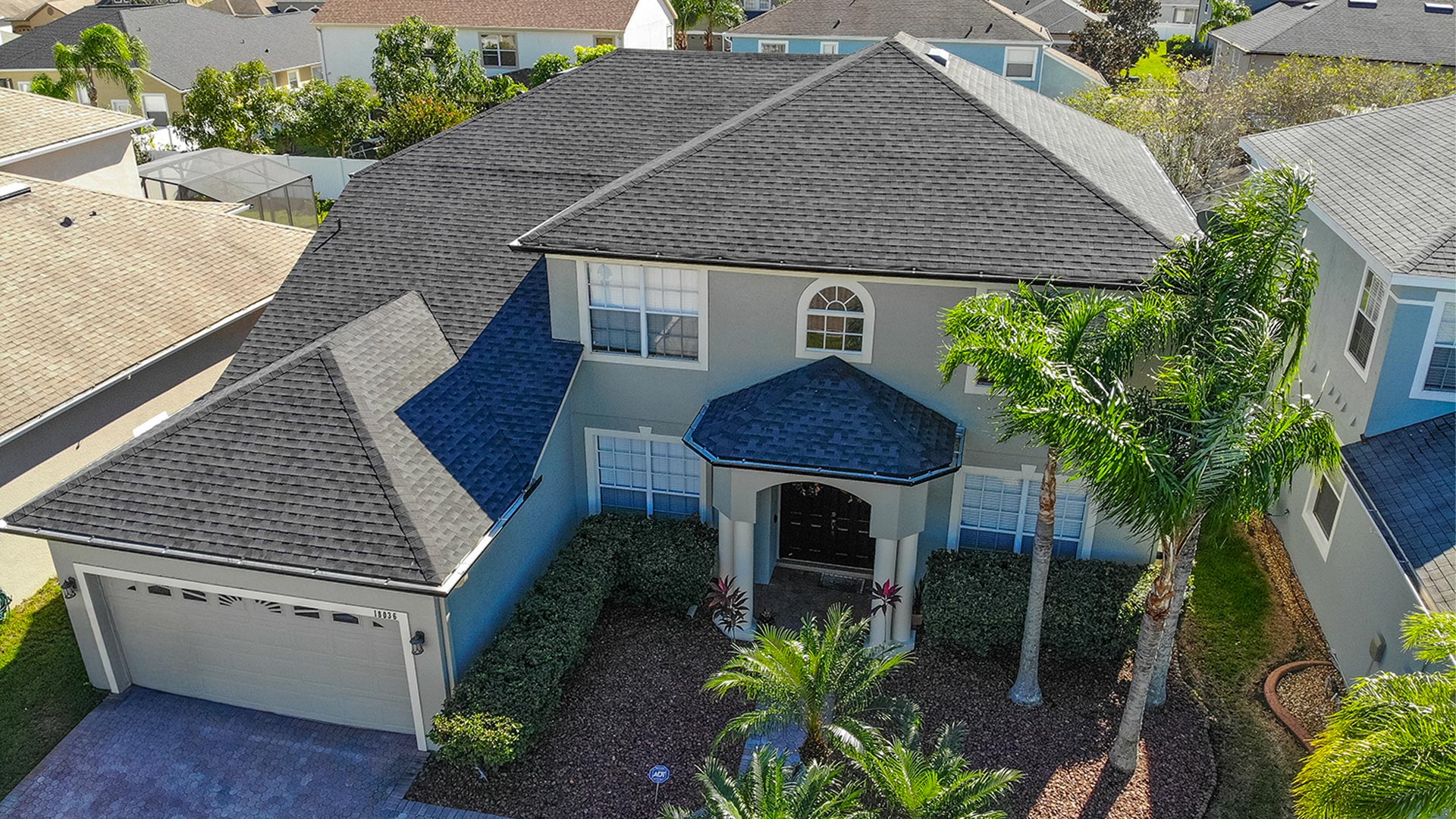

How Important Is Roof Ventilation?: Roof airflow is crucial for maintaining a comfortable indoor environment in Orlando, FL
3MG Roofing and Solar in Orlando, FL is here to assist you with all your roof ventilation needs. Our team of experts can offer valuable guidance on optimizing the airflow in your roofing system to improve its longevity and performance.
The Role of Proper Roof Ventilation in Extending Roof Lifespan
Proper roof ventilation plays a crucial role in enhancing the lifespan of your roof. It helps regulate temperature, prevent moisture buildup, and reduce the risk of damage from factors like mold and mildew. By allowing hot air to escape and cool air to enter, ventilation helps maintain the structural integrity of your roof over time.
Some key benefits of adequate roof ventilation include:
- Improved energy efficiency by reducing the strain on HVAC systems
- Prevention of ice dams in cold climates
- Enhanced indoor comfort by balancing temperature fluctuations
Furthermore, proper roof ventilation can contribute to a healthier indoor environment by reducing the likelihood of airborne pollutants and allergens accumulating in your home. It also plays a role in preserving the quality of roof materials, ultimately saving you money on costly repairs and replacements.
3MG Roofing and Solar 1127 Solana Ave First Floor, Winter Park, FL 32789, +13216385655
For more information – Click Here
Benefits of Adequate Attic Airflow for Home Energy Efficiency
When the roof deck breathes, the house exhales: balanced ridge-to-soffit exchange trims heat soak, dampens moisture swings, and stabilizes utility loads. In summer, a free-moving airstream peels off attic stratification, shrinking shingle surface temperatures by 10–25°F and easing compressor runtime. In winter, steady eave-to-peak circulation purges humid exhalations, curbing frost blooms and insulation slump, which keeps R-values honest. The payoff is compound: HVAC cycles smooth out, duct losses diminish, and interior comfort bands narrow, so thermostats drift less and bills follow suit. Pairing airtight ceilings with generous intake area prevents negative pressure from raiding conditioned rooms, while continuous exhaust along the ridge averts hot pockets near gables. Even solar gains get tamed: a cooler plenum lowers radiant backload on gypsum and joists, so rooms beneath feel less stuffy at dusk. Think of it as a pressure-neutral corridor where heat, vapor, and odors don’t linger—an invisible utility that lets insulation insulate and equipment rest. Quantitatively, targeting roughly 1 square foot of net free area per 300 square feet of attic floor—split evenly between intake and outlet—keeps air changes predictable without inviting weather indoors. In mixed climates, add baffles above dense-packed insulation to protect pathways, and verify pathways with a smoke pencil or anemometer rather than guesswork.
- Pros: steadier temperatures, reduced peak demand, longer shingle life
- Cons: poor balancing risks drafts, ice-dam misdiagnosis if air sealing is ignored
- Seal ceiling leaks first.
- Ensure clear soffit channels.
- Match exhaust length to intake capacity.
| Metric | Typical Gain | Note |
|---|---|---|
| Attic ΔT drop | 10–25°F | Summer peak |
| HVAC runtime | 5–15% less | House-tight dependent |
Understanding the Impact of Roof Ventilation on Indoor Air Quality
Air inside a home rises, stagnates, and recirculates in the attic, loft, and ceiling void, carrying vapor, warmth, and fumes upward like a slow chimney. When the roof assembly breathes efficiently, that airstream thins moisture, dilutes pollutants, and trims heat load; when it suffocates, dampness accumulates, spores bloom, and stale odors linger. The result for occupants is measurable: relative humidity spikes above 60%, CO2 drifts beyond 1,000 ppm, and airborne particles resettle in bedrooms and hallways. Balanced intake and exhaust across eaves, ridges, and gables create gentle pressure differentials that move roughly 4–8 air changes per hour in the upper plenum, lowering dew point on sheathing and preventing condensation that feeds mites, mold, and mustiness. Thoughtful pathways also keep summertime stratification in check, reducing radiant back‑warming to the rooms below by several degrees Fahrenheit and easing the burden on fans, blowers, and compressors. In winter, a cool, dry attic reduces ice-dam risk, protecting insulation performance so it stays fluffy, not soggy, and continues to resist heat flow at its rated R‑value. Materials matter: vapor‑open underlays, baffled channels, and airtight ceilings prevent the “short circuit” of conditioned air while still letting the assembly purge humidity. Monitoring is simple yet revealing: track RH% and temperature at rafters, not just in the living room; log VOCs after rainy weeks; and note odor persistence after cooking or showers. A clearer roof airstream yields cleaner lungs, calmer sinuses, and quieter, less clammy rooms. Expect fewer allergens, steadier comfort, and lower energy peaks on sweltering days.
Key Targets and Effects
| Metric | Target Range | What It Signals |
|---|---|---|
| Relative Humidity | 40–55% living areas; 30–50% attic | Lower condensation risk; reduced microbial growth |
| CO2 | < 1,000 ppm | Adequate air movement and dilution |
| Attic ACH | 4–8 air changes/hour | Effective moisture and heat purge |
Pros and Cons
- Pro: Drier sheathing, cleaner IAQ, steadier temperatures.
- Pro: Less odor carryover, fewer dust mites and mold spores.
- Con: Poorly balanced flows can draw conditioned air from rooms.
- Con: Undersized inlets or blocked paths reduce real-world performance.
Expert Tips
- Verify continuous intake at eaves and uninterrupted outflow at ridge or high vents.
- Air-seal the ceiling plane; then add baffles to keep pathways unobstructed.
- Place RH/temperature sensors near rafters and compare to hallway readings weekly.

Common Signs of Poor Roof Ventilation in Orlando Homes
In Central Florida’s steamy belt, a stifled attic telegraphs distress through heat, haze, and hidden rot. Start with the nose: a musty, swampy odor drifting from the hatch often means vapor entrapment and fungi feasting on sheathing. Eyes next—shingle surfaces with blisters, curling tabs, or granular bald spots signal a sauna under the deck cooking the asphalt. Inside, watch for ghostly lines on insulation, dark nail shanks “raining” rust, or plywood panels with tea-colored stains and coffee-ring halos. Thermometers don’t lie: attic air routinely spiking above 120–140°F at 3 p.m., or relative humidity hovering >60%, points to suffocated airflow. In bedrooms below, a moody thermostat—AC short-cycling, rooms running clammy despite cooling, or vents sweating—indicates the machine is battling a hot lid overhead. Winter is subtle here, but even brief cold snaps can seed condensation on fasteners, then drip marks bloom when warmth returns. Paint that peels on fascia, swollen trim, and crunchy soffit panels hint at exhalation failure at the eaves. Look closely at ridge lines: dust stripes, wasp nests, or paint overspray sealing vents choke the spine of the roof. Salt air and storms accelerate the drama; wind-driven rain finds unvented cavities and lingers, inviting termites and tarnish. Measure moisture content in roof deck with a meter; numbers topping 16–18% deserve scrutiny. Finally, energy bills that leapfrog 10–25% versus shoulder seasons often mirror a bake-oven attic. The remedy path always starts with airflow math, balanced intake-to-exhaust pathways, and clear escape routes for heat, vapor, and pressure.
Quick Checks
- Attic temp at peak afternoon: >130°F = red flag
- Rusty nails, damp insulation, mildew flecks on rafters
- Curled shingles, soft spots near ridge, sweaty ducts
Pros and Cons of Addressing It Early
| Pros | Cons |
|---|---|
| Lower AC load, longer shingle life | Upfront assessment effort |
| Healthier air, drier structure | Possible retrofit constraints |
- Tip: Log attic RH/temperature for 7 days to spot patterns.
- Tip: Verify soffit paths aren’t stuffed with paint, insulation, or nests.
Importance of Proper Roof Ventilation in Preventing Mold and Mildew
Moisture’s favorite hideout is the attic—the house’s lungs and chimney-crown combined—where warm indoor breath collides with winter chill, condensing into film, droplets, and eventually fuzzy colonies. When air movement is balanced from eave to ridge, vapor pressure equalizes, sheathing dries faster, and spores lose their foothold. Neglect that balance and the deck becomes a petri dish: rafters darken, insulation slumps, and shingles age in dog years. The science is simple yet subtle: keep relative humidity beneath 50%, cap dew-point spikes, and maintain continuous airflow of roughly 1:300 net free area to roof deck ratio, or 1:150 when a vapor retarder is absent. Pair low intake with high exhaust, avoid dead-end cavities, and treat bathroom and kitchen fans as express lanes to the outdoors, not cul-de-sacs in the soffit. Temperature moderation is a bonus; by bleeding off heat reservoirs, you discourage ice dams that backflood under shingles and feed the very dampness you’re trying to starve. Counterintuitively, sealing air leaks tightens the building yet helps the roof breathe better: less interior steam escapes, so vents manage exterior-sourced damp rather than a sauna. Use a hygrometer and data logger, scan sheathing with a pinless meter (aim for ≤15% MC), and inspect for salt-like efflorescence, a mildew accomplice. Balanced design beats brute-force fans, which can depressurize and pull conditioned air from living rooms. In short, disciplined airflow, measured dryness, and sealed pathways team up to keep the crown dry, the bones sound, and mold looking elsewhere for a home. Specify baffles to preserve intake, extend vents past snow lines, and separate combustion appliances to prevent backdrafts that transport damp flue gases.
- Pros: dries assemblies, limits spores, curbs ice dams
- Cons: poor design can short-circuit flow, depressurize rooms
- Tip: Target ≤50% RH and ≤15% wood moisture content.
- Tip: Air-seal ceilings before adding vents and insulation.
- Tip: Keep 1–2 in. baffle clearances at eaves.
| Metric | Target | Reason |
|---|---|---|
| NFA ratio | 1:300 (or 1:150) | Balances intake/exhaust |
| Attic delta-T | Within 10–15°F of ambient | Limits condensation risk |
| Air changes | 3–6 per hour (attic) | Flushes humid pockets |
How Roof Ventilation Affects the Cooling Efficiency of Your Home
Think of the attic as a pressure cooker sitting under a shingled lid: when sunload drives surface temps past 150°F, trapped heat radiates through the ceiling, forcing your AC to battle a relentless thermal tide. Balanced inlets and outlets create a low-resistance pathway that siphons off that plume, trimming attic air by 10–30°F (5–17°C) and cutting conductive and radiant gains into rooms below. The payoff is quieter compressors, longer cycle intervals, and fewer hot spots at the hallway cap. Airflow isn’t magic; it’s math. Pair net free area with roof geometry and regional humidity, then size vents to meet the pressure drop your soffits and ridge can realistically sustain. Too little intake starves exhaust; too much exhaust with scant intake pulls conditioned air out of the living space, a sneaky energy leak. Dark roofs with low albedo magnify the penalty; reflective membranes reduce the burden but still benefit from a convective exit ramp. In mixed climates, smart venting purges moisture overnight, curbing latent loads that make ducts sweat and insulation clump. In arid zones, a steady purge stream prevents attic stratification so the air handler breathes cooler, denser air. Pairing baffles with continuous soffits prevents wind-driven rain intrusion while preserving the stack effect on calm days. Aim for airtight ceilings first, then ventilate the plenum, so the breeze carries heat outdoors, not your chilled air into the rafters.
- Attic delta-T drop: 10–30°F (5–17°C)
- Measured airflow target: 1–2 CFM/ft²
- Ceiling leakage reduction compounds savings
- Seal top plates, can lights, and chases before adding vents.
- Match intake NFA to ridge/higher exhaust to avoid negative pressure indoors.
- Verify airflow with smoke pens or tracer temps at midday.
| Aspect | Pros | Cons |
|---|---|---|
| Ridge + soffit | Uniform sweep, passive, quiet | Needs continuous intake |
| Gable vents | Simple retrofit | Uneven flow, wind-sensitive |
| Thermostatic fans | High purge on peaks | Backdraft risk, power draw |