



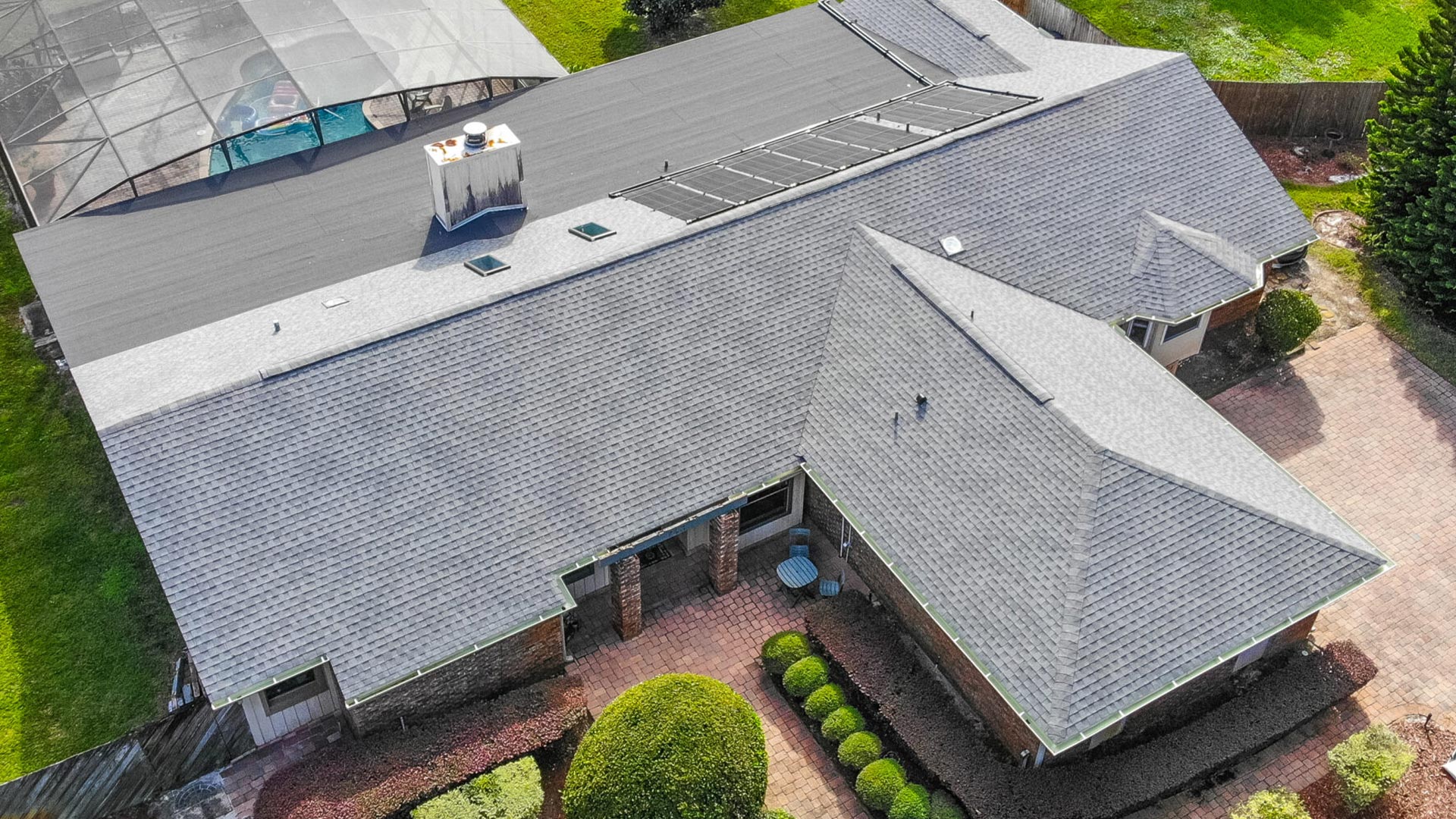
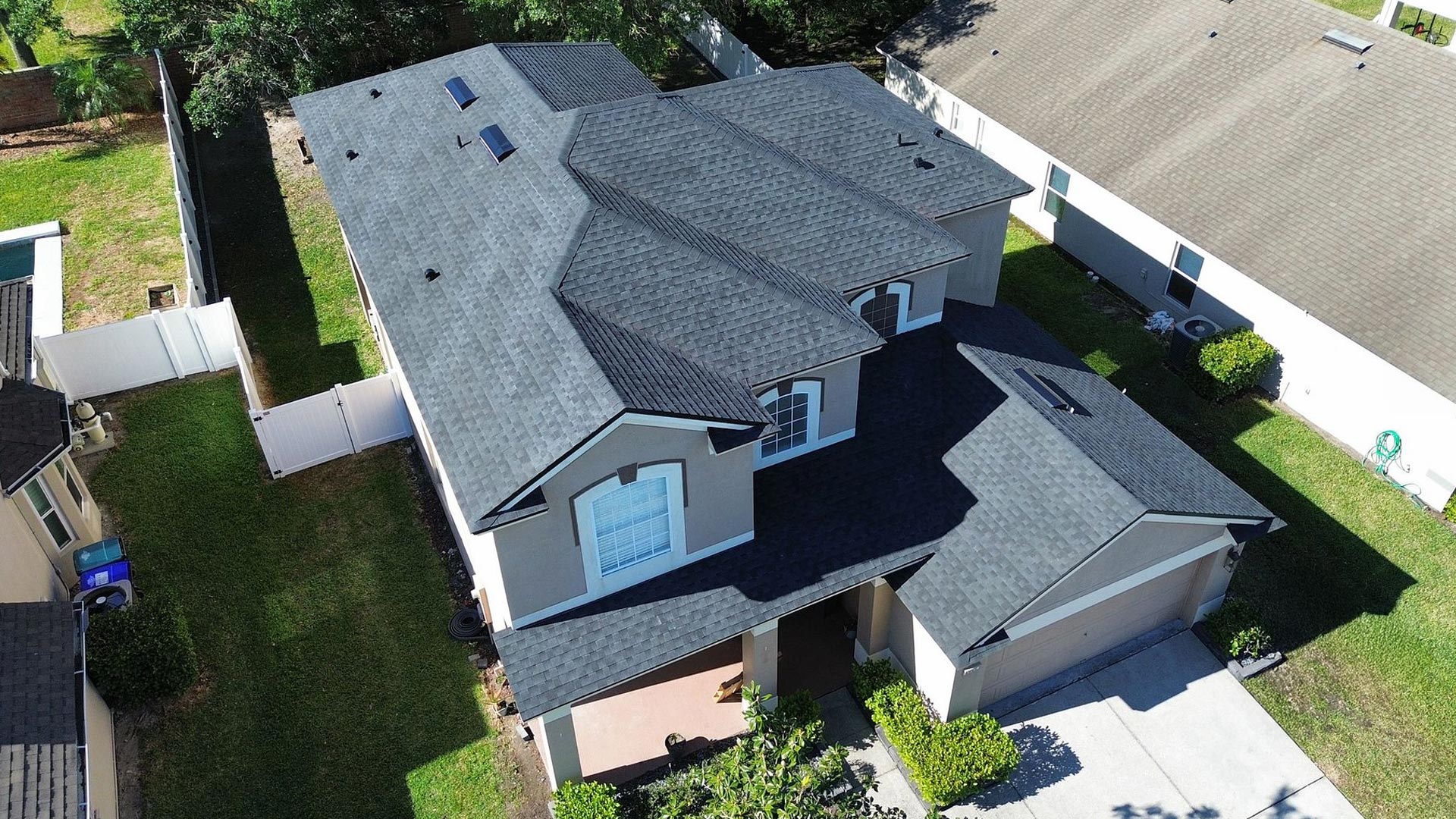

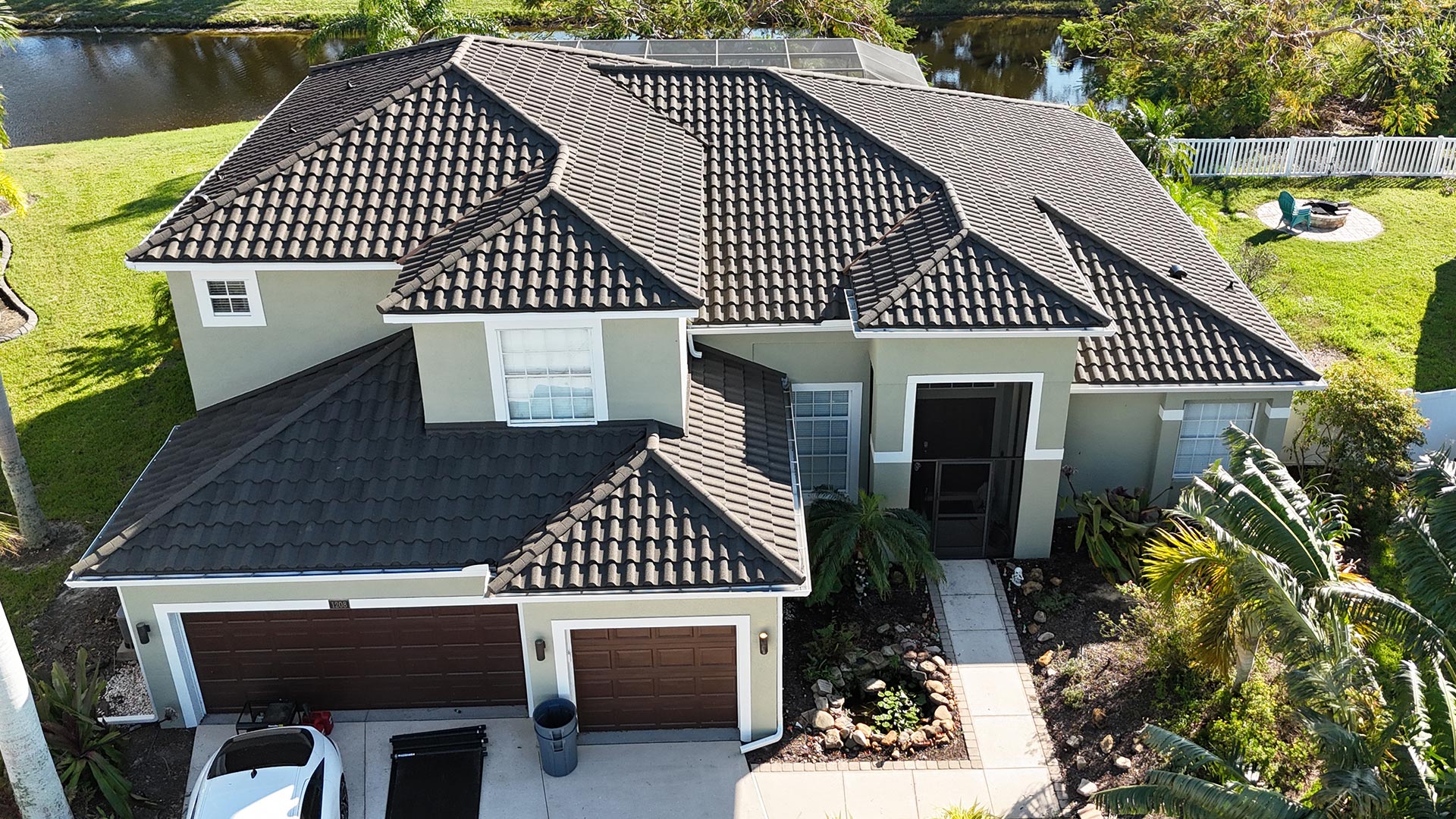
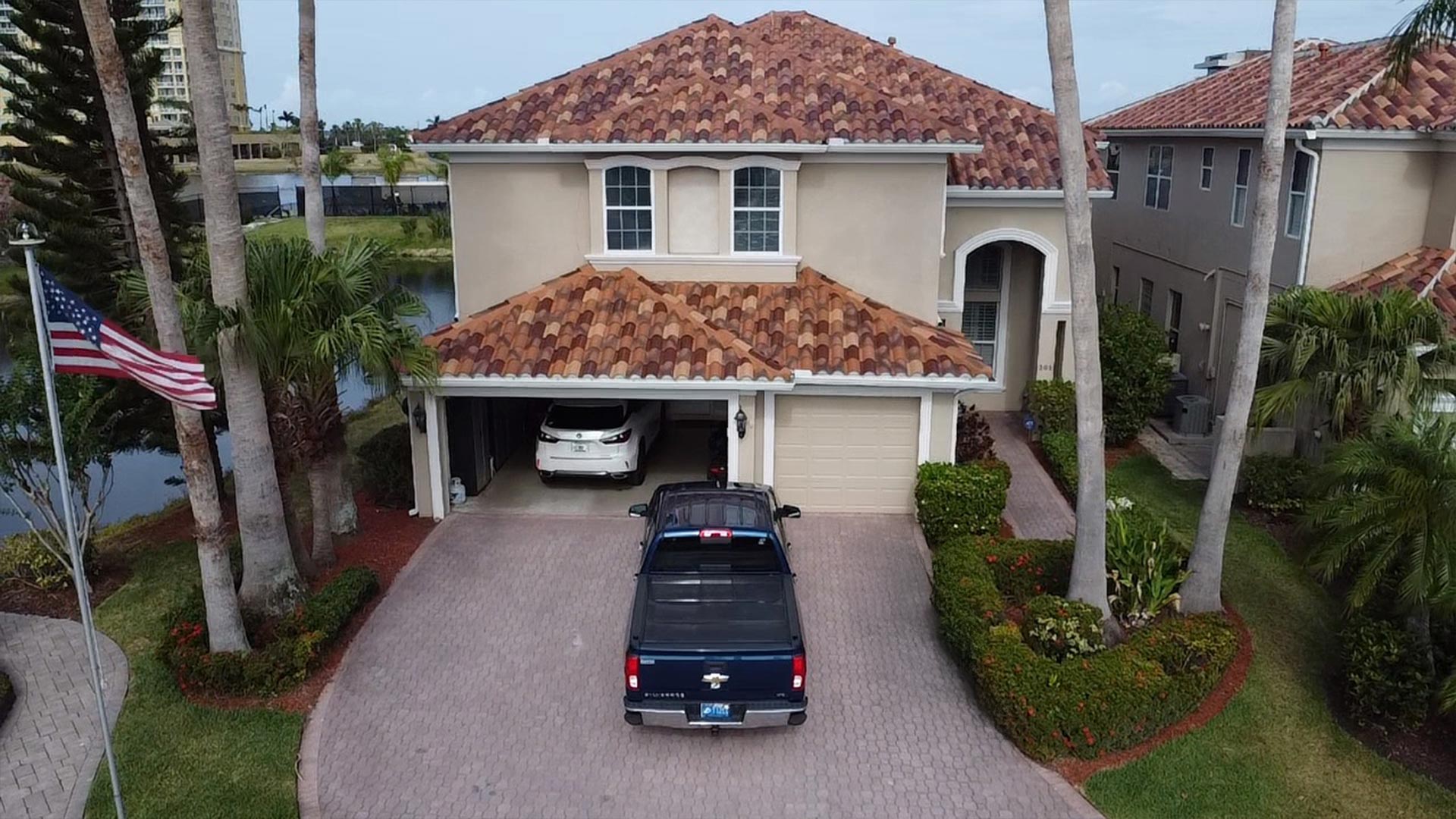
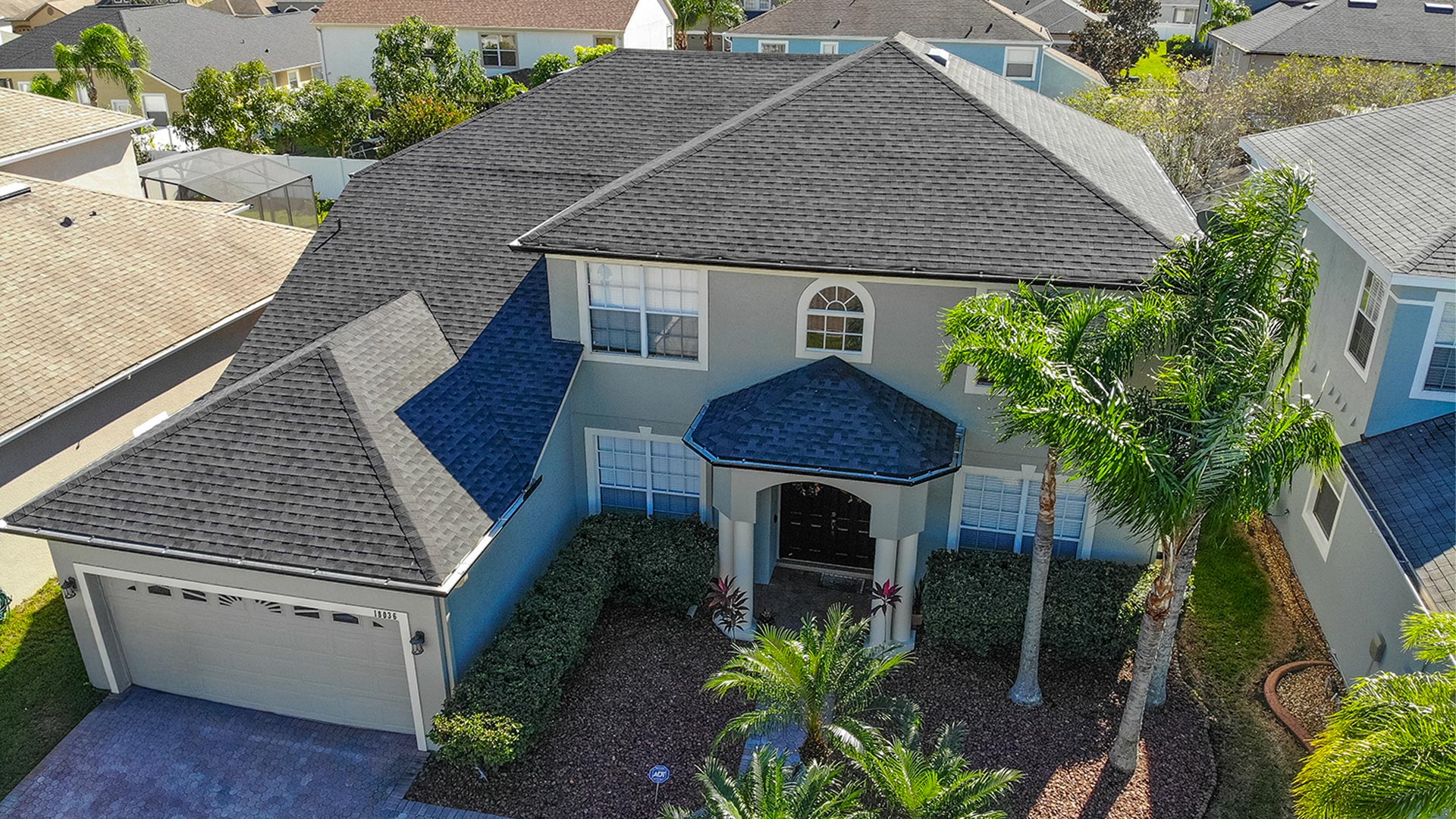

What Does A Roofing Warranty Actually Cover?: A roofing guarantee in Orlando, FL typically includes coverage for material defects and workmanship issues
3MG Roofing and Solar in Orlando, FL helps homeowners untangle every twist, turn, and tangle of “what a roofing guarantee truly includes,” translating fine print, decoding exclusions, and spotlighting leverage you can use. Our crew reviews workmanship pledges, material assurances, and wind-uplift promises, contrasting coverage, carve-outs, and cutoffs with streetwise clarity. We audit documents, verify proration schedules, and map claim timelines, so surprises, snags, and snares don’t hijack your peace of mind. From storm-scarred shingles to sun-baked sealants, we pinpoint what’s protected, what’s omitted, and what’s negotiable, aligning attic-to-asphalt realities with paperwork promises. Need guidance on transfer terms, algae clauses, or solar integration language? We parse the legalese, test assumptions, and deliver crisp, concrete, court-ready interpretations, ensuring your questions about what a roofing guarantee actually includes in practice get practical, usable answers.
Understanding the Scope of Your Roof Warranty in Orlando, FL
In steamy, storm-prone Orlando, a roof promise lives or dies on definitions: materials versus labor, wind versus water, defect versus damage. Read the certificate, not the carton; the contract, not the catalog. Material protections typically target manufacturing flaws—granule loss, shingle blistering, underlayment delamination—while workmanship pledges govern installation errors: crooked flashing, lazy fasteners, leaky penetrations. Big print trumpets longevity; small print whispers exclusions—ponding, prior damage, improper ventilation, unapproved add-ons. Wind ratings (measured in miles-per-hour and uplift tests) matter when squalls roar; so do algae terms, which often tackle staining but not structural harm. Proration schedules can shrink remedies over time, trading day-one replacement for later-year fractions. Transferability can boost resale, but deadlines, fees, and one-time limits may narrow that bridge. Solar arrays, skylights, and satellite hardware can be covered, excluded, or contingent on approved methods, torque limits, and sealant specs. Claims thrive on evidence: photos, invoices, inspection notes, weather reports; missing proof can sink an otherwise solid case. Local code cycles, Florida product approvals, and high-velocity hurricane zone standards shape what’s considered correct practice, influencing outcomes. Distinguish seepage from surge, intrusion from condensation, because cause determines cure. When in doubt, align the manufacturer’s booklet with the installer’s agreement—concordance strengthens your position; contradiction requires negotiation.
- Confirm who warrants what: maker, installer, or both.
- Log timelines: notice windows, inspection dates, filings.
- Document conditions: before, during, after weather events.
| Term | Meaning |
|---|---|
| Prorated | Benefit declines as years accrue |
| Transferable | Coverage can move to a new owner |
| Workmanship | Installation quality is guaranteed |
3MG Roofing and Solar 1127 Solana Ave First Floor, Winter Park, FL 32789, +13216385655
For more information – Click Here
Common Misconceptions About Roofing Warranties Explained
Many homeowners assume every leak, creak, or streak is automatically shielded by a roof promise, yet the fine print often separates factory defects from craft missteps. Material pledges usually address premature shingle fatigue, granule loss, or membrane blistering tied to formulation, while workmanship assurances hinge on installation precision—flashing laps, fastener depth, and seam alignment. Storm drama is another myth magnet: wind ratings (e.g., 110 mph) are conditional on fastening patterns and deck integrity, not merely the label on the bundle. Another confusion: transfer rules. Some agreements shrink from lifetime to a fixed term at resale, or require notice within 30 days, making silence an accidental forfeiture. Algae stains? Many plans treat them as cosmetic, not functional, meaning the roof might pass a water test yet fail a curb-appeal test. Finally, prorating surprises people; after year 10 or 15, the manufacturer may only shoulder a fraction of material value, excluding tear-off or disposal (often 2–3 mm membrane scraps weigh in at measurable haul-away costs). Read the matrix, verify the installer’s credentialing, and document ventilation (1:300 ratio) to keep the guarantee alive.
| Warranty Type | Primary Scope | Typical Limits |
|---|---|---|
| Material | Factory-related defects | Prorated after 10–15 years |
| Workmanship | Installation errors | Shorter term (2–10 years) |
| Weather | Specified wind/hail criteria | Requires compliant attachment |
- Expert tip: Photograph underlayment, nail patterns, and intake/exhaust vents at install.
- Expert tip: Log attic humidity (≤60%) to deter deck distortion and mold claims denial.
- Expert tip: Register serials and keep invoices within 7 days to lock eligibility.
- Pros: Predictable remedy path; material replacement value; defined wind benchmarks.
- Cons: Proration cuts reimbursement; exclusions for ponding ≥0.5 in; transfer hoops.
How Weather Factors Impact Your Roof Warranty Coverage
Storms, sunbursts, and cold snaps don’t just batter shingles; they test the fine print, the promises, and the protections tied to your rooftop pact. Wind events are double-edged: moderate gusts (35–55 mph) usually reveal fastening or nailing patterns, while gales over 60 mph may trigger exclusions unless the system was rated for uplift resistance per ASTM/UL metrics. Hail isn’t binary either—grain-sized pellets rough up granules, but golf-ball strikes can bruise mats and void assurances if pre-inspection photos, slope notes, and ice-shield details are missing. Heat waves cook adhesives, accelerate asphalt oxidation, and magnify attic temperatures by 20–40°F, which can be argued as “environmental stress” unless ventilation math (1:150 or better, balanced intake/exhaust) is documented. Freeze–thaw cycles exploit micro-cracks; without eave protection extending 24 in. past warm walls and sealed valleys, leak claims are often reclassified as “design gaps.” Salt spray near coasts, desert sand abrasion, and high-altitude UV (up to 25% higher irradiance) can each move a claim from material flaw to “site severity” unless the installed assembly matches the climate zone’s tested class. The real lever is evidence: jobsite photos, nail pattern verification (four vs. six per shingle), underlayment grade (ASTM D226/D4869), deck moisture readings (<16%), and ventilation calculations serve as your ledger, not just your shield. Pair that with documented storm data (NOAA wind speeds, hail diameter, rainfall totals) to bridge cause and performance—the difference between enforceable guarantees and polite denials often lives in those numbers and the architecture beneath the ridge.
Field Cues and Decisions
- Wind uplift thresholds: 90–130 mph ratings vs. recorded gusts
- Hail diameter: 1.0 in., 1.5 in., 2.0 in. impact expectations
- UV load: latitude, altitude, and reflectance interplay
- Collect dated photos before and after storms.
- Log ventilation ratios and attic temps.
- Match site severity to tested assemblies.
| Pros | Cons |
|---|---|
| Quantified records strengthen claims | Missing data shifts fault to installation |
| Climate-aligned assemblies withstand extremes | Mismatched ratings trigger exclusions |
- Expert tip: Verify six-nail zones on windward slopes and document with closeups.
Key Differences Between Material Warranty and Workmanship Warranty
A material pledge, product guarantee, or factory backstop focuses on the stuff itself—the shingles, membranes, fasteners, and coatings—the raw goods, the components, the hardware. It speaks to defects, flaws, and manufacturing hiccups, not to miscuts, misalignments, or sloppy seams. A workmanship promise, labor assurance, or installer covenant safeguards the craft, the fit, the assembly—the hands, tools, and technique. One addresses chemistry and composition; the other polices methods and means. Material terms often run long—20, 30, even 50 years—yet may prorate, taper, or sunset; labor protections usually run shorter, 1–10 years, sometimes with tiered triggers. Heat-cycling, UV decay, and granule loss fall under material umbrellas; wrinkled laps, under-driven nails, and crooked courses sit squarely in the installer camp.
Failure diagnosis, fault allocation, and burden of proof diverge, too. If a blister, bubble, or pinhole stems from resin issues, the factory is the address; if ponding exists due to poor slope, bad taper, or uneven substrate, the crew bears scrutiny. Transfer rules differ: some product pledges pass once, some never; labor terms may be non-transferable, one-owner, or time-limited. Wind uplift ratings (e.g., 110–130 mph), thermal shock thresholds, and ASTM/UL stamps bolster material standing; code compliance, fastener patterns (4–6 per shingle), and flashing geometry underpin workmanship strength. Claims hinge on the paper trail—specs, photos, moisture scans—because exclusion lists can be long: foot traffic, hail beyond impact class, or add-on equipment penetrations. Smart buyers tie both promises together, aligning timelines, remedies, and dispute paths to avoid gray zones.
- Pros (Material): long term, lab-tested, clear specs
- Cons (Material): proration, limited remedies
- Pros (Workmanship): fixes fit/finish errors
- Cons (Workmanship): shorter term, proof hurdles
- Demand written nailing patterns (e.g., 6 nails, 1 in from edges).
- Specify wind rating ≥120 mph and ice-barrier coverage ≥24 in beyond interior wall.
- Require slope verification: 1/4 in per ft minimum on low-slope areas.
| Aspect | Material | Workmanship |
|---|---|---|
| Primary Risk | Defective goods | Installation error |
| Typical Term | 20–50 yrs, prorated | 1–10 yrs, non-prorated |
| Remedy | Materials, limited labor | Repair/reinstall labor |
Maximizing the Benefits of Your Roof Warranty with Proper Maintenance
Think of the roof as armor, umbrella, and thermal lid: it thrives when small issues are hunted early, logged clearly, and corrected precisely. Schedule seasonal surveys—spring/thaw and fall/freeze—so shingles, seams, and flashing get a fast scan, a slow look, and a measured check. Aim for dry, clean, unobstructed surfaces; remove grit, needles, and silt before wind, hail, or ultraviolet rays magnify tiny flaws into leaks, stains, or rot. Document everything—photos, timestamps, invoices—so paper trail, digital record, and site notes align with terms, clauses, and exclusions. Use manufacturer-matched sealants, fasteners, and membranes; mixing chemistries can void terms, dull performance, and accelerate fatigue. Track attic climate: target 40–55% relative humidity and balanced intake–exhaust ventilation; excessive moisture breeds mold, rust, and deck distortion. After storms, perform quick triage within 24–48 hours; catch uplift, blistering, or punctures while they’re small, cheap, and simple.
- Clean gutters, downspouts, and scuppers quarterly to maintain free-flowing channels.
- Trim limbs 6–10 ft from the eaves to reduce abrasion and impact.
- Measure granule loss; a handful of sediment each rain merits closer review.
- Photograph ridges, valleys, penetrations, and edges in good light.
- Verify fastener torque, flashing laps, and sealant cure with a checklist.
- Log part numbers and batch codes for traceability.
| Action | Benefit | Metric |
|---|---|---|
| Ventilation balancing | Cooler deck, longer shingle life | 1:300 net free area ratio |
| Debris removal | Improved drainage | 0 standing water after 24 hrs |
| Fastener audit | Reduced uplift risk | 0.8–1.2 in-lbs variance |
Pros: longer service life, stable energy bills, stronger claim credibility. Cons: scheduled labor, occasional access equipment, meticulous recordkeeping required.
Expert tip: Calibrate maintenance frequency to climate severity; in hurricane, hail, or high-UV zones, halve intervals and expand photo documentation by 50%.
Steps to Take When Filing a Roof Warranty Claim in Orlando, FL
Start by freezing the scene: snap 15–25 photos from multiple angles—ridge, field, valleys, flashing—plus 2–3 wide shots of the whole canopy. In stormy Orlando, note wind gusts (mph), rainfall (inches), and dates; pair those with receipts, permits, and prior repair records to build a paper trail that speaks louder than guesses. Measure suspect zones with a tape or laser—document uplift of 6–12 mm, shingle loss per square (100 sq ft), and any punctures, blisters, or granule drifts collected in gutters. Avoid quick fixes that alter the story; temporary protection should be reversible (taped tarps, sandbag edges) and photographed before/after. Read the fine print for exclusions tied to ventilation ratios (1:150 vs 1:300), fastener patterns, and underlayment layers; align your narrative to those specs. When notifying the issuer, submit a calm, chronological timeline: weather, symptoms, evidence, mitigation. Be precise, not dramatic; quantify, don’t speculate. If an inspection is scheduled, clear access, have a safe ladder angle (75.5°), and prepare a one-page summary so the adjuster sees data, not clutter.
Quick Checklist
- Document weather (gusts, rainfall, hail size).
- Photograph defects and whole elevations.
- Measure uplift, tears, missing tabs per square.
- Add receipts, permits, prior fixes.
- Install reversible protection; re-photograph.
Key Metrics
| Item | Target | Notes |
|---|---|---|
| Photo Count | 15–25 | Wide + detail |
| Gust Threshold | 50–75 mph | Common storm band |
| Vent Ratio | 1:150 | Or 1:300 balanced |
| Response Time | < 72 hours | File promptly |
Pros and Cons of Filing Fast
- Pro: Preserves evidence and timelines.
- Pro: Reduces secondary moisture spread.
- Con: Incomplete documentation if rushed.
- Con: Temporary measures may be misinterpreted.
Expert tip: Map moisture with a meter (8–16% wood content flags risk) and tag photos to a sketch; this turns a messy roof story into a verifiable, time-stamped dossier.